Accommodation and Attractions in Cape Town: Planning a Memorable Stay
Cape Town blends natural drama with urban energy, making it essential to balance where you stay with the activities you want to enjoy. When planning a trip to the Western Cape, consider the different neighbourhoods as you would a passport to distinct experiences—from sea views and mountain vistas to historic streets and vibrant markets. Whether you favour boutique guest houses, stylish hotels, or family-friendly lodges, there are options to suit every itinerary and budget.
When choosing accommodation, think about proximity to the places you plan to explore most. The City Bowl and central Foreshore are convenient for accessing museums, theatres, and central business districts, while the Atlantic Seaboard and Camps Bay offer sun-drenched beaches and a resort atmosphere. Constantia and the Southern Suburbs provide easy access to wine estates and scenic drives, making them ideal for longer stays. For those seeking a more industrial or contemporary vibe, areas such as Woodstock or Green Point mix characterful streets with modern amenities. A short drive or reliable public transport connection can dramatically cut travel time between sights.
Typical amenities to look for include reliable Wi-Fi, secure parking or easy access to public transport, comfortable bedding, and a good in-house dining option or easy access to local eateries. If you plan to work remotely or travel with family, check for generous room layouts, guest lounge areas, and kid-friendly facilities. Some boutique properties partner with local experiences or micro-adventures, which can be a convenient way to add value to your stay without extensive planning.
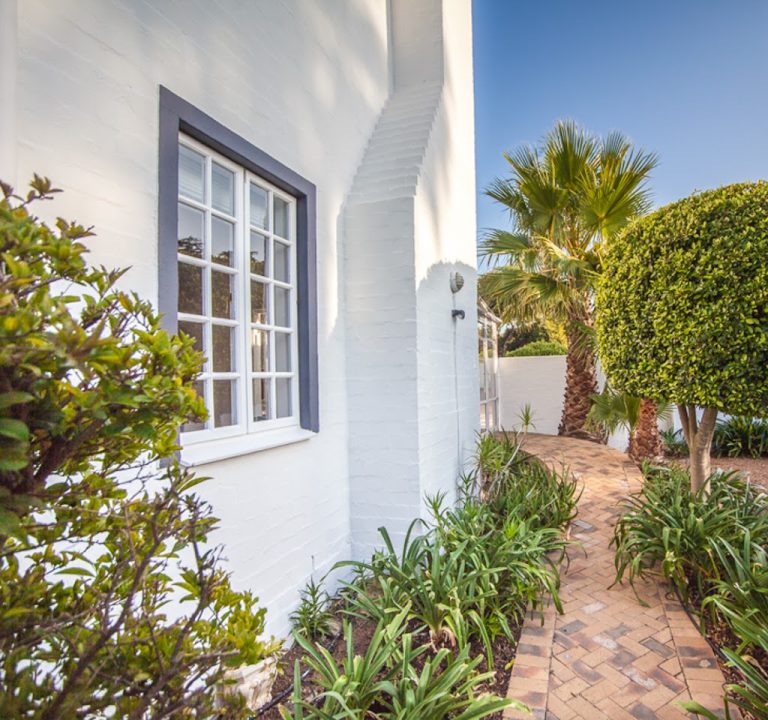
For a taste of Cape Town’s warm hospitality, consider staying at a guest house or boutique hotel rather than a large chain. These properties often showcase local design, personalised service, and insights into the neighbourhood. A well-chosen option can act as a home base for daily exploration, with breakfast plans, late check-in arrangements, and helpful tips on local routes and safety considerations. One familiar example in the guest-house category is the Three Ways Guest House, which typifies the kind of intimate, comfortably appointed accommodation that pairs well with a relaxed, experience-led itinerary.
Transport is a practical consideration. The city offers a dependable bus network, ride-hailing services, and taxi options, but the best choice often depends on your plans. If you intend to roam across different districts or venture to scenic viewpoints, a car can offer flexibility, though parking notes should be confirmed in advance for central neighbourhoods. For day trips to the Cape Peninsula, a guided tour or organised excursion can be a stress-free way to see major highlights without worrying about traffic or parking. Always confirm access to parking or drop-off points with your accommodation before arrival.
Best time to visit Cape Town depends on your priorities. The summer months (December to February) bring long days and dry spells, ideal for beaches and outdoor activities, but can be busy with international visitors. Spring (September to November) offers pleasant weather, fewer crowds, and lush surrounding gardens and vineyards. Autumn (March to May) provides mild temperatures and quieter streets, while winter (June to August) is cooler and wetter, yet it can be the best period for wildlife experiences and enjoying cosy, fireside evenings in comfortable lodgings. If you plan to explore Table Mountain, make space in your schedule for early morning visits when the air is often clearest and queues are shorter.
Attractions and activities span natural wonders, cultural sites, and culinary experiences. Natural highlights include iconic viewpoints along the Atlantic coast, coastal walks, and nature reserves with routes suitable for a range of fitness levels. Cultural experiences often revolve around museums, galleries, and historic precincts where guided walks reveal Cape Town’s layered history. In terms of dining, the city showcases a spectrum from informal seaside cafés to stylish bistros and fine-dining venues that emphasise fresh, locally sourced ingredients. When selecting restaurants, look for spots that offer seasonal menus and sustainable practices, while remaining mindful of reservations during peak periods.
To help you plan a balanced itinerary, consider including a mix of mornings in outdoor settings, afternoons exploring museums or markets, and evenings in dining districts with a relaxed pace. A sample day might begin with a scenic coastal walk or a Table Mountain cable car excursion, followed by a late lunch at a coastal bistro, and an evening stroll through a lively neighbourhood with boutique shops or a casual wine bar. For families or groups, book accommodation with flexible dining arrangements or easy access to nearby parks and open spaces.
Practical tips for a smooth stay:
- Book accommodation with clear cancellation policies and a straightforward check-in process.
- Confirm access to reliable Wi-Fi, secure parking, and nearby transport options.
- Pack layers: Cape Town’s coastal climate can be cool in the mornings and evenings, even in warmer months.
- Plan your day around peak traffic times if driving, and consider using ride-hailing services for convenience and safety.
- Try to arrange a few needs-based activities (glossaries of local foods, wine tastings, or markets) with your stay to enrich the experience.
Whether you favour the warmth of a guest house, the modern conveniences of a boutique hotel, or the relaxed vibe of a lodge near the city, Cape Town offers a preparation-friendly landscape that can tailor a stay to individual interests. With thoughtful planning around where you stay, how you get around, and which attractions you prioritise, your Cape Town visit can be as balanced and memorable as the landscape itself. For further inspiration and practical pointers, explore properties and itineraries that emphasise accessibility, local culture, and responsible tourism.