Exploring Cape Town: Accommodation, Local Experiences and Practical Planning
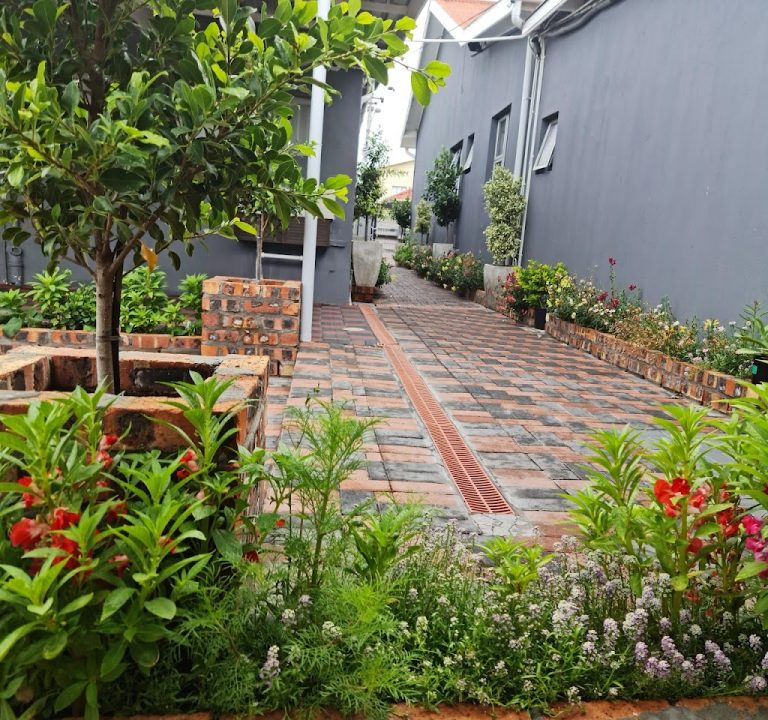
Cape Town is a city of contrasts, where ocean vistas meet vibrant neighbourhoods, mountain scenery frames the skyline, and a strong food and culture scene feeds the curiosity of travellers. When planning a stay, think about what you want to get out of the visit: historic sites, dramatic scenery, beaches, and a foodie or artsy atmosphere are all within easy reach from well-connected lodging across the city and its suburbs. A stay can range from a stylish guest house to a bungalow with sea views, or a boutique hotel that anchors a neighbourhood. For visitors seeking character and intimacy, guest houses such as Proleefic House on Florence offer a base that blends personal service with a homely ambience.
Areas to consider include the following, each offering a distinct flavour and easy access to sights and amenities:
- City Bowl and central Cape Town: Close to museums, theatres, historic sites and a mix of cafes, eateries and nightlife. Good for walking access to the V&A Waterfront, Company’s Garden, and Parliament.
- Atlantic Seaboard (Sea Point, Bantry Bay, Camps Bay): Known for dramatic coastal views, sandy stretches and lively promenade areas. Ideal for guests who want beach access and a more resort-like feel with a cosmopolitan edge.
- Green Point and De Waterkant: Convenient for the stadium, Cape Town’s busier urban heart, and a rich selection of restaurants and markets.
- Constantia Valley and southern suburbs: A quieter, more residential backdrop with vineyards, leafy streets and easy day trips to the southern suburbs and coastal routes.
When booking, look for a few practical features that can make a big difference to your experience. The following are common considerations to weigh up:
- Privacy and comfort: Check room layouts, en-suite facilities, and sound attenuation, especially if rooms overlook busy streets or shared lounges.
- Locational convenience: Proximity to MyCiTi routes or Uber access, and the ease of reaching major sights by public transport or organised tours.
- Amenities and services: Free Wi‑Fi, secure parking, breakfast options, self-catering facilities, and access to kitchens or common lounges can influence daily rhythms.
- House rules and flexibility: Look for transparent policies on check‑in times, luggage storage, late departures, and cancellation terms.
- Character and style: A guest house with warm interiors, tailored guest information, and curated recommendations often enhances a stay more than bare basics.
Typical facilities you may encounter include air conditioning or heating, reliable wifi, well-equipped bathrooms, comfortable beds, and spaces to unwind after a day of exploring. Many properties in Cape Town offer breakfast in the morning and some provide curated ideas for day trips or self-guided walks. For guests staying at smaller guest houses or boutique lodgings, a personal touch—such as a host offering local tips, maps, or restaurant recommendations—can be particularly valuable when you are navigating a new city.
Transport and getting around are practical planning concerns. Cape Town’s geography means a mix of up-and-coming public transport options and private alternatives. If you plan to explore beyond the city centre, renting a car provides maximum flexibility, especially for coastal drives or longer day trips to the Cape Winelands or the Cape Point region. For those who prefer not to drive, reliable rideshare services and well-served routes connect most major sights. When choosing a base, consider proximity to a tram or bus route and the availability of easy return journeys after dinners or evening activities.
Best time to visit Cape Town depends on what you want from the stay. The summer months (roughly November to February) are often sun-drenched and ideal for outdoor activities along the coastline, though peak tourist periods can bring busier streets and higher rates. Autumn (March to May) and spring (September to November) offer milder weather and quieter experiences in many areas. Winter (June to August) tends to be cooler and can be a good time for travellers who prioritise lower room rates and fewer crowds, while still enjoying excellent regional cuisine and indoor cultural events.
When planning itineraries, include a mix of natural scenery, historic sites, and culinary experiences. World-renowned viewpoints, seaside strolls, and dramatic coastal drives make the region memorable. In terms of dining, Cape Town is known for its diverse culinary scene, with many eateries offering modern interpretations of South African favourites and international cuisines. Rather than focusing on specific outlets here, you can look for restaurants with locally sourced ingredients, seasonal menus, and inviting atmospheres that suit your plans, whether you want a relaxed brunch or a festive dinner.
Practical tips to keep in mind:
- Book in advance for peak seasons, and read recent guest reviews to gauge how current conditions align with your expectations.
- Request a room with good natural light if you enjoy morning sun or sea glimpses from your windows.
- Ask hosts for tailored tips on safe neighbourhood routes for evening strolls and the best viewpoints near your base.
- Pack a light layer for cooler evenings near the coast and a daypack for excursions to the peninsula or winelands.
- Check whether your accommodation offers in-house parking or easy access to public transport, especially if you plan to explore multiple areas.
If you are considering a well-appointed stay with a homely touch, Proleefic House on Florence provides an example of guest house style that blends comfort with personalised service. For more details on this property, you can visit its official site at Proleefic House on Florence.
Cape Town rewards curious travellers with its mix of landscapes, cultures and flavours. By choosing the right neighbourhood, planning ahead for transport, and selecting accommodation that matches your pace, you can craft a well-balanced visit that captures the essence of the city and its surrounds.