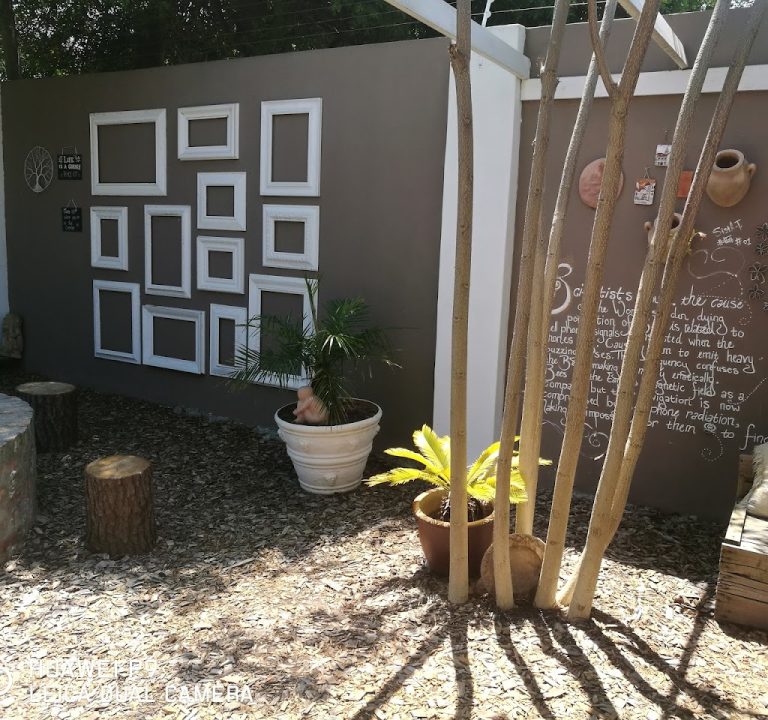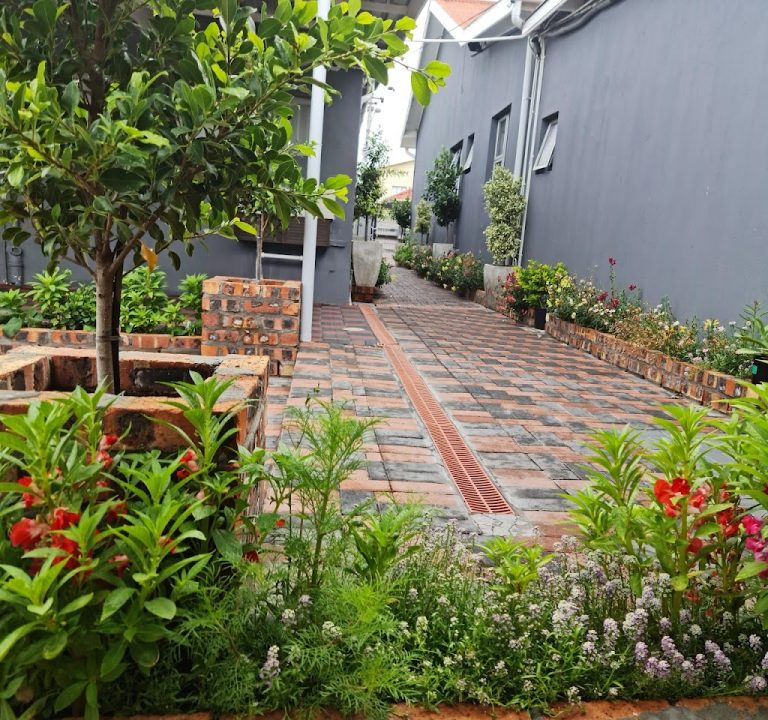
Hasate Guest House is a Guest house establishment in Cape Town, Western Cape, South Africa
Hasate Guest House — An Inviting Cape Town Stay with Local Flair
Hasate Guest House in Cape Town, Western Cape, South Africa, presents itself as a welcoming retreat within the city’s vibrant, diverse surroundings. While the official site page currently presents minimal explicit detail, the guest house is positioned to offer a comfortable base from which travellers can explore one of South Africa’s most iconic urban destinations. The property’s charm appears to lie in its connection to the neighbourhood and its role as a convenient stopover or longer-term stay for visitors seeking a relaxed atmosphere amid Cape Town’s energy and scenery.
In terms of accommodation, Hasate Guest House is described by the booking footprint as a guest house in the region, suggesting a stay that balances homely ambiance with the practicalities expected by modern travellers. Without resorting to speculation, readers can anticipate a stay that aligns with the common expectations of guest houses in Cape Town—an emphasis on personal service, a sense of place, and a quieter alternative to larger hotels, all within reach of the city’s top attractions.
On-site facilities and room configurations are not detailed on the current site entry. Prospective guests are encouraged to consult the main website for any updates on room types, bed arrangements, en-suite options, common areas, or dining offerings. Interest in a specific feature—such as private bathrooms, Wi‑Fi availability, or breakfast service—should be directed to the property’s official online channels via the provided website link. This approach helps ensure that travellers have the most accurate, up-to-date information when planning their visit.
Hasate Guest House’s setting in Cape Town positions it as a practical choice for travellers seeking accessibility to the city’s famed sights, vibrant neighbourhoods, and outdoor experiences. Cape Town’s coastal splendour, Table Mountain views, and an array of cultural and culinary attractions are among the draws that many guests incorporate into their itineraries. The guest house’s location, paired with a local-host ethos, can offer a quieter, more intimate experience in contrast to larger hospitality options, making it suitable for those who value a homely atmosphere alongside convenient access to city highlights.
For travellers who prioritise authentic, locally informed recommendations, Hasate Guest House occupies an appealing niche. An outside observer would expect guests to benefit from the surrounding area’s nuance—neighbourhood eateries, markets, and public transport access that allow for flexible exploration of Cape Town’s diverse offerings. While precise nearby attractions are not enumerated on the current page, Cape Town’s well-known mix of natural beauty and urban culture provides ample nearby possibilities for day trips and short excursions, whether those involve natural scenery, historic sites, or culinary experiences.
Booking and travel tips for Hasate Guest House align with broader guidance for visitors to Cape Town. When planning a stay, it is sensible to verify travel dates, compare seasonal pricing, and review cancellation terms through the official site or any linked booking portals. For those seeking a well-rounded Cape Town visit, pairing a stay at a guest house with a mix of guided tours, local markets, and scenic overlooks can yield a balanced itinerary that highlights the city’s strengths while allowing downtime in a comfortable setting.
The guest house’s online presence suggests a straightforward path for potential guests to learn more and secure a stay. Interested travellers can navigate to the official website for the most current information, including any updates on room configurations, facilities, or policies. The site link offers a convenient gateway to further details and confirmation of availability, subject to the guest house’s current offerings.
In summary, Hasate Guest House presents a charming option for travellers seeking a Cape Town base with a local-inflected atmosphere. Although exact details about rooms and amenities are not exhaustively listed on the current page, the property’s position within Cape Town’s rich landscape makes it a candidate for visitors who value a human-scale, neighbourhood-focused stay. For more precise information on what is available during a chosen travel window, prospective guests should consult the official site and any associated booking channels, and consider pairing the stay with a well-planned exploration of Cape Town’s natural beauty, culture, and gastronomy.
- Official website: Hasate Guest House
Cape Town
Western Cape
7530
South Africa


Discover Cape Town: Accommodation, Attractions and Planning Your Stay
Cape Town, with its dramatic mountains, sparkling harbour and world‑class shores, offers a wide range of places to stay and plenty of activities to suit every interest. From intimate guest houses and boutique hotels to larger lodges and self‑catering apartments, you’ll find options that suit different budgets and travel styles. When planning a visit, it helps to think about what you want to experience most—urban exploration, coastal scenery, wine country, or a mix of all three—and choose an area that reflects that balance.
One style of accommodation that travellers often favour is a guest house, which can provide a personal, home‑from‑home atmosphere and include breakfast or other amenities. An example to consider is Hasate Guest House, a guest house that aims to offer a welcoming base from which to explore the area. You can explore their site for practical details and booking options: https://hasate-guest-house.business.site/utm_sourcegmbutm_mediumreferral.
Areas to consider when booking include:
- City centre and the V&A Waterfront for easy proximity to museums, waterfront dining, shopping and nightlife.
- Green Point and Mouille Point for a mix of beaches, promenades, parks and access to the stadium and urban amenities.
- Constantiaberg and Table Mountain foothills for panoramic views and a quieter residential vibe close to nature.
- Camps Bay and Clifton for dramatic coastline, stylish dining and a more resort‑like atmosphere.
- Constantia Valley for wine estates, tranquil scenery and suburban guest houses or boutique lodges.
- Woodstock or Observatory for vibe, creative spaces and convenient public transport links.
When you’re choosing where to stay, the following considerations can help you pick well. Look for a comfortable bed with quality bedding, reliable heating or cooling, good insulation for both heat and cold, and a well‑equipped bathroom. A guest house or hotel that offers a strong breakfast service, a helpful front desk, and clear local information can make a big difference to your stay. If you’re driving, check whether parking is included or available nearby, and if you’re relying on public transport, confirm easy access to main routes, MyCiTi bus stops, or rail links.
Transport in Cape Town is straightforward but varies by area. The city has a comprehensive bus network and rideshare options, while some neighbourhoods are best explored on foot or by short taxi rides. For day trips to destinations such as the Cape Peninsula, Cape Point, or Constantia wine routes, you may want to arrange a guided tour or hire a car. In many busy areas, especially around the waterfront, walking is pleasant but keep an eye on sensible safety practices and personal belongings.
Typical amenities you may encounter include free Wi‑Fi, tea and coffee facilities, air‑conditioning or a ceiling fan, and private en‑suite bathrooms. Some properties include small treats, a communal lounge, or a garden area. If you value self‑catering options, look for rooms with a kitchen or kitchenette, or at least access to a shared kitchen. Accessibility and parking arrangements are worth confirming in advance, particularly if you are travelling with family or a rental vehicle.
Best time to visit Cape Town often depends on your preferred activities. The warmest months (roughly December to February) suit beach days and outdoor exploration, while spring (September to November) and autumn (March to May) are excellent for outdoor hiking and sightseeing with fewer crowds. Winter (June to August) is cooler and can bring wetter days, but it is still possible to enjoy city life, museums, theatres, and gastronomy experiences with stylish indoor choices. Always check local event calendars for markets, food fairs, and cultural happenings that may align with your stay.
When planning activities, consider a mix of experiences to capture the city’s contrasts: a morning hike up Table Mountain or Lion’s Head, a return via a cable car or scenic routes, a visit to historical neighbourhoods such as Bo‑Kaap, and an afternoon exploring the V&A Waterfront or a harbour cruise. For meals, Cape Town’s dining scene ranges from casual cafés to refined restaurants offering seafood, grilled meats, and modern South African flavours. Outside the city, day trips to the Cape Winelands or coastal towns provide additional variety and scenery without excessive travel times.
Practical tips for visitors include staying mindful of safety in certain urban areas, keeping valuables out of sight, and planning longer day trips in daylight. Bring a universal adaptor for electrical devices and be prepared for microclimates—you may need a light jacket even on a sunny day. Weather can change quickly along the coast and in the mountains, so layering is advisable. It’s also sensible to verify the latest travel advice and local guidelines before you travel, and to book accommodation with clear cancellation policies and responsive hosts or hoteliers.
In summary, Cape Town’s accommodation landscape provides a spectrum from charming guest houses to modern hotels, with a wealth of nearby attractions and dining options. By selecting an area aligned with your interests, confirming essential amenities, and planning transport for your chosen activities, you can craft a memorable and comfortable stay in one of Africa’s most acclaimed destinations.
Sorry, no records were found. Please adjust your search criteria and try again.
Sorry, unable to load the Maps API.
Why Claim Your Listing?
Claiming your listing on the B&B Finder directory website is a valuable opportunity for business owners. Here are five reasons why you should consider claiming your listings:
Control Over Business Information: By claiming their listing, business owners can ensure that all the information presented is accurate and up-to-date. This includes details such as contact information, address, pricing, and available services or amenities. Accurate information helps prevent customer confusion and improves overall satisfaction.
Enhance the Listing: Once a listing is claimed, owners can enhance it by adding more comprehensive information and rich media, like high-quality photos and videos. These additions can make the listing more attractive and engaging to potential customers, thereby increasing the likelihood of bookings.
Marketing Opportunities: Claiming a listing can also open up additional marketing opportunities. Owners may be able to participate in promotional campaigns, special offers, and other marketing activities organized by the directory. This can increase visibility and attract more customers to the business.