Cape Town: Stay, Eat and Explore the Western Cape
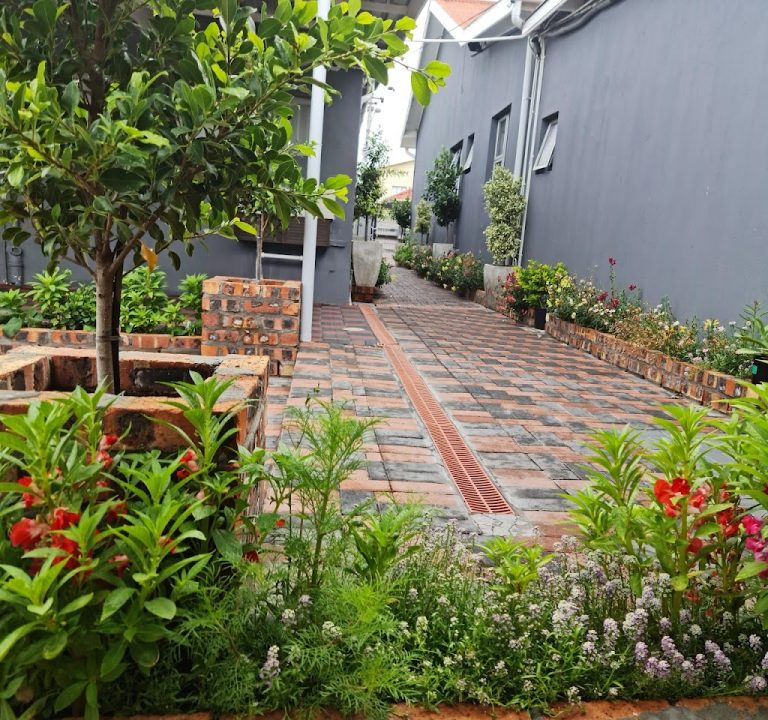
Cape Town blends natural beauty with a vibrant urban atmosphere, making it a compelling destination for travellers seeking both relaxation and adventure. When planning a stay, consider the neighbourhoods that shape your experience: the city’s historic heart and mountain backdrop of the City Bowl; the Atlantic Seaboard for dramatic coastline and sunset views; and the Constantia and Wine Route regions nearby for day trips to gardens, vineyards and scenic drives. A guest house such as Mabel guesthouse can offer a warm, locally run option that places you in the middle of both culture and convenient access to sights and eateries.
Accommodation options in Cape Town are diverse. Guest houses and B&Bs provide personal service and a sense of neighbourhood character, often with breakfast included and hosts on hand with insider tips. Boutique hotels offer a thoughtful blend of design, comfort and location, frequently with stylish common spaces and easy access to attractions. For those prioritising independence, self-catering units and modern apartments in mixed-use buildings can provide space to live like a local. When choosing a base, think about proximity to your planned activities, ease of getting around, and the level of convenience you desire, from on-site parking to reliable wi‑fi and breakfast facilities.
Typical amenities you may encounter include secure parking, daily housekeeping, comfortable beds with quality linen, coffee and tea facilities, in-room workspaces, and ensuite bathrooms. A memorable stay can be enhanced by features such as a welcoming guest lounge, a courtyard with loungers, a pool, or easy access to a garden. If you plan to cook, look for a well-equipped kitchenette or kitchen space. Pet-friendly options exist in some areas, but it is advisable to check policy details before booking. Be mindful of the stairs or lift access if mobility is a consideration, and verify the check-in process and late arrival arrangements in advance.
Transport is a practical part of planning. The MyCiTi bus network serves central routes and some coastal corridors, while Uber and other ride-hailing services provide flexible options for evening outings. If you intend to visit the Cape Peninsula, a car can be convenient for exploring places like Hout Bay, Chapmans Peak Drive and Cape Point at your own pace. For stays near the V&A Waterfront or the central city, walking access and short rides tend to be feasible, especially in good weather. If you intend day trips to wine estates or coastal towns, consider whether a guided tour or self-drive suits your itinerary and comfort level.
The best time to visit Cape Town depends on what you want from your trip. Spring and autumn offer mild weather, blooming gardens and quieter streets compared with peak summer crowds. Winter is cooler and can be breezy, yet often offers lower rates and a chance to enjoy indoor attractions, restaurants and markets without the peak-season bustle. Summers can be lively, with longer daylight hours and outdoor events, but plan ahead for popular beaches and viewpoints as they can fill up during peak periods. Coastal fogs, known locally as “the Cape Doctor” winds, can also influence daily plans, so it’s wise to have flexible activities on your agenda.
When planning your itinerary, mix iconic sights with more relaxed experiences. Iconic natural wonders and viewpoints are complemented by cultural attractions, markets, and neighbourhood dining. In central Cape Town, you’ll find grand architecture, museums and cafes within easy reach of your base. The coastal belt offers scenic walks, beaches and seafood restaurants with emphasis on fresh produce. For a flavour of the region beyond the city, day trips to nearby suburbs and wine estates reveal a different pace and landscape, with opportunities for guided nature walks or vineyard tours tailored to varied interests.
What to look for when booking:
- Location relative to planned activities and transport links
- Clear listing of included meals or self-catering facilities
- Commitment to cleanliness and well-maintained facilities
- Secure parking or easy access to public transport
- Flexible check-in/out times and transparent cancellation policies
To help you plan, consider a balanced mix of stays and experiences. Begin with a couple of days in a well-situated guest house in the heart of the city to explore landmarks, markets and dining scenes on foot or via short transit. Then allocate time for a coastal Reserve walk, a Table Mountain cable car ride (weather permitting) and a day spent exploring one of the nearby wine estates or botanical gardens. For dining, Cape Town offers a broad spectrum—from casual seaside eateries to refined restaurants with emphasis on seasonal ingredients—so you can enjoy a variety of cuisines without long drives.
Practical tips for a smoother visit: book ahead during peak travel periods and weekends, especially in areas close to major sights. Pack layers for rapidly changing weather along the coast and during table-top excursions. Bring a compact bag for day trips, a recyclable water bottle, and comfortable walking shoes. If travelling with a camera or electronics, ensure you have safe storage and plan for power outages in certain areas, particularly during seasonal weather variations. Keep a flexible mindset to accommodate weather, traffic, and local events that influence schedules.
For inspiration and practical planning, you can explore official visitor information resources and reputable travel guides online. Your chosen accommodation may also provide personalised guidance on neighbourhood highlights and day trips. Cape Town’s appeal lies in its diversity: mountain, sea, culture and cuisine weave together to create a memorable stay. Whether you linger in a cosy guest house such as Mabel guesthouse or venture further along the Atlantic Seaboard, you’ll find hospitality and experiences that make your visit uniquely yours. For more ideas and practical planning, see Cape Town’s official tourism site at https://www.capetown.travel.