Cape Town: Where to stay, what to do and how to plan your visit
Few destinations rival Cape Town for its dramatic setting, easy access to nature and a vibrant street life. The city is best experienced with a balanced plan that chimes with the diverse neighbourhoods and the surrounding countryside. When choosing accommodation, consider proximity to the sights you most want to explore, as well as reliable transport links to help you move around without hassle. Cape Town offers everything from cosy guest houses and boutique hotels to self-catering apartments and guest-friendly lodges, each with its own character and convenient access to coastal scenery, markets, and dining.
Areas to consider when planning a stay
City Centre and the City Bowl provide easy access to the V&A Waterfront, museums and historic architecture, with a cosmopolitan dining scene and plenty of cafés. The Atlantic Seaboard, including areas such as Sea Point, Camps Bay and Bantry Bay, is ideal for seaside walks, sunset views and a more relaxed pace. Constantia offers leafy splendour, wine estates and easy access to the southern suburbs and Table Mountain. Bo-Kaap adds colour and culture to your itinerary, while Green Point and De Waterkant balance city life with waterfront parks and a lively nightlife. If you prefer a rural escape, Constantia and neighbouring neighbourhoods provide tranquil retreats within striking distance of beaches and hiking trails. When selecting accommodation, weigh the distance to your planned activities against the comfort of the property and the availability of secure parking or easy transport links.
What to look for when booking
- Location relative to your must-see sights and the ease of getting around, especially during peak traffic times.
- Verified reviews and hosts with clear booking policies. Look for hosts who provide detailed guidance on local transit, safety and practical tips for first-time visitors.
- Comfort essentials such as reliable Wi‑Fi, a good shower, climate control, and secure parking if you are driving.
- Self-catering facilities if you prefer to prepare meals, as well as breakfast options if you enjoy a leisurely start to the day.
- Safety features, including well-lit streets, secure access, and a reputable neighbourhood profile.
Typical amenities you may encounter
Many guest houses and boutique hotels in Cape Town offer a warm, personalised touch, with hosts who can share local insights and customised itineraries. Common amenities include breakfast service, private or shared dining spaces, guest lounges, free Wi‑Fi, and sometimes outdoor areas with seating and views. Some properties provide secure on-site parking, which is particularly valuable if you plan to rent a car or explore by day trips to the Cape Peninsula or Winelands. If you prefer the ease of public transport, choose options close to bus stops or rail stations, and check whether Uber or other ride-hailing services operate reliably in your area during your stay.
Transport and getting around
Table Mountain dominates the skyline, and many sights are spread across the city and surrounding regions. The MyCiTi bus network covers central routes and the Atlantic Seaboard, offering a straightforward way to reach the V&A Waterfront, Green Point and other hubs. For scenic routes and access to beaches or wine estates, a rental car can be convenient, with ample driving routes along the Atlantic coast and into the Constantia Valley. Alternatively, organised tours can be a stress-free way to see the Peninsula, the penguin colony at Boulders Beach and the Cape Point reserve. Plan your day so you can catch sunset from a viewpoint or a clifftop path—the city is magnificent as daylight fades and the lights come up along the harbour and Sea Point promenade.
Best time to visit and practical planning tips
Cape Town experiences its peak in the austral summer months, roughly November to March, when daylight stretches and outdoor activities flourish. Shoulder seasons—April to May and September to November—often offer milder weather, fewer crowds and more affordable accommodation. Pack layers, as coastal winds can be cool even on sunny days, and bring a light waterproof layer for outdoor outings along the coast or on Table Mountain. If you plan to visit Robben Island or take a guided hike up Table Mountain, check availability and book in advance, especially in peak periods. Consider a mix of sheltered indoor experiences—maddy museums, markets or a cooking class—and outdoor adventures, from coastal walks to nature reserves, to balance energy levels throughout your stay.
Recommended experiences and dining ambience (general terms)
In addition to iconic scenery, Cape Town offers markets, harbour walks, sandy beaches and a thriving dining scene that emphasises fresh seafood, farm-to-table produce and multi-ethnic flavours. Look for restaurants and eateries that highlight local ingredients in seasonal menus, and seek out places that prioritise relaxed hospitality and clear information about dishes, dietary options and wine pairings. For a well-rounded visit, plan a day that combines a coastal stroll with a restaurant stop or a casual coffee break in a sunlit courtyard. If you enjoy wine tasting, consider tastings in the nearby Constantia or Stellenbosch regions, which can be accessed via guided tours or day trips from your accommodation base.
Practical tips for a comfortable stay
- Confirm access times and any guesthouse rules before arrival to avoid delays.
- If you arrive by air, allow time for baggage collection and potential luggage transfers to your accommodation.
- Keep a simple daily plan with a couple of core aims—one cultural or historical site and one outdoor activity—to maximise the experience without becoming rushed.
- Respect local customs and environmental guidelines when visiting natural spaces and residential areas.
- Have a backup option for dining or activities in case of weather changes or closures.
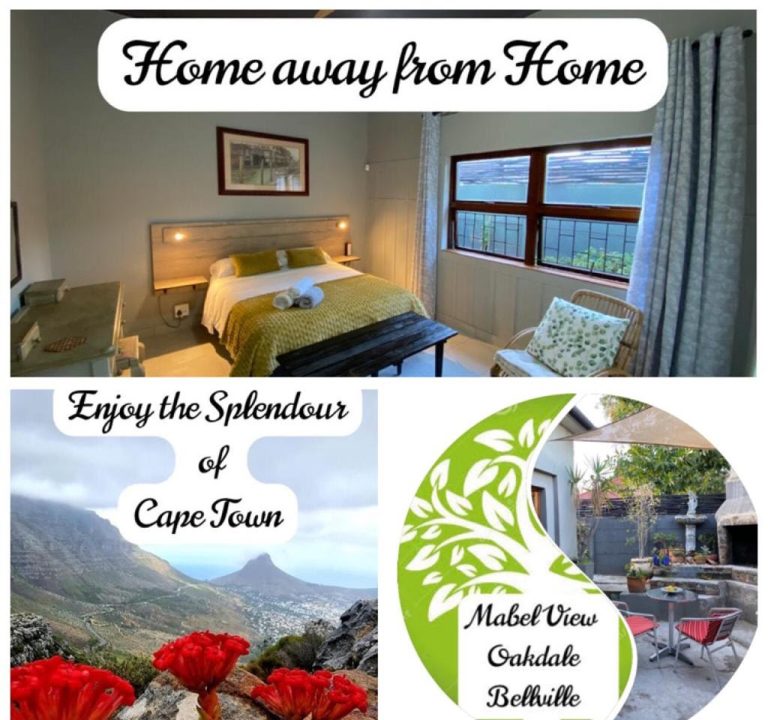
JOY’S RENTALS, a guest house option in the region, can offer a homely base with thoughtful touches and practical guidance to help guests feel at home while exploring Cape Town’s landscapes, markets and coastline. With careful planning around neighbourhoods, transport options and your preferred pace, a stay in Cape Town can combine memorable city moments with the natural grandeur of the surrounding cape and cliffs.