Planning a Stay in Cape Town: Where to Stay and What to Do
Cape Town offers a rich mix of self-catering stays, boutique guesthouses, and sturdy lodges that can suit every travel style. When choosing accommodation, consider the neighbourhood as much as the property itself. The city centre and its surrounding suburbs provide easy access to urban dining and cultural sites, while the Atlantic Seaboard and Camps Bay offer scenic coastal living and sunset views. For a quieter retreat with easy access to nature, Constantia and the nearby wine routes are ideal. If you’re travelling with family or a larger group, look for properties with separate bedrooms, a well-equipped kitchen, reliable Wi‑Fi, and private outside space.
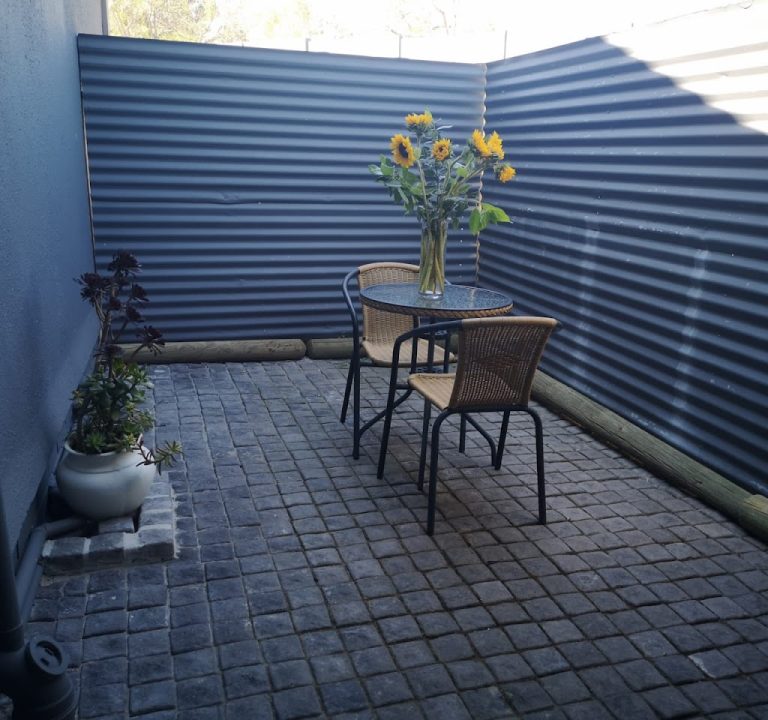
Self-catering options like 21 on Wellington are popular for travellers who want flexibility, privacy and the chance to enjoy home-cooked meals or simple dining at local cafés. In general, self-catering stays benefit from clear space planning, a well-equipped kitchen (including a stove, oven, fridge, and pantry basics), laundry facilities, parking, and secure access. Read recent guest reviews to gauge the consistency of cleanliness, comfort, and host responsiveness. Some properties include additional touches such as pool access, outdoor seating, or a dedicated workspace, which can be valuable for longer stays.
Areas to consider include the following:
- City Bowl and the CBD: Central, vibrant, with museums, markets, and a concentration of restaurants. Easy access to hop-on transport lines and city walking routes.
- V&A Waterfront and Green Point: A lively waterfront atmosphere with sea views, contemporary dining, and convenient transport links.
- Atlantic Seaboard (Sea Point, Bantry Bay, Clifton, Camps Bay): Beachside living, longer daylight hours, and a relaxed, stylish vibe. Great for sunset strolls and scenic coastal walks.
- Constantia and the Constantia Valley: A leafy, wine-friendly area with spacious properties and hillside views; ideal for longer stays or travellers seeking a peaceful retreat.
- Southern Suburbs and the Cape Flats edge: Quieter neighbourhoods with easy access to the Constantia wine route, nature reserves, and more affordable stays.
When booking, look for practical amenities: a comfortable bed with quality bedding, a fully equipped kitchen, reliable Wi‑Fi, good heating or cooling, and secure parking if you are driving. A strong hot water supply is essential in Cape Town’s varied climates, and a private outdoor area—or access to a communal terrace—can really enhance a stay. Check cancellation policies carefully, especially for peak travel periods, and confirm what is included in the price (utilities, cleaning, and linen changes). If a host offers housekeeping, clarify the frequency and any additional charges.
Transport is straightforward but planning ahead helps. In the city, the MyCiTi bus network is a practical option for reaching major sights from central accommodations. Rideshare apps are widely available, and many properties offer on-site parking. If you’re exploring beyond the immediate city, consider renting a car to visit coastal towns, wine farms, or the scenic Atlantic coast. For short visits, guided tours or day trips organised from central hubs can simplify logistics and help you discover hidden viewpoints and local eateries.
The best time to visit Cape Town depends on what you want from the trip. Summer (November to March) brings warm days, sea swims, and bustling outdoor markets, though it can be busy and pricier. Autumn (April to May) and spring (September to October) offer milder weather, occasional rain, and fewer crowds. Winter (June to August) is cooler and quieter, with occasional rain, but still pleasant for city wandering, museums, and indoor culinary experiences. If you’re drawn to wine tasting, late spring or autumn can be ideal for comfortable vineyard visits with fewer queues.
Areas of interest and experiences tend to cluster around iconic landscapes and cultural havens. Expect breathtaking coastal viewpoints, world-class dining scenes ranging from casual Cape Malay hubs to contemporary fine dining, and galleries that showcase both established and emerging local artists. While I won’t name specific attractions, you can anticipate expansive mountain routes, accessible nature reserves, marina-adjacent promenades, and scenic coastal drives. The city’s diverse dining scene ranges from hearty bistro fare to modern fusion, with plenty of options to suit families, couples, and solo travellers alike. When planning, allot time for a cable car or hiking route up Table Mountain, a visit to nearby nature reserves, and a relaxed afternoon by the water with a casual meal or coffee.
Practical tips for a smooth stay:
- Book ahead if you’re visiting during school holidays or major events, and read guest reviews for real-world insights into comfort and practicality.
- Pack layers. Cape Town’s climate can change quickly, especially near the coast or at higher elevations.
- Bring a universal adaptor and check electricity reliability at your chosen property.
- Use reputable transport options, and consider a local SIM card for easier mobile data and maps.
- Respect local safety guidance, especially when exploring nightlife districts or secluded areas after dark.
For inspiration and a convenient base, consider staying at 21 on Wellington, a self-catering option that combines the comforts of home with easy access to Cape Town’s highlights. Learn more about the property at its website: https://21-on-wellington.business.site/?utm_source=gmb&utm_medium=referral