Exploring Cape Town: Where to stay, what to see, and practical tips for a comfortable visit
Cape Town offers a dazzling mix of accommodation styles, from chic city-centre apartments and boutique guesthouses to expansive villas with ocean views and self-catering stays that suit families or groups. When planning a trip to the Western Cape, it helps to map out the neighbourhoods that align with your interests, your transport needs, and the pace you want for your stay. Whether you’re seeking a lively urban base, a scenic retreat, or a peaceful escape in the surrounding winelands, Cape Town’s tapestry of options makes it possible to tailor your itinerary without compromising on comfort.
Areas to consider
City Bowl and the Central Business District offer proximity to museums, theatres, restaurants, and a buzzing nightlife. If you want iconic views within easy reach of the city, look for accommodation in Green Point, the V&A Waterfront, or the Atlantic Seaboard. These areas are popular with visitors for convenient access to beaches, waterfront promenades, and a broad choice of eateries. For a quieter, more residential setting, Constantia and the Southern Suburbs provide leafy streets, wine estates, and larger self-catering properties, often with parking and kitchen facilities. Families and longer stays frequently favour the Atlantic Seaboard or Constantia because many self-catering apartments and guesthouses come with full kitchens and generous living spaces. If you’re drawn to a creative vibe, Woodstock and Observatory are known for characterful lodgings, local cafés and easy transit links to the city centre.
What to look for when booking
Begin with practicalities: space and layout to suit your group size, kitchen facilities if you prefer self-catering, and clear information about parking and security. For longer stays, a well-equipped kitchen, a dedicated living area, and laundry facilities can make a big difference to comfort. Check the bedroom configuration, including whether there are en-suite bathrooms, ample storage, and natural light. If you’re visiting in peak season or over weekends, confirm minimum-stay requirements and whether a host or manager is available for local recommendations and support.
Safety and convenience are essential. Look for properties with secure entry, a reliable gate or alarm system, well-lit exteriors, and clear walking routes to nearby cafés or supermarkets. For guests relying on public transport, note the proximity to MyCiTi bus stops or commuter rail links, but be prepared for occasional hills in certain neighbourhoods. In terms of amenities, many Cape Town stays offer Wi-Fi, parking, and everyday essentials; higher-end options may add features such as air conditioning, dedicated workspaces, outdoor spaces, or shared pools. If you’re visiting with children or older travellers, confirm the ease of access, the presence of elevators, and the suitability of common areas for groups. Acknowledge that some self-catering properties emphasise a kitchen, while boutique guesthouses may prioritise personalised service and a more social atmosphere.
Transport, getting around, and planning your days
Cape Town has a growing public transport network, with the MyCiTi bus system offering routes across the city and along the coast. Taxis and ride-hailing apps are widely available, though peak periods can bring delays. If you’re flying in, you’ll land at Cape Town International Airport and can reach central areas by car, airport shuttle, or ride-hailing service. For day trips to the Cape Peninsula, Cape Point, or wine estates in Constantia and Stellenbosch, consider hiring a car or joining organised tours for convenience. Within the city, many attractions are spread out, so choosing a central base can reduce daily transit time and help you maximise your stay. If you prefer a calmer pace, base yourself in a spot with easy access to parks and beaches and plan a few longer outings on less busy days.
Best time to visit and practical tips
Cape Town enjoys a Mediterranean climate with mild, wet winters and warm, dry summers. The summer months (roughly November to March) bring lively outdoor events, beach days, and vibrant street life, but they can also be busy and pricier. Spring (September and October) and autumn (April and May) offer pleasant weather, fewer crowds, and comfortable conditions for outdoor activities such as hikes up Table Mountain or coastal walks. Winter (June to August) is cooler and can be misty, yet this is a great season to sample indoor attractions, markets, and the city’s renowned culinary scene. Pack layers to accommodate shifting temperatures and the wind near the coast, as well as comfortable footwear for walking and exploring hilly terrain.
Practicalities to bear in mind:
- Book well in advance for peak periods, especially if you require specific amenities or travel with family or a group.
- Check cancellation policies and whether there is a contingency plan for weather-related changes or transport delays.
- Evaluate the proximity of your accommodation to your planned activities, and whether you’ll need a car or are comfortable using public transport and rideshares.
- Consider combining a city stay with a day trip to the wider Cape Town region, including the Cape Peninsula, Table Mountain National Park, Kirstenbosch Gardens, or nearby wine routes.
Attractions and dining in general terms
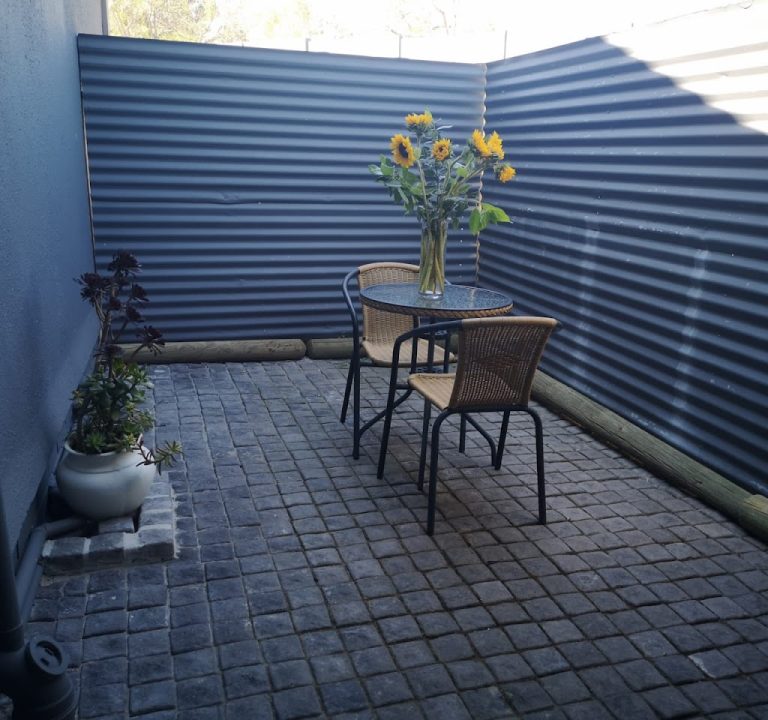
Cape Town offers a wealth of experiences in its iconic landscape. In the city, you’ll find viewpoints, historic sites, markets, and diverse dining options that range from casual eateries to refined restaurants. Beyond the urban core, world-class natural scenery awaits: dramatic coastal roads, nature reserves, and access to the surrounding winelands and coastal reserves. When planning meals, seek a balance between mornings at local cafés, midday markets, and evening meals at places that highlight South Africa’s multicultural culinary influences. For visitors seeking a memorable stay, a well-chosen self-catering base—such as Afbit Self Catering apartments or similar properties—can offer the flexibility to cook a quiet meal after a busy day, while keeping you close to Cape Town’s main sights and neighbourhoods.
Useful tip: make a flexible, ideas-led plan. Prioritise a handful of must-see experiences (for example, a cable-car or guided hike up a peak, a visit to a historic site, or a stroll through a garden) and leave space for spontaneous discoveries. Cape Town’s charms lie as much in its landscapes and local hospitality as in its attractions, so a well-situated, comfortable base is the best starting point for a memorable visit.