Frame – Ace Guest House is a Self-catering accommodation establishment in Cape Town, Western Cape, South Africa
Frame Ace – Ace Guest House, Cape Town: An Artful, Home-from-Home Stay in Bellville
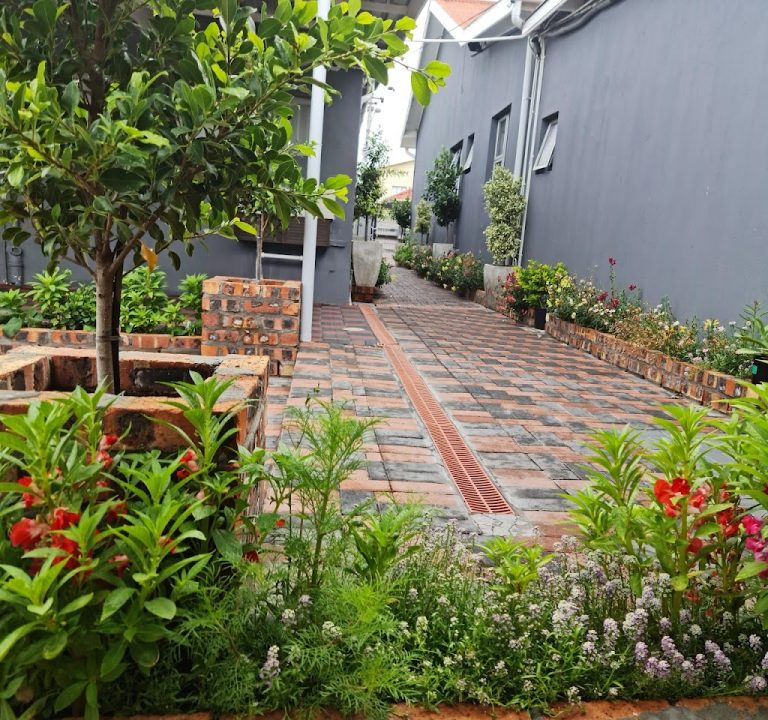
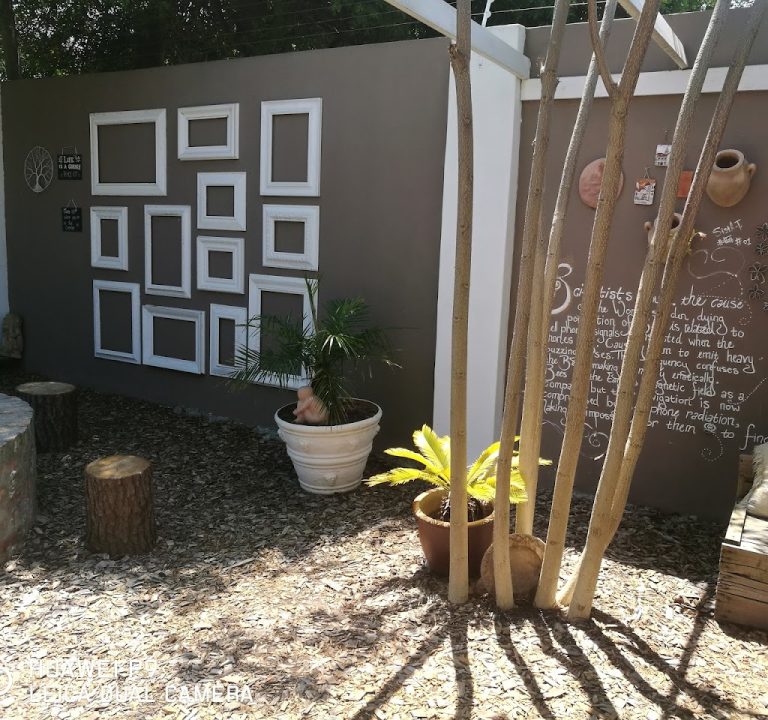
Situated in the Bellville area of Cape Town, Frame Ace – Ace Guest House presents a practical, self-catering and overnight accommodation option that blends comfortable private rooms with a tranquil, arts‑infused setting. The property forms part of the broader “Home Is Where the Art Is” complex, which includes Frame Ace Art and Décor, a picture framing and arts and crafts gallery set within a peaceful garden. This creates a distinctive ambience where guests can enjoy a quiet stay alongside easy access to creative spaces and a welcoming, garden‑like environment.
Accommodations are offered in furnished self-catering rooms that reside in the main house, each with its own separate entrance for privacy and convenience. Every room is equipped with an en suite bathroom and the essential amenities needed for a comfortable stay. Guests can expect practical touches such as wifi access and tea- and coffee-making facilities, ensuring both convenience and homeliness upon arrival.
Shared facilities at Frame Ace support a social yet relaxed atmosphere. A communal kitchen is available for self‑catering, accompanied by a dining room where meals can be enjoyed in a convivial setting. A lounge area equipped with DSTV offers a comfortable space for unwinding, while a dedicated library with a fireplace provides a cosy spot for quiet reading or afternoon reflection. Outdoor living is encouraged with braai facilities, enabling guests to make the most of mild Cape Town evenings in a relaxed, informal setting.
Security and convenience are addressed with secure off‑street parking, providing peace of mind for travellers who rely on a car to explore the region. The property’s layout means that guests enjoy the privacy of individual rooms while still benefiting from access to shared amenities and the wider artistic and community atmosphere of the site.
Location plays a key role in Frame Ace’s appeal. The guest house is within a short drive of Cape Town International Airport (approximate 10 km distance) and around 18 km from Cape Town’s city centre, making it a practical choice for travellers with connections or those seeking a tranquil base from which to enjoy the Western Cape. The property is well-placed for wine lovers, being close to the Durbanville Wine Route (about 8 km) and the Stellenbosch Wine Route (roughly 15 km). Shopping and everyday conveniences are readily accessible, with nearby centres such as Tygervalley, Cape Gate, and Canal Walk providing a broad range of retail and dining options. Several hospitals lie within convenient reach, including Louis Leipoldt, Durbanville, Cape Gate, and Panorama Medi Clinics, while major educational institutions are nearby as well—Stellenbosch University Business & Medical Campus, the University of Western Cape, and the Cape Peninsula University of Technology offer a strong academic footprint close to the area.
From a guest‑experience perspective, the property’s integration with an arts and décor presence adds a cultural dimension that complements the practical nature of self‑catering accommodation. The gallery and garden create a serene backdrop that can appeal to travellers who appreciate a little local character and a peaceful retreat after busy days exploring the region. The overall atmosphere is one of understated comfort, with a focus on private, well‑equipped rooms aligned to the needs of both short breaks and longer stays.
Who might benefit most from Frame Ace?
- Travellers seeking a practical, self‑catering base with individual, private rooms and en suites.
- Visitors attending business or academic engagements in the Western Cape area, given the proximity to major education campuses and offices.
- Guests drawn to a quiet, artistically inspired setting that pairs a comfortable room with access to lounge, library, and communal spaces.
- Small groups or families looking for a home‑like environment with shared facilities and outdoor cooking options.
Booking and travel tips for potential guests include noting the straightforward access by road, with a simple approach to Canterbury Street in Oakdale, Bellville. The property’s self‑catering model suits those who prefer the flexibility of preparing meals on site while still enjoying nearby Cape Town attractions and the rural charm of the surrounding Western Cape corridors. For travellers planning to visit the area’s wine routes, universities, or shopping hubs, Frame Ace offers a convenient, well‑located option that combines practicalities with a gentle, art‑loving ambience.
For those seeking further information or planning a stay, the site provides comprehensive details about the accommodation style, amenities, and how the establishment sits within the wider artistic community. While exact pricing and room types are not detailed in this overview, the emphasis remains on a straightforward, comfortable stay with practical facilities and a welcoming, culturally enriched setting. Guests are encouraged to explore the Frame Ace site for updates on availability and to connect with the property through its online presence.
Cape Town
Western Cape
7530
South Africa


Accommodation and Getting the Most from a Cape Town Stay
Cape Town, perched between the Atlantic Ocean and the iconic Table Mountain, offers a diverse range of places to stay. From stylish B&Bs in leafy suburbs to self-catering apartments near the city’s grand beaches, visitors can tailor their accommodation to fit both budget and travel style. When planning a visit, consider which neighbourhood will best position you for your plans, ease of transport, and the atmosphere you want to enjoy after a day of exploring.
Self-catering options are a popular choice for travellers seeking flexibility and a homely feel. A well-situated self-catering option can provide separate private entrances, en suite facilities, a communal kitchen, and spaces to relax with a book by a fireplace or on a sheltered verandah. Access to wifi, tea- and coffee-making facilities, and parking can make a big difference to comfort, especially for longer stays or families. In Cape Town, such properties are often part of a larger establishment or community, offering a sense of security and convenient amenities for travellers who value independence.
Key areas to consider when selecting where to stay include the following:
- City Centre and the V&A Waterfront for easy access to museums, business hubs, and a wide range of dining and entertainment options.
- Observatory and Tamboerskloof for a vibrant, bohemian vibe with proximity to cafés and bars.
- Green Point and Sea Point for coastal walks, promenade scenery, and quick access to beaches.
- Bellville, Durbanville, and nearby northern suburbs often offer good value and straightforward road connections to the wine regions and the airport.
- Constantia and the southern suburbs for a more tranquil, upscale atmosphere, closer to green hills and historic villas.
When booking, look for clearly stated details about the room type, entrance arrangements, and whether the price includes utilities and housekeeping. Check the cancellation policy and whether the property operates as a guesthouse, a self-catering unit, or a hybrid. A well-described property will provide photos, a floor plan or layout, and a list of included amenities such as air conditioning, heating, secure parking, and access to common spaces. If you plan to cook, ensure that the kitchen facilities match your needs in terms of appliances, cookware, and storage space.
Typical amenities that travellers value include reliable Wi‑Fi, DSTV or other satellite TV options, comfortable bedding, and a quiet workspace if you need to catch up on emails. A garden or outdoor seating area, a braai (barbecue) facility, and a dedicated communal lounge can greatly enhance the stay, offering social spaces and a sense of community after days spent sightseeing. Consider whether a host or on-site manager is available to share tips about local eateries, markets, and transit routes.
Transport in Cape Town is varied. The city is well-served by a network of MyCiTi buses in many areas, and at the right location a short ride can bring you to the city centre or popular beaches. If you plan to visit the Winelands or outlying coastal towns, a car is convenient, though guided day trips and hop-on tours can also be excellent choices. For those staying near major shopping centres or business districts, accessible parking and proximity to major routes can save time, especially during peak traffic periods.
The best time to visit Cape Town depends on your priorities. Summer (December to February) offers warm days ideal for beaches and outdoor activities, while spring (September to November) and autumn (March to May) bring mild weather and fewer crowds. Winter (June to August) can be cooler and windier, but still offers striking scenery and indoor experiences, including museums, galleries, and indoor markets. The Cape’s climate also brings a dazzling array of flowers in spring, and ocean conditions suitable for certain water sports in summer. Always check local forecasts and plan for windy days along the beachfront and Table Mountain’s microclimates.
In terms of experiences, Cape Town is a gateway to a broad spectrum of activities. Iconic landscapes and viewpoints are complemented by coastal walks, harbour cruises, and markets offering crafts, fresh produce, and street food. If you’re staying in a self-catering set-up, you can balance days of exploring with relaxing evenings in a comfortable base, cooking a simple meal or enjoying a takeaway from nearby eateries. In addition to natural wonders, expect a culture-scene that includes art spaces, design studios, and boutique shops.
Practical tips to help you plan:
- Book accommodations with flexible cancellation policies when possible, especially if travel plans may change.
- Confirm access to public transport or parking, and check walking distances to places you intend to visit.
- Read guest reviews to understand noise levels, neighbourhood character, and how responsive hosts are to requests.
- Discover local dining options near your stay; Cape Town’s diverse restaurant scene ranges from casual cafés to more refined dining rooms.
- Consider a mix of days in the city and day trips to the Winelands or nearby coastal towns to see a broader range of experiences.
For travellers seeking a self-contained option with easy access to the region’s amenities, Frame Ace Business and Holiday Accommodation represents a practical example of a furnished self-catering setup. Located in Bellville, it offers individual guest rooms with en suites, shared cooking and living spaces, and a garden setting. More information can be found on the property’s website, including how to reach the area and general guidance for guests. This kind of accommodation can provide a comfortable home base while you explore Cape Town and the Western Cape, with straightforward access to the city centre, transport routes, and regional attractions.
Ultimately, a well-planned stay in Cape Town blends comfortable accommodation with thoughtful travel pacing. By choosing the right neighbourhood, understanding what to expect from your lodging, and balancing sightseeing with downtime, you can enjoy a memorable visit to one of South Africa’s most captivating destinations. For more information about specific self-catering options, including links to their websites, explore reputable listings and travel guides to tailor your Cape Town itinerary.
Sorry, no records were found. Please adjust your search criteria and try again.
Sorry, unable to load the Maps API.
Why Claim Your Listing?
Claiming your listing on the B&B Finder directory website is a valuable opportunity for business owners. Here are five reasons why you should consider claiming your listings:
Control Over Business Information: By claiming their listing, business owners can ensure that all the information presented is accurate and up-to-date. This includes details such as contact information, address, pricing, and available services or amenities. Accurate information helps prevent customer confusion and improves overall satisfaction.
Enhance the Listing: Once a listing is claimed, owners can enhance it by adding more comprehensive information and rich media, like high-quality photos and videos. These additions can make the listing more attractive and engaging to potential customers, thereby increasing the likelihood of bookings.
Marketing Opportunities: Claiming a listing can also open up additional marketing opportunities. Owners may be able to participate in promotional campaigns, special offers, and other marketing activities organized by the directory. This can increase visibility and attract more customers to the business.