Exploring Cape Town: Where to stay, what to do, and how to plan your visit
Cape Town is a city of remarkable contrasts, where dramatic scenery meets a vibrant culinary scene and a welcoming pace of life. When planning a stay in this coastal metropolis, choosing the right neighbourhood can shape your experience as much as the lodgings themselves. From stylish city centre pads to laid‑back beachside lodges and leafy vineyards within easy reach, Cape Town offers a range of options that suit different itineraries and budgets.
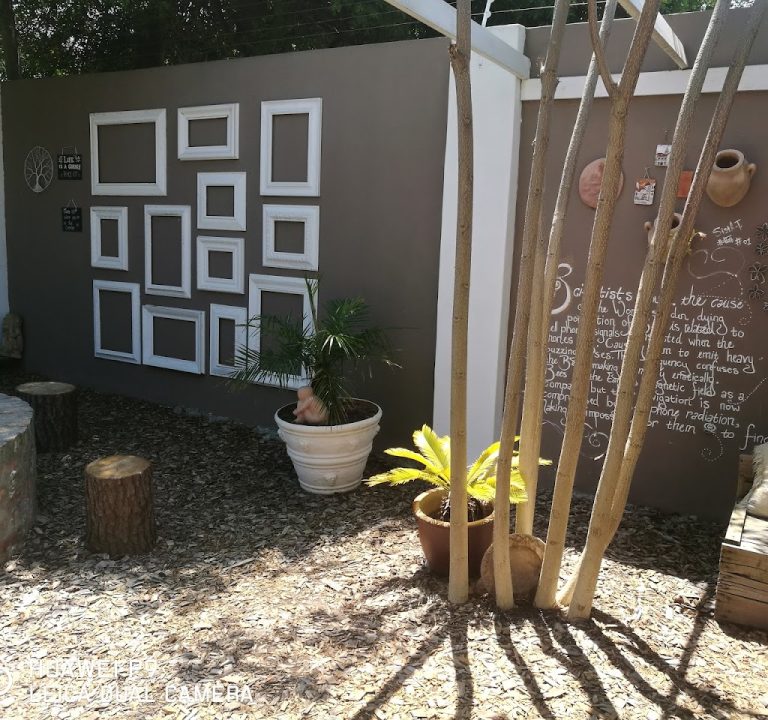
Accommodation in Cape Town typically spans boutique guesthouses, modern hotels, and guest‑favourites such as lodges perched on the slopes of the Table Mountain range or along the Atlantic Seaboard. If you would like a blend of comfort and a more intimate atmosphere, a lodge such as Mulu Lodge provides a cosy base with easy access to many of the area’s highlights. For more information about individual properties, many offer detailed descriptions, photo galleries, and practical guidance on what to expect during your stay on their official websites.
Areas to consider when booking include:
- City Bowl and the Central Business District for easy access to museums, galleries, and the city’s dining scene, with convenient transport links to other parts of the city.
- Green Point and the V&A Waterfront, ideal for seaside walks, harbour views, and staying near restaurants and entertainment venues.
- Camps Bay and the Atlantic Seaboard for beach vibes, sunset views, and a style‑conscious scene that remains relaxed in feel.
- Constantia and the Constantia Valley for a quieter, greener stay with vine‑yard surroundings and proximity to superb trails and family‑friendly days out.
- Cape Town’s leafy southern suburbs and the southern Peninsula for access to nature reserves, coastal drives, and quieter residential neighbourhoods.
When booking, look for amenities that suit your travel style. Essentials often include reliable Wi‑Fi, on‑site parking or easy parking nearby, and flexible check‑in/check‑out options. If you are visiting in peak season, confirm whether breakfast is included or available as an extra, and check policies on cancellations and late arrivals. For families or groups, inquire about family rooms or multi‑bed configurations, and whether the property offers storage for luggage after checkout for day trips.
Transport in Cape Town is front‑of‑mind for many travellers. The MyCiTi bus network provides affordable, modern routes across the city, including connections to the central business district, the waterfront, and the beaches along the Atlantic Seaboard. Car hire is common for exploring the Cape Peninsula and the Constantia wine route, while ride‑hailing services remain a convenient alternative in urban areas. If you plan to visit Robben Island or take a scenic drive along Chapman's Peak, a car gives you freedom, but many tours and attractions are reachable by organised day trips from central locations.
The best time to visit Cape Town depends on what you want from your trip. Generally, many travellers enjoy the city from late spring to early autumn (October to April), when days are longer and the scenery is at its most inviting. If you are after cooler, milder conditions and fewer crowds, autumn (March to May) offers pleasant weather and excellent hiking conditions. Winter (June to August) brings cooler temperatures and the occasional rain shower, which can be perfect for museum days or wine‑tasting in nearby Constantia when outdoor activities are optional.
Around the city, there are countless experiences that suit varied interests without requiring elaborate planning. Visitors often combine memorable natural scenery with easy culture and cuisine, such as scenic viewpoints along the coast, table‑top walks, coastal drives, and stops at market lanes where local crafts and artisanal fare can be sampled. Dining in Cape Town ranges from casual bistros to refined restaurants focused on fresh seafood and South African culinary classics, with many venues sourcing ingredients from nearby farms and coastal suppliers. For a balanced itinerary, a mix of street‑level eateries, high‑quality dining, and relaxed cafés will give you a taste of the city’s flavours while keeping you flexible enough to adjust plans as the day unfolds.
Practical tips to help you plan ahead:
- Pack layers and a reliable rain jacket, even in warmer months, as mountain weather can be unpredictable.
- Protect personal belongings on busy settings and be mindful of crowds at popular viewpoints and markets.
- Book popular activities and ferries in advance during peak season, especially for iconic experiences and day trips to the Cape Peninsula or Robben Island.
- Allow time for rest between long days of sightseeing; Cape Town’s beauty invites slow, sunset‑watching moments by the coast.
- Explore beyond the central sights—hidden courtyards, local markets, and scenic coastal paths offer rewarding, less crowded alternatives.
Whether you choose a characterful lodge such as Mulu Lodge or a modern hotel amidst the city’s heartbeat, Cape Town rewards thoughtful planning with a mix of remarkable scenery, welcoming hospitality, and a diverse range of experiences. For a front‑row seat to the city’s natural wonders and culinary inventiveness, book a stay that balances convenience with opportunities to explore the Peninsula, the winelands, and the vibrant neighbourhoods that give Cape Town its unique charm. To learn more about specific property offerings, visit individual websites and plan your stay with confidence.