Accommodation and Attractions in Johannesburg, Gauteng: Planning Your Stay
Johannesburg, or Jo’burg as many locals call it, offers a mix of stylish guesthouses, contemporary hotels and poolside retreats set against a backdrop of vibrant urban neighbourhoods. When planning a stay, it helps to think about what kind of experience you want: a tranquil residential base with easy access to sights, or a lively neighbourhood with cafés, markets and nightlife on your doorstep. A well-chosen base can become the cornerstone of an effortless visit to Gauteng’s capital city.
Areas to consider for accommodation include the northern suburbs such as Sandton and Hyde Park, which are well connected to major highways and boast secure, modern properties and shopping options. For a more intimate, characterful stay, consider leafy, well-established suburbs where guest houses or boutique hotels offer personalised service; these areas are typically within a short drive or ride of the city centre, museums and parks. If you prefer an up-and-coming, artsy vibe, the central BEST that draws visitors includes districts where former warehouses have been converted into stylish stays and creative spaces. Regardless of the area, location in relation to your planned activities, and access to reliable transport, are the most important considerations when booking.
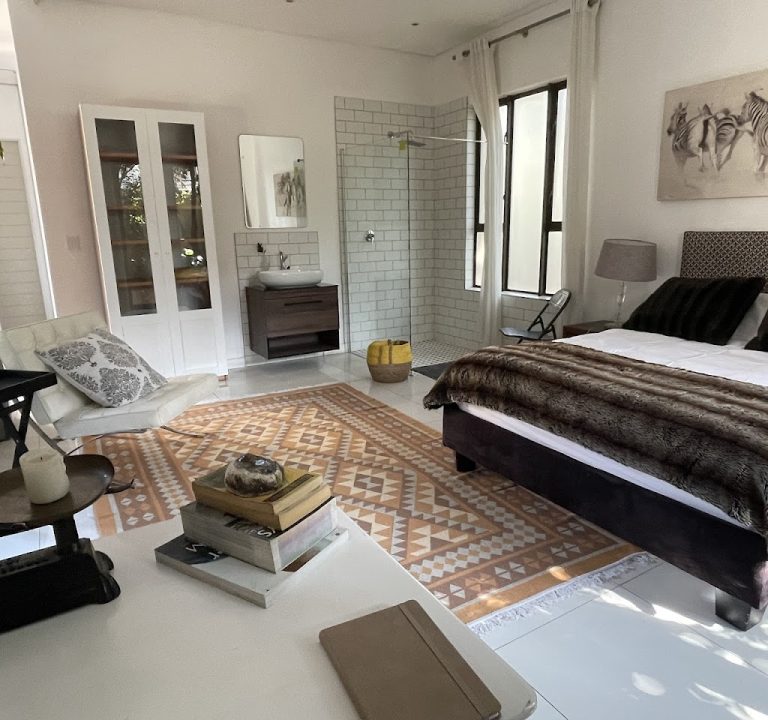
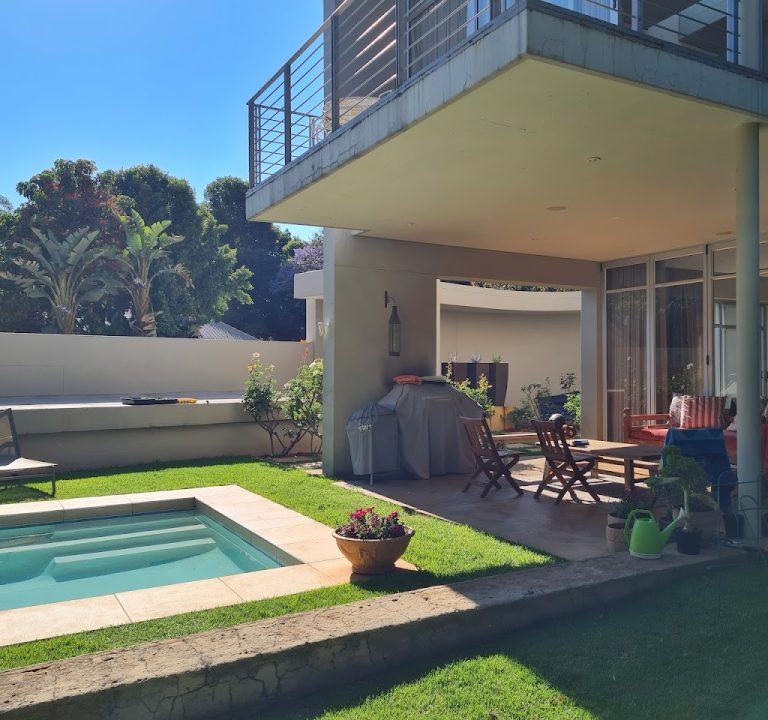
Typical amenities to look for when booking include private or en-suite bathrooms, reliable WiFi, secure parking or convenient transport options, and friendly, helpful staff who can assist with planning day trips. For families, look for family rooms or interconnecting spaces, child-friendly facilities, and easy access to safe streets. For business travellers, a comfortable work area, power outlets and quiet rooms can make a big difference. If you are considering a guest house such as PepperTree Guest House Houghton, you may encounter a warm, home-from-home atmosphere with breakfast options and close proximity to business districts, which can simplify your schedule.
Transport around Johannesburg ranges from convenient to crowded, depending on the time of day. The Gautrain provides fast rail connections to key hubs and the central city, while Uber and other rideshare services are widely used for shorter trips. Renting a car offers flexibility, especially if you plan to explore beyond the city centre or visit nature reserves on the outskirts. When booking, check whether the property can arrange airport transfers or has easy access to major arterial routes; a short taxi or ride-share ride to museums, markets, or a restaurant district is usually straightforward.
The best times to visit Johannesburg balance weather with manageable crowds. Spring (September to November) brings mild temperatures and blooming streets, while autumn (March to May) is pleasant and generally drier. Summer (December to February) can be warm with afternoon thunderstorms, which makes a cool indoor retreat or a late afternoon stroll appealing. Winter (June to August) is usually mild and sunny, although it can be cooler in the early mornings and evenings. Pack layers, comfortable walking shoes and sun protection, as many outdoor experiences are best enjoyed on foot or by short rides between venues.
In terms of attractions and experiences, most visitors enjoy a mix of cultural institutions, markets, and parks presented in general terms. Museums offer insight into the country’s history, art and science, while contemporary galleries and design districts celebrate local creativity. Markets, street-food stalls and casual diners across varied neighbourhoods deliver a sense of daily city life without needing to commit to formal dining venues. Family-friendly parks and nature reserves provide outdoor spaces for picnics, wildlife spotting and scenic walks. For those seeking a little nightlife or live music, look for well-established venues within safe, well-lit precincts, where venues and eateries fuse local flavour with a relaxed atmosphere.
Practically, plan your days by clustering sights geographically to minimise travel time. Crossing between the northern suburbs and the city centre is convenient during off-peak hours, but during peak commuting times you may wish to rely on rideshares or pre-arranged transfers. Book accommodation with clear cancellation policies, especially if you are visiting during peak travel periods or special events. Consider staying in a guest house or boutique hotel that offers breakfast or light dining options, as this can reduce the need to search for morning meals in unfamiliar districts. And finally, keep a small shopping list of essentials—comfortable footwear, a reusable water bottle, a simple map or offline directions, and ways to stay safe in urban areas—to help you feel prepared and relaxed throughout your stay.
- What to look for when booking: secure parking or easy access to transport, clear cancellation policies, responsive reception staff, and amenities that fit your itinerary.
- How to plan day trips: group activities by area (city centre, northern suburbs, nature reserves) to reduce travel time.
- Practical tips: check traffic patterns for your arrival and departure days, consider a relaxed first day to acclimatise, and choose a base with nearby cafes and eateries for convenient meals.