Accommodation and Things to Do in Johannesburg, Gauteng
Johannesburg, often simply called Jo’burg or Jozi, is a vibrant gateway to South Africa’s eastern region. A city of contrasts, it blends world-class restaurants and galleries with lively markets, leafy suburbs, and nearby natural escapes. When planning a stay, think about what you want from your visit: business convenience, cultural immersion, or easy access to surrounding attractions. The right neighbourhood can transform your trip, so consider areas with easy transport links, a good choice of eateries, and safe, walkable streets after dark.
Areas to consider for accommodation include the central business district, which offers proximity to museums, galleries, and business hubs; Rosebank and Rosebank Mall, known for a relaxed village feel, shopping, and easy access to the Gautrain; Sandton, the city’s high-end business and shopping district with a wide range of hotels and activities; and Maboneng Precinct, a creative hub with street art, markets, and trendy eateries. If you prefer a leafy residential feel, consider Illovo, Sandhurst, or Houghton, which provide a quieter base while still being within reach of central attractions.
When choosing a place to stay, look for clear details about location and access. A good host or property listing should include proximity to public transport stops, parking arrangements, and a description of the neighbourhood’s safety and evening ambience. Check for dependable wi‑fi, comfortable bedding, a well-equipped kitchenette or tea and coffee facilities, and thoughtful extras such as a small desk for work, secure access, and clear directions for self check‑in if you will arrive late. Practical touches—ample storage, power adapters suitable for international travellers, and easy access to hot water—make a big difference over a longer stay.
Typical amenities in Johannesburg accommodation range from reliable housekeeping and on-site dining to fitness rooms and business facilities. In many guesthouses and boutique hotels, you’ll find personalised service, with hosts who can offer practical tips about the city, from safe neighbourhoods for evening strolls to hidden courtyard cafes and local markets. If you’re staying in a self‑catering option, a well stocked kitchen with essential utensils, pots, and appliances can save time and money during your visit.
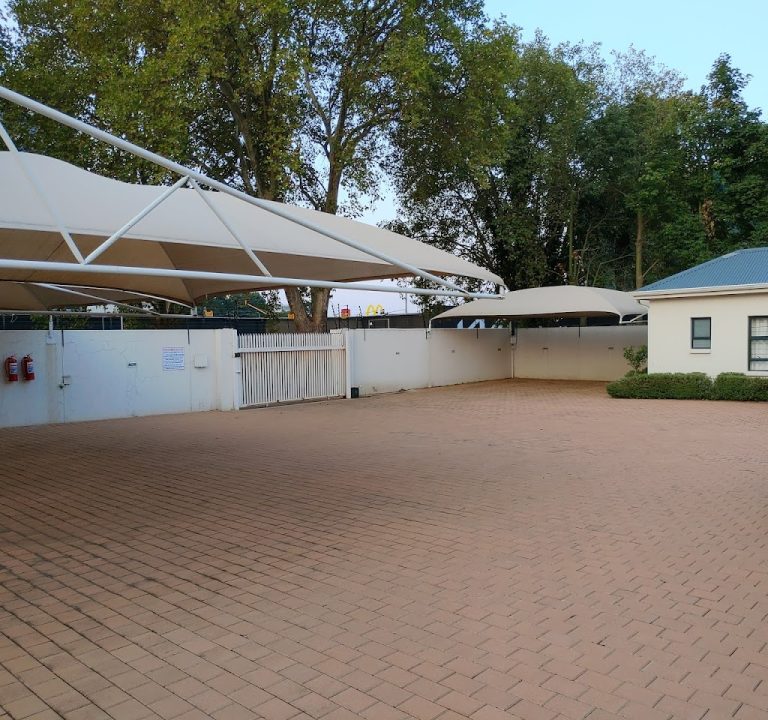
Transport is a key consideration. The Gautrain provides fast rail links to O.R. Tambo International Airport and to central hubs such as Sandton and Rosebank, which is particularly convenient for business travellers and those arriving from other parts of the country. Local taxi services, rideshare apps, and the Metrorail network can help you move between suburbs and major sights. If you’re driving, check parking policies and whether the property offers secure off-street parking. In some areas, street parking may be limited or restricted, so plan ahead, especially if you are visiting during busy periods or events.
The best time to visit Johannesburg depends on what you’re seeking. The city experiences a temperate climate, with warm summers and dry winters. Spring and autumn bring pleasant temperatures for outdoor exploring, while summer can be hot and humid with the possibility of afternoon showers. If you plan to spend time in parks, museums, or on guided tours, mornings are often a good choice to avoid the heat and crowds. For those joining markets or street festivals, weekend visits can be particularly lively, but you may want to book ahead for popular venues or dining experiences during peak seasons.
Attractions in and around Johannesburg are varied enough to appeal to many interests. Cultural highlights include world-class museums, heritage centres, and galleries that trace the city’s history and contemporary art scene. Take time to wander historic streets, explore vibrant markets, and enjoy city views from observation decks or high‑rise viewpoints. For nature lovers, nearby hills, nature reserves, and the Magaliesberg region offer day trips with opportunities for hiking and outdoor activities. Practical day plans often combine a morning cultural stop with an afternoon in a market or a park, followed by a relaxed dinner in a local neighbourhood restaurant.
Dining in Johannesburg ranges from casual eateries serving comforting favourites to refined restaurants that showcase local produce and international flavours. Many accommodation options curate recommendations for guests, including places that prioritise seasonal ingredients and sustainable practices. If you enjoy discovering local food scenes, set aside time for markets, street food clusters, and casual cafés where you can sample regional snacks and speciality coffees. For special occasions, a restaurant with a curated wine list and a refined ambience can be an excellent choice, while family-friendly venues often offer varied menus and outdoor seating.
Practical tips to help you plan a smooth stay:
- Book accommodation with flexible cancellation where possible, especially if your plans may change due to weather or events.
- Choose a base with easy access to public transport or parking, to reduce reliance on taxis during peak traffic times.
- Check reviews for safety and neighbourhood ambience, particularly if you plan to explore after dark.
- Pack adaptable clothing for varying weather and a universal adaptor for electronics.
- Discuss with hosts or reception staff about local attractions, walking routes, and any safety tips relevant to the area.
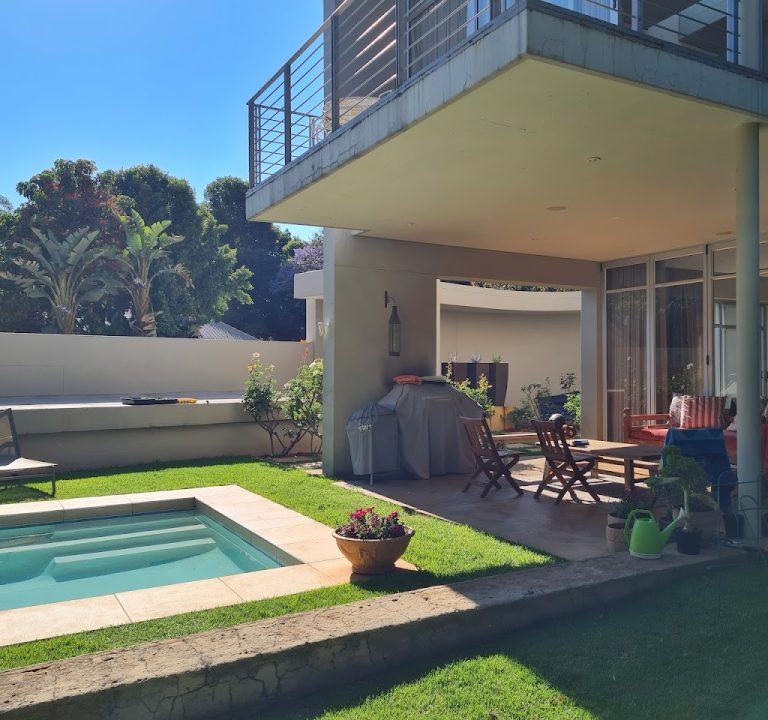
For those seeking a hosted experience, Vergelegen Guest House offers indoor lodging with a focus on comfort and attentive service. While exact details vary by season and room type, guests can typically expect well‑appointed rooms, private or shared spaces, and convenient access to local transport and attractions. When planning a stay, consider how a host’s local knowledge can enhance your itinerary, from practical travel tips to recommendations for off‑the‑beaten‑path sights and dining experiences.