Johannesburg: Accommodation, Attractions and How to Plan Your Stay
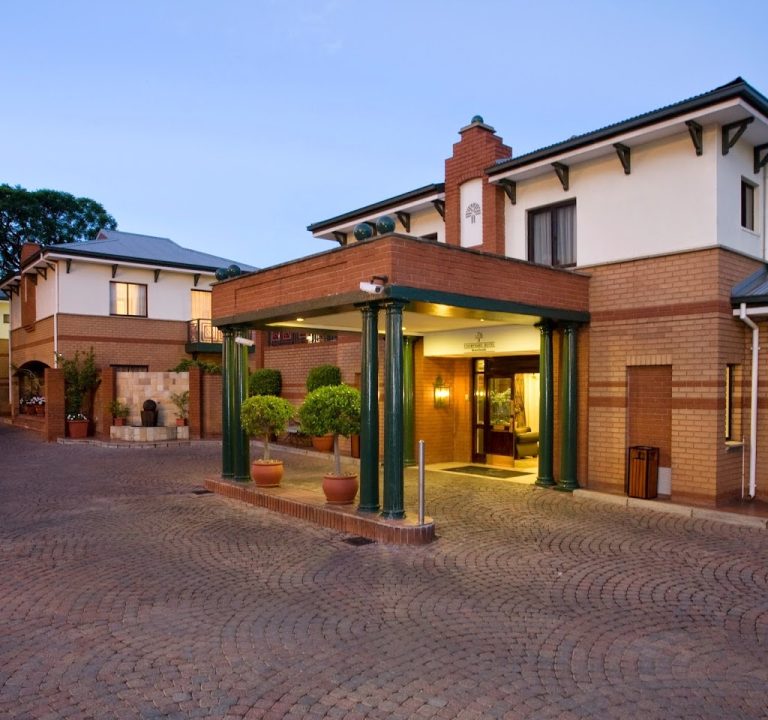
Johannesburg, or Jo’burg as many locals call it, is a dynamic gateway to South Africa’s rich history, vibrant culture and diverse neighbourhoods. When planning a stay in Gauteng’s largest city, you’ll find a range of accommodation to suit all budgets—from stylish city-centre hotels to boutique guesthouses in leafy suburbs. One notable example is Monarch Hotel, which offers a convenient base in a central area and easy access to both business districts and cultural highlights. Always check current reviews and facilities to ensure you have the most up-to-date information about what each property offers.
Areas to consider include the northern suburbs for modern conveniences, shopping and easy access to major highways, and the inner city or central precincts for a more immersive urban experience. Sandton provides luxury dining, high-end shopping and well-regarded conference facilities, while Rosebank blends markets, galleries and good transport links. Braamfontein and Maboneng are hive-like with creative spaces, cafés and street-life energy, ideal if you enjoy a walkable, social scene. Soweto, just to the west, offers historic sites, guided tours and a sense of living history that many visitors find unforgettable. When selecting a base, consider proximity to your planned activities, access to reliable transport and a sense of safety, particularly at night, in certain districts.
Typical hotel and guesthouse amenities in Johannesburg include free Wi‑Fi, on-site dining or easy restaurant access, secure parking or convenient public transport connections, air conditioning or heating, and front-desk services that cater to both business travellers and holidaymakers. For longer stays or family visits, look for units with kitchen facilities or self-catering options, comfortable living spaces and walkable neighbourhoods with nearby amenities. If you’re balancing work with sightseeing, a property offering business facilities, quiet work areas, and good light is particularly useful.
Transport in Johannesburg is well-served by a mix of rail, taxi services and road networks. The Gautrain provides fast connections to Johannesburg and Pretoria from designated stations, while ride-hailing apps and reputable taxi services are widely used for shorter trips. If you plan to explore beyond the central areas, a hire car gives you flexibility, but you’ll want to check parking arrangements at your accommodation. Walking is pleasant in many city quarters during daylight, yet it’s wise to plan evening transport in advance if you’ll be out late.
The best time to visit Johannesburg often depends on your preferences. The city experiences warm summers with occasional thunderstorms and cooler, dry winters. For outdoor activities and garden or park visits, late spring (October to December) and early autumn (March to May) tend to offer comfortable temperatures. If your visit revolves around cultural events or markets, align your dates with local programmes and exhibitions advertised on official tourism platforms or hotel concierge services.
In terms of experiences, Johannesburg offers a broad spectrum of activities without needing to travel far from the hotel. Museums and heritage sites provide context on South Africa’s history, while art districts and markets highlight contemporary creativity. Food lovers can expect a range of dining styles from casual eateries to contemporary dining rooms, often with an emphasis on local ingredients and fusion flavours. For a day trip, many travellers plan a guided visit to nearby townships to learn about history and community initiatives, while still ensuring such tours are respectful, well-organised and led by accredited guides.
To help you plan your stay, consider the following practical tips:
- Research neighbourhood safety, transport options and the proximity of your accommodation to your planned activities.
- Check if your chosen hotel or guesthouse offers airport transfers, which can simplify arrival after a long journey.
- Look for properties with reliable Wi‑Fi, comfortable workspaces if you’re combining travel with remote work, and clear housekeeping policies.
- Ask about on-site dining options or nearby reputable restaurants to minimise travel after late-evening plans.
- Review access to emergency services and the availability of a 24-hour front desk or security features in the building.
- Verify cancellation policies and any seasonal minimum-stay requirements, especially around major events or holidays.
When planning your itinerary, balance time in bustling city streets with calmer moments in parks, gardens or craft markets. While the city has plenty to offer, it’s also a convenient base for day trips to surrounding attractions in Gauteng and beyond. For well-informed planning, consult official tourism resources and read recent guest reviews for the latest on safety, accessibility and amenity enhancements. If you’re exploring options, you might consider staying in a centrally located property such as Monarch Hotel to enjoy straightforward access to key sights, easy dining options and reliable transport links while you sample the city’s diverse experiences.