Johannesburg: Accommodation and Planning for a Traveller-Friendly Stay
Johannesburg, or Jo’burg, is a dynamic gateway to South Africa’s rich cultural mix, riverside parks and a skyline that blends modern design with a storied past. When planning a stay, the city offers a range of accommodation styles to suit different budgets and itineraries, from boutique guesthouses and stylish lodges to family-friendly hotels and self-catering apartments. The key is to match your choice to the neighbourhood you want to explore, how you plan to get around, and the pace you want for your trip.
Areas to consider include central and northern districts that are convenient for business, culture and dining, as well as vibrant neighbourhoods with a lively street life and historical character. In central and nearby districts you’ll find boutique hotels and guesthouses that blend comfort with easy access to museums, markets and galleries. Suburban hubs in the north offer modern hotels and guesthouses with secure parking and quiet streets, ideal for families or travellers who value a calmer base after long days of sightseeing. For a more immersive experience, look to areas with a strong arts and culinary scene, where stylish lodges and guesthouses often sit among cafés, craft markets and local eateries.
What to look for when booking:
- Location relative to your plans: proximity to Gautrain stations, major business districts, or cultural precincts can save travel time.
- Security and access: verify secure on-site parking, 24‑hour reception, and well-lit entrances in the evenings.
- Amenities: reliable Wi‑Fi, air conditioning or heating, comfortable beds, and a choice of breakfast or self-catering options can make a stay more flexible.
- Transport links: easy access to taxis, rideshare apps, and public transport helps you navigate the city without relying solely on private cars.
- Guest experience: check for genuine guest reviews about cleanliness, helpful hosts or staff, and local recommendations.
Typical accommodation types you’ll encounter include:
- Boutique hotels that offer design-led interiors and personalised service.
- Guesthouses and lodges in leafy suburbs, often with generous breakfasts and a warm, homely atmosphere.
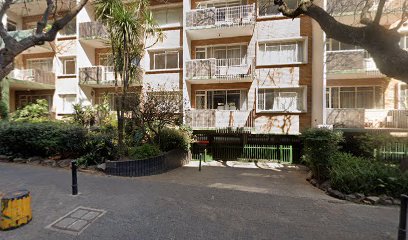
- Self-catering apartments and flats, ideal for longer stays or travellers seeking greater independence.
- Mid-range hotels with value-added features such as swimming pools, gyms and business facilities.
Transport in Johannesburg is well supported by a network of options. The Gautrain offers quick rail connections to Pretoria, Sandton and OR Tambo International Airport, making day trips to nearby sights efficient. In the city, rideshare apps and reputable taxi services are common, and many properties provide shuttle arrangements or car hire facilitation. If you plan long day trips to nearby attractions or nature reserves, having access to a car can be very convenient, though it is perfectly feasible to rely on public transport and guided tours for city days.
Best time to visit Johannesburg depends on your priorities. Spring (September to November) and autumn (March to May) generally offer pleasant temperatures and lighter rainfall, making outdoor activities and city strolls more comfortable. Summer (December to February) brings warmer weather and dramatic afternoon thunderstorms, which can be dramatic and refreshing, while winter (June to August) tends to be cool and dry, ideal for museum days and cosy restaurant experiences. If your focus is safari day trips or outdoor nature experiences, plan some flexibility around weather and travel times.
Practical planning tips for a smooth stay:
- Book accommodation with a reputable security framework and clear access instructions for arrival times.
- Confirm breakfast options or nearby dining when planning early departures for day trips.
- Budget for meals out; Johannesburg’s dining scene ranges from casual eateries to vibrant fine-dining experiences, with a strong emphasis on local and international flavours.
- Pack appropriate layers for changing conditions, especially if you are visiting during shoulder seasons or evenings in cooler suburbs.
- Respect local customs and street etiquette, and stay aware of your belongings in busy areas and markets.
Attractions and experiences to consider during your stay are varied and accessible from most well‑located bases. You can expect a mix of world-class museums and galleries, heritage districts that capture the city’s urban energy, and markets or districts where craft, design and street food thrive. For evenings, you’ll find a spectrum of venues from casual bistros to more refined dining rooms, where you can sample a range of South African flavours and international influences. If you enjoy pairing meals with a sense of place, look for restaurants that emphasise seasonal produce and local ingredients, as many Jo’burg eateries do.
A practical dining highlight for visitors is to explore a choice of well-regarded local spots across the city. One example is Barry’s Grill Room, which maintains a long-standing presence in its area and offers a traditional, hearty dining option. Details and menus are available via the restaurant’s website: Barry’s Grill Room.
Overall, a stay in Johannesburg can be as relaxed or as active as you wish. Choose a base that aligns with your travel goals, plan for straightforward transport, and leave some room for spontaneous discoveries in the city’s diverse urban landscapes and neighbourhoods. With thoughtful preparation, you’ll enjoy comfortable accommodation, efficient travel logistics, and a wide range of experiences that showcase the warmth and energy of this South African metropolitan hub.