Johannesburg: Accommodation, Attractions and Practical Tips for a Great Stay
Johannesburg, or Jo’burg as many locals affectionately call it, offers a dynamic mix of culture, history, and vibrant city life. When planning a stay, consider a few core considerations to maximise comfort, safety, and access to the city’s diverse attractions. From stylish guest houses and boutique hotels to modern apartments, Johannesburg’s accommodation options span neighbourhoods with distinct character, making it easy to tailor a trip to your interests and budget.
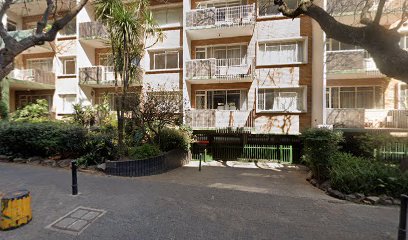
Where to stay matters as much as what you want to do. For a recognised mix of city buzz and convenient transport access, central districts are popular. The area around the central business district and the northern suburbs provides easy access to business facilities, museums, markets, eateries, and nightlife. If you prefer a more tranquil, leafy ambience with a hotel or guest house that feels residential, consider areas in the northern suburbs or the foothills of the Witwatersrand. For a cultural immersion and a gateway to private game reserves or day trips, a stay in or near the northern and eastern parts of the city can be ideal. A well-known guest house in Johannesburg, such as 102 Macedon, can offer a comfortable base with easy access to the city’s main sights while still feeling part of a neighbourhood community.
Typical accommodation features to look for include reliable Wi‑Fi, secure parking, on‑site dining or kitchens, and clear information about access to public transport. Many guest houses and boutique hotels emphasise guest-friendly touches such as daily housekeeping, generous breakfasts, and curated local recommendations. If you are travelling with family or a group, look for flexible room configurations, privacy options, and common spaces where you can relax after a day of exploring. Accessibility is important for some travellers; check stair-free entry, lifts, and adapted bathrooms if these are relevant to you.
Transport in Johannesburg is straightforward but can vary by area. The city is served by an extensive network of roads, and rideshare services are commonly used by visitors. Public transport options include bus services and approved metro links, though the most efficient way to maximise time is often a combination of walking, rideshares, and short taxi journeys to key attractions. When planning day trips or visits to museums, markets, or parks, consider your area’s proximity to major routes or transfer points, and allow extra time for peak hours, which can be busy in the mornings and late afternoons.
Best time to visit Johannesburg depends on what you want from the trip. The city enjoys a temperate climate, with warm summers and mild winters. Many travellers choose spring or autumn for comfortable temperatures and pleasant outdoor conditions. If you enjoy outdoor markets and gardens, you’ll want to plan for daylight hours to explore safely. Seasonal rainfall can affect certain outdoor experiences, so packing a light rain jacket and planning indoor alternatives for rainy days can help you stay flexible.
Practical planning tips to help you get the most from your stay:
- Book with clear cancellation policies and transparent housekeeping arrangements, especially for shorter stays.
- Ask about security features in the neighbourhood, including entry systems, neighbourhood watch activity, and street lighting.
- Check the proximity of your accommodation to the places you plan to visit, and identify nearby dining options and grocery stores.
- Find out whether breakfast is included and if there are alternatives for guests with dietary preferences.
- Inquire about laundry facilities, blackout curtains, air conditioning or heating, and other comfort amenities relevant to your stay.
When it comes to attractions and experiences, Johannesburg offers a broad spectrum without needing to travel far. Visitors can explore modern art galleries and historical museums that illuminate South Africa’s past and present. Markets and craft hubs are excellent for discovering local design, fashion, and jewellery, while parks and botanical spaces provide a change of pace from the urban core. Restaurants across the city span dynamic brunch spots, casual bistros, and fine-dining venues that focus on seasonal produce and regional flavours, offering a taste of South African hospitality in various environments. For day trips, many travellers plan excursions to nearby nature reserves, historic towns, and scenic viewpoints, which can be reached by grouping transport arrangements with your accommodation or via guided tours arranged through reputable operators.
Choosing a neighbourhood with character can enrich your stay. The city offers a mix of trendy venues, cultural hubs, and quiet residential streets that feel separate from the usual tourist routes, while still providing convenient access to major sights. In all cases, prioritise safety by staying within well-reviewed properties, using reputable transport options, and keeping valuables secure while you explore. A well managed guest house or boutique hotel will usually provide guidance on local dining, markets, and transport routes, making it easier to plan efficient days of sightseeing without missing out on the best of what Johannesburg has to offer.
For more inspiration and to tailor your itinerary, you can explore official tourism resources and connect with accommodation providers that prioritise guest comfort and clear information. A stay at a guest house such as 102 Macedon can serve as a comfortable base from which to discover Johannesburg’s contrasts—from modern urban spaces to historic districts—while enjoying personalised recommendations for places to eat, shop, and explore.