Discovering Johannesburg: accommodation, attractions and dining options for a memorable stay
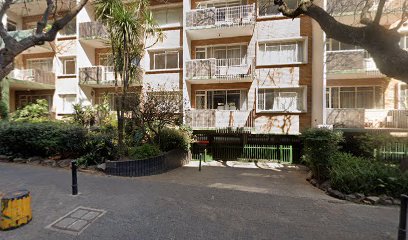
Johannesburg, commonly known as Jo’burg or Joburg, offers a vibrant mix of business districts, historic neighbourhoods, and contemporary neighbourhood hubs. Whether you are visiting for a city break, business, or a gateway to nearby wildlife and cultural experiences, the choice of where to stay can shape your whole trip. The city’s accommodation ranges from stylish boutique hotels and modern serviced apartments to guesthouses tucked away in leafy suburbs, each with its own character and proximity to key sights and transport links.
When planning where to stay, think about access to reliable transport, safety, and the pace of life you prefer. If you want easy access to business districts and high-end shopping, consider the northern suburbs or Sandton. For a creative atmosphere with cafés, galleries, and street art, explore Braamfontein and Maboneng. Soweto provides a powerful cultural dimension and a different rhythm of daily life, while Rosebank and Melville offer a mix of markets, restaurants and convenient transport connections. Inner-city options, including the central business district, can be appealing for history and architecture fans who don’t mind a more urban environment. Look for properties with secure access, 24-hour reception, and well-reviewed housekeeping and wi‑fi to support work or streaming needs during your stay.
Typical amenities to expect include comfortable bedding, en-suite bathrooms, air conditioning or heating, quiet zones for work, and reliable wifi. Many properties provide breakfast either as part of the rate or as an optional add-on. A kitchenette or on-site dining options can be a bonus for longer stays. If you are travelling with family or in a group, look for apartment-style offerings with separate living spaces, or family rooms in hotels. For those planning a longer visit or multiple city days, serviced apartments can provide convenient home-away-from-home comfort with flexible pricing and kitchen facilities.
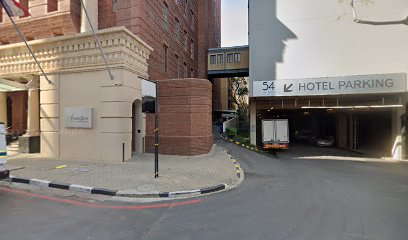
Transport is a practical consideration. Most areas mentioned have access to reputable taxi services and ride-hailing apps. Johannesburg is reachable by air through OR Tambo International, with various transfer possibilities to the city centre and suburbs. If you prefer public transport, note that the Gautrain link to Pretoria and the northern suburbs can be efficient, and the city’s metro and bus networks connect major hubs. However, a car can offer greater freedom to explore beyond the city core, including nearby natural attractions and day trips to heritage sites. When booking, ask about parking availability, security on site, and whether the establishment offers shuttle services or safe, well-lit drop-off points for arrivals and departures.
Best time to visit Johannesburg is generally during the Southern Hemisphere’s autumn (March to May) and spring (September to November), when the weather is mild and outdoor activities are pleasant. Winter (June to August) can be cooler, especially at night, but many venues remain welcoming, and a city-based itinerary often revolves around indoor experiences such as museums, galleries and markets. If you plan to visit Soweto or other neighbourhoods with guided tours, it’s helpful to arrange these through your accommodation or recognised tour operators for a balanced and respectful experience.
Practical tips for a smooth stay:
- Book accommodation with strong security measures, good lighting, and 24-hour reception if you expect late arrivals or early departures.
- Check access to reliable high-speed wifi and a comfortable desk or work area if you need to combine travel with work.
- Consider the rhythm of your days: some areas come alive in the evenings with dining and entertainment options, while others are more tranquil at night.
- Plan a mix of neighbourhood walks, civilised café stops, and guided cultural experiences to understand the city’s history and modern vitality.
Dining in Johannesburg ranges from classic bistro fare to modern fusion and international cuisines. In safe, well-loved districts you’ll find casual eateries, vibrant street-food markets, and refined dining rooms that focus on seasonal produce. Rather than relying on a single restaurant, consider a handful of neighbourhood choices each evening, enabling you to experience a range of atmospheres—from relaxed cafés to contemporary fine dining. If you are staying in a serviced apartment or hotel with a dining option, you might also enjoy markets and deli counters nearby for a light lunch or picnic materials for a day out.
Key attractions in general terms include museums and galleries that document South Africa’s complex history, expansive parks and outdoor spaces where you can walk or jog, and markets where local crafts and foods can be explored. Urban art and architectural highlights add to the city’s distinctive character, while day trips to nearby natural areas or historic sites can provide a contrast to the city’s energy. For a well-rounded experience, pairing a couple of guided tours with independent exploration will help you see both the well-known sights and hidden corners of Johannesburg.
Useful resources for planning your stay include official tourism websites and city guides, as well as hotel and guesthouse booking portals that offer guest reviews and practical details about neighbourhoods, transportation, and local safety considerations. For further planning, browse credible sources online to confirm current openings, mapped routes, and any seasonal events that may enrich your visit. A well-chosen base in a convenient area can truly enhance your Johannesburg stay, helping you balance comfort, culture, and exploration with ease.