Johannesburg: accommodation, attractions and practical tips for a memorable stay
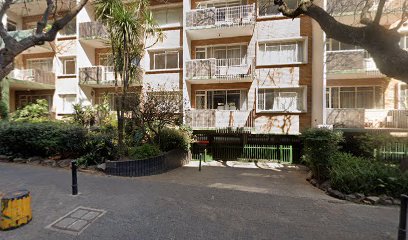
Johannesburg, the vibrant heart of Gauteng, offers a dynamic mix of urban flair, rich history and contemporary culture. When planning a stay, many visitors first consider neighbourhoods that balance convenience, safety and atmosphere. The central city around the Maboneng Precinct, the stylish northern suburb of Rosebank, and more leafy, tree-lined districts such as Parkhurst or Emmarentia make strong bases for different travel styles. For self-catering travellers, distinctive options like Rose Of Rosebank provide the freedom to explore at your own pace while staying close to shops, cafés and transport links.
Accommodation in Johannesburg ranges from stylish boutique stays and self-catering apartments to large hotels and guesthouses. When booking, think about the purpose of your visit: business travellers may prioritise proximity to business districts and reliable Wi-Fi, while families often value spacious layouts, kitchens and on-site parking. If you plan to explore beyond the city, choosing a base with easy access to major highways or public transport saves time and adds flexibility to day trips.
What to look for when booking:
- Location: proximity to your planned activities, access to major arterials and reliable public transport, and safety features in the surrounding area.
- Property type: self-catering apartments, boutique B&Bs, or full-service hotels each offer different levels of service and flexibility.
- Amenities: reliable Wi‑Fi, a well-equipped kitchen if you choose self-catering, secure parking, air conditioning or heating, and laundry facilities.
- Security: check on-site reception hours, gated access, and neighbourhood safety notes in reviews.
- Reviews: look for recent guest experiences, focusing on cleanliness, responsiveness of hosts or management, and accuracy of listings.
Typical amenities across Johannesburg properties often include well-equipped kitchens or kitchenettes, clean linen and daily or weekly housekeeping options, comfortable living spaces, and access to common areas such as lounges or rooftop terraces. For longer stays, a property with a dedicated workspace and stable water supply is particularly welcome. If you are travelling with family, confirm the availability of child-friendly bedding, high chairs, and safe play areas.
Transport and getting around are central to planning. Johannesburg operates a broad road network, and many areas are well-served by rideshare services. If you prefer public transport, confirm proximity to metro or bus routes and the availability of secure parking if you hire a car. Taxi or ride-hailing apps are convenient for evenings out, but always consider safe, well-lit routes and the recommended travel times for your chosen neighbourhood. A well-planned stay can include a mix of walking to nearby cafés and using rides when you want to venture further afield, such as to markets, museums or parks.
The best time to visit Johannesburg is typically during the South African autumn and winter months (April to August), when the weather is mild and mask-to-beach days are rare; spring (September to November) brings colourful gardens and pleasant air. Rain is more common in the summer months (December to February), so travellers who favour outdoor activities should plan flexible itineraries and have options for indoor experiences. Regardless of the season, mornings can be cool in Johannesburg, with warmer afternoons, so layering is a sensible approach.
When planning attractions and experiences, a mix of culture, history and outdoor spaces tends to satisfy many visitors. In the city centre and nearby precincts, contemporary galleries, street art and markets offer a sense of the modern Johannesburg, while museums and heritage sites provide context on South Africa’s past. For outdoor lovers, public parks, botanical gardens and tranquil reservoirs offer al fresco moments and pleasant walking routes. In terms of dining, the city’s restaurant scene ranges from refined tasting experiences to casual cafés and street-food-style venues, where a relaxed meal often features local produce and cosmopolitan flavours. Simple tips: look for places that focus on hospitality and value, rather than over-premium pricing, and check whether menus reflect seasonal ingredients.
If you are organising a longer stay, consider a layered itinerary. Start with a couple of neighbourhood days in the Rosebank corridor or nearby Sandton for shopping, markets and cafés, then branch out to the cultural centres of the inner city and the northern suburbs. A day trip to a nearby nature reserve or cultural village can balance city exploration with time outdoors. Booking a self-catering option such as Rose Of Rosebank can be especially advantageous for flexible mealplanning after long days of sightseeing or shopping.
Practical tips for a smooth trip:
- Check the property’s accessibility features and whether the entrance is step-free if needed.
- Read cancellation terms carefully, as policies vary between hosts and operators.
- Pack practical items for Johannesburg’s climate, including a light rain jacket for possible showers and a reusable water bottle for day trips.
- Give yourself a realistic schedule; Johannesburg is a spread-out city, so allow travel time between areas to avoid rushing.
- Use official tourism websites and trusted booking platforms to compare options and read multiple guest reviews.
With thoughtful planning, a stay in Johannesburg can be both comfortable and culturally enriching. From the comfort of a well-equipped self-catering apartment to the convenience of location-rich hotels and guesthouses, the city offers a range of options to suit different itineraries. By choosing a well-situated base, prioritising flexible amenities, and pairing city sightseeing with outdoor moments, you can enjoy a rewarding visit to Gauteng’s dynamic hub.