Johannesburg: accommodation, attractions and planning your stay
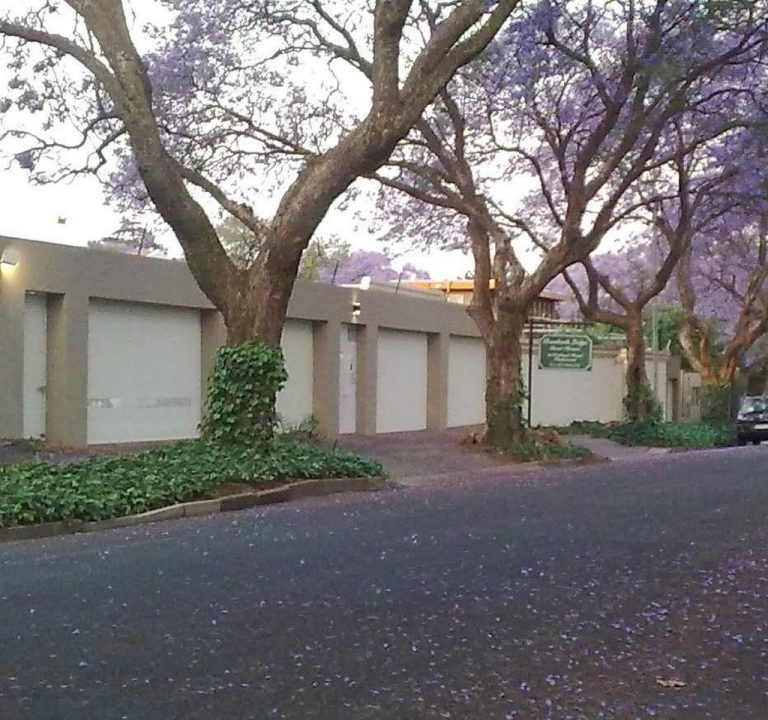
Johannesburg, or Jo’burg as many locals call it, offers a vibrant mix of lodging options that suit different styles and budgets. From chic city-centre stays in up-and-coming neighbourhoods to leafy guesthouses in established suburbs, visitors can base themselves in areas that reflect the city’s energy while remaining convenient for exploring Gauteng. For those seeking a more boutique or residential feel, look for lodges or B&Bs in areas such as Houghton, Sandton, or Rosebank, where security, comfortable interiors and knowledgeable hosts help orient you to the city.
When planning a stay, consider the area that best fits your itineraries and pace. Sandton and Rosebank are convenient for business, shopping and access to the Gautrain stations, while Braamfontein and Maboneng offer urban culture, street art, and a lively cafe scene. If you prefer a quieter base with quick access to museums and parks, Houghton Place and the northern suburbs provide leafy streets and a more relaxed ambience without sacrificing easy transport links.
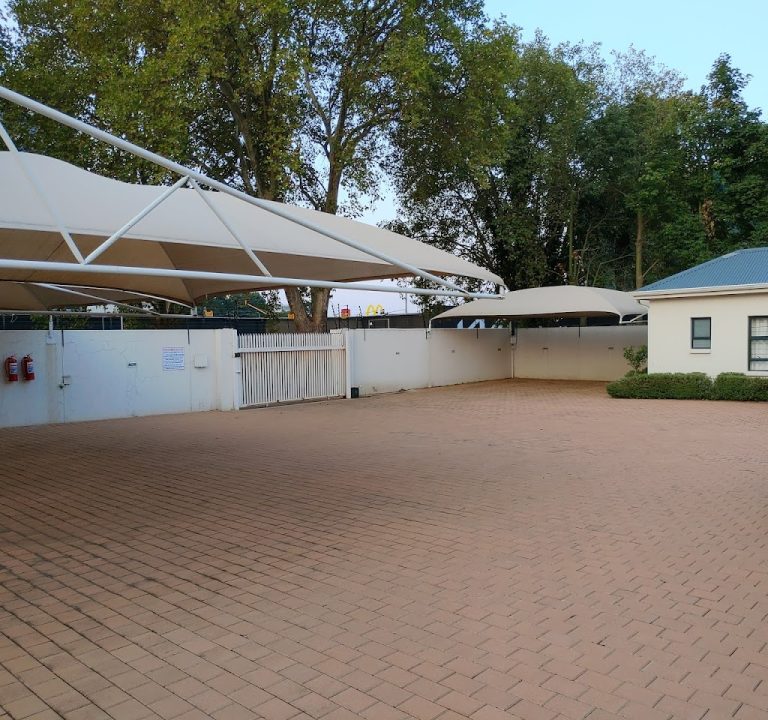
What to look for when booking a stay in Johannesburg includes security features (24-hour reception, controlled access, safe parking), flexible check-in times, and clear information on public transport or parking options. Practical amenities that make a stay easier include free Wi‑Fi, a well-equipped kitchen or continental breakfast, a secure area for luggage, and a comfortable lounge or outdoor space. For longer trips, a self-catering option or a kitchenette can be a real convenience. If you travel by car, confirm parking arrangements, and if you rely on rideshares or local taxis, check whether a host can arrange trusted transfers from major transport hubs.
Transport in Johannesburg is well supported by the Gautrain network, which links Johannesburg with Pretoria and the OR Tambo International Airport. Within the city, rideshare apps, metered taxis and car hire are widely available. If you plan day trips to neighbouring attractions, a lodging with easy access to main roads and a confirmed parking space can save time. For those staying near the city centre, walking-friendly streets, well-lit promenades, and nearby cafés can help you feel settled quickly, while a short drive can take you to more expansive parks, markets and museums.
The best time to visit Johannesburg depends on what you want from your trip. Winters (May to August) are generally dry and cool, with crisp mornings and pleasant days, making it ideal for outdoor exploration and city walks. Summers (October to March) bring warmer temperatures and summer storms; this is a good period for visitors who enjoy green spaces and afternoon showers. The shoulder seasons often provide a balance of milder weather and quieter attractions, with fewer crowds in peak spots. If you plan to spend time in markets, museums and outdoor precincts, consider midweek visits to avoid weekend queues in popular areas.
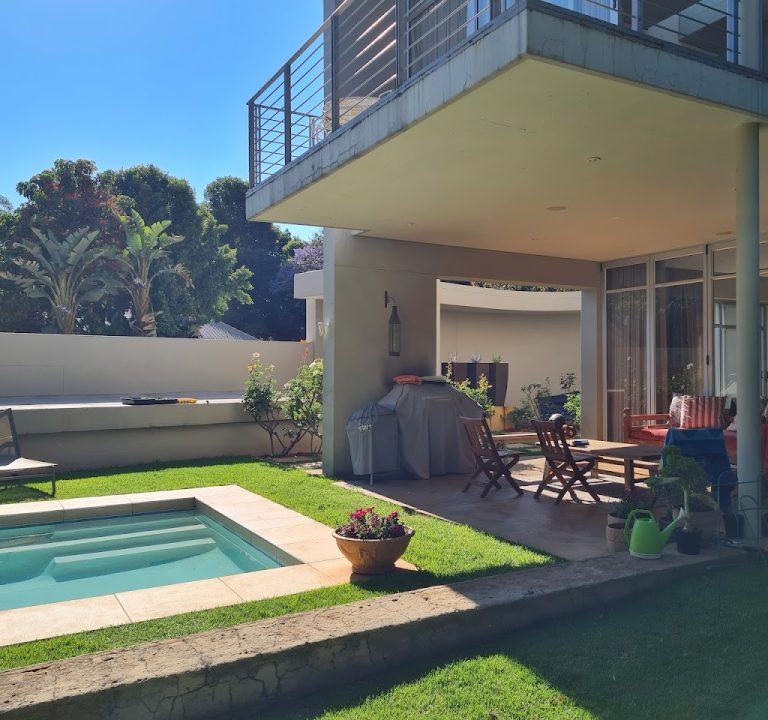
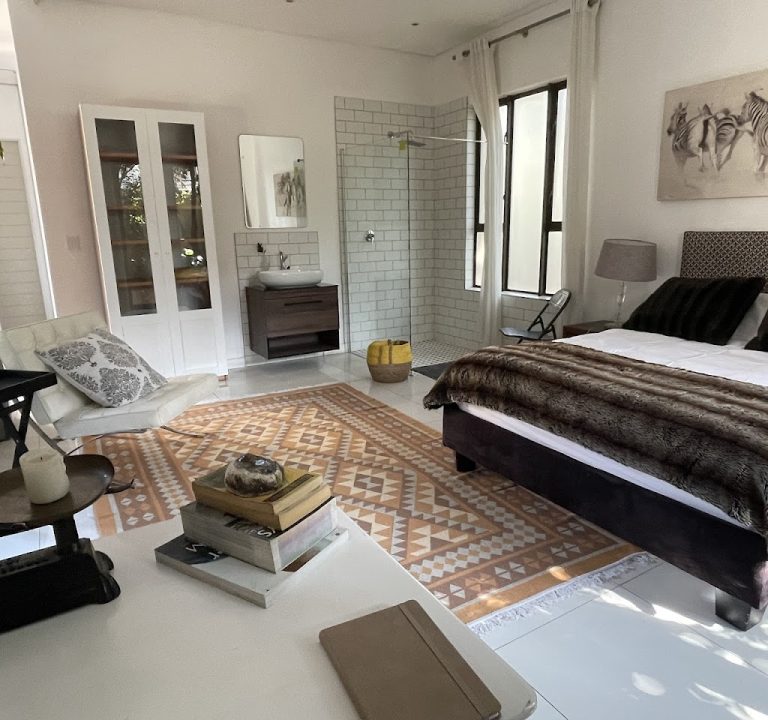
Accommodation in Johannesburg typically spans a spectrum from elegant heritage lodges to contemporary boutique hotels and guesthouses. In the city’s central and northern suburbs, you’ll often find stylish rooms, reliable Wi‑Fi, and attentive hosts who double as local guides. In addition to private rooms, many properties offer common spaces such as gardens or terraces where guests can relax after a day out. Breakfast options range from simple continental selections to full cooked meals, while some properties provide self-catering facilities or access to nearby dining venues. For visitors who value a sense of place, lodges and guesthouses that reflect local design and décor can give a memorable flavour of the city.
When planning activities, Johannesburg’s top experiences tend to centre on culture, history and contemporary life. Museums and galleries offer insights into the country’s complex past and dynamic present, while markets and neighbourhood precincts showcase crafts, design and food. Dining ranges from modern South African cuisine to international dishes, with many restaurants emphasising seasonal produce and farm-to-table ideas. For families and groups, many lodgings are near parks and green spaces where afternoons can be spent outdoors. If you’re seeking sustainable or community-focused experiences, look for guided tours or community partnerships that support local initiatives while offering authentic encounters.
Practical tips for a smooth stay in Johannesburg:
- Choose accommodation with clear security measures and practical access to your planned sights.
- Consider a base near a Gautrain station or major routes to minimise travel time between attractions.
- Pack layers to adapt to variable daily temperatures, especially if visiting in the cooler months or during early mornings and evenings.
- Be mindful of home-bound safety measures: keep valuables secure, use trusted transport, and use well-lit areas after dark.
- Plan to reserve popular experiences or dining slots ahead of time, particularly in busy seasons or weekends.
For further inspiration and practical planning, you may wish to explore official tourism resources and travel guides that cover a range of neighbourhoods, dining options and remote or nearby attractions. These can help you tailor a stay around your interests—whether you’re drawn to art, history, shopping, or nature—as you enjoy the dynamic atmosphere of Johannesburg.
Useful starting points for planning include general guidance on accommodation categories and area profiles, as well as host recommendations for travellers. If you’re researching specific lodging in a historic or leafy precinct such as Houghton Place, you’ll find a range of options that balance character with modern comforts. For more ideas on what to see and where to eat in Johannesburg, reputable travel sites and regional tourism pages are helpful resources to consult before and during your trip.