Accommodation and Getting the Most from a Stay in Johannesburg, Gauteng
Johannesburg, often simply called Jo’burg or Joburg, is a city of contrasts where modern high-rise living sits alongside rich heritage, vibrant street life and a wide range of eateries. When planning a stay, think about what you want to get from the visit: culture and history, convenient access to business districts, or a gateway to the surrounding Gauteng region. The right choice of accommodation can anchor your plans, from luxury hotels to boutique guesthouses and well-appointed apartments that feel like a home away from home.
Popular areas for visitors include the northern suburbs, which offer leafy streets, shopping and good transport links; the central business district, which provides a hub for city life, historical sites and a growing culinary scene; and the trendy inner-city and Braamfontein/Sandton precincts, known for bars, cafés and arts venues. For a blend of ambience and accessibility, consider options that are close to main transport routes such as the Gautrain stations or major bus routes, so exploring both the city and the broader region feels effortless rather than exhausting.
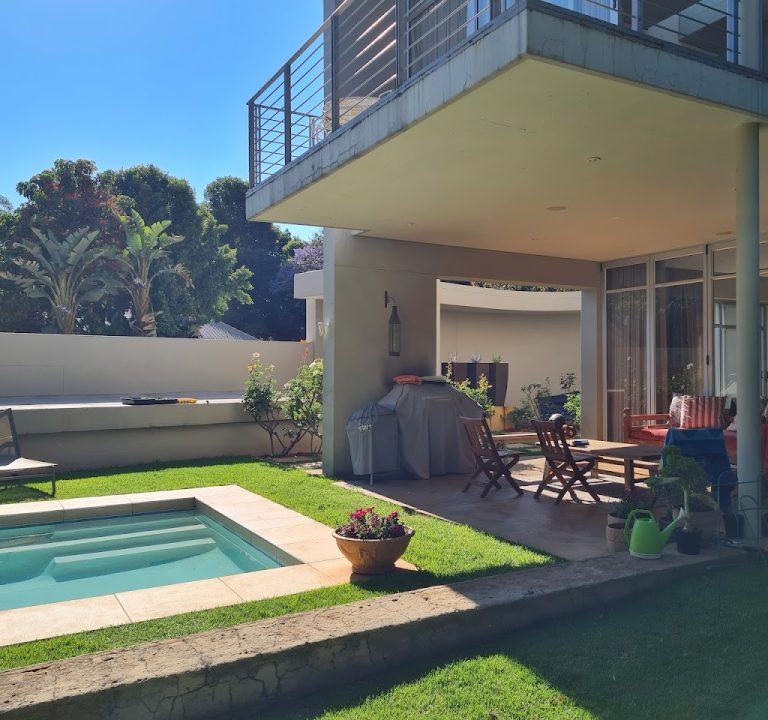
When choosing accommodation, think about a few practical criteria that can shape your stay. If you are travelling for business, proximity to your meetings or venues, reliable Wi-Fi, a comfortable work area, and quiet rooms are key. For a leisure break, you might prioritise a lively neighbourhood, on-site dining and a pool or spa. In warmer months, a shaded outdoor space or rooftop terrace can be a welcome retreat after a day of sightseeing. If you’re travelling with family or a group, look for suites or flexible room configurations and easy access to common areas or kitchens.
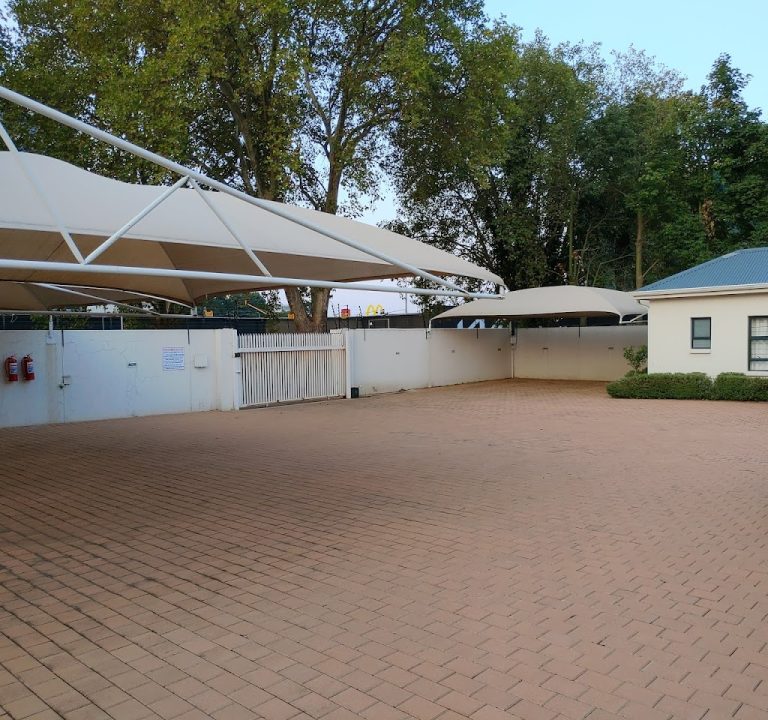
Typical amenities you may encounter include air conditioning, good natural light, a well-equipped en suite bathroom, secure parking, and 24-hour reception. Many properties offer breakfast options, and some provide additional meals or in-room dining. For guests who like to keep fit on the road, a small gym or access to nearby outdoor spaces can be a bonus. A reliable power supply is worth confirming, given occasional load-shedding in the city; some hotels organise contingency measures to keep essential services running smoothly. If you prefer a more authentic stay, consider boutique hotels or guesthouses that emphasise personable service and a sense of place, often with neighbourhood recommendations from staff or hosts.
Transport in Johannesburg is well served by Gautrain links to OR Tambo International Airport and Pretoria, plus an extensive road network and taxis. Depending on where you base yourself, you may find that a mix of self-guided exploration and short rides suits you best. If you plan to visit the broader province, a car is convenient, but many city areas are walkable or well connected by ride-hailing services. Ask about airport transfers and local guidance on safe transport options, especially late at night.
The best time to visit Johannesburg tends to be during the southern hemisphere’s spring and autumn, with mild days and cooler evenings. The city experiences warm summers and occasional thunderstorm activity, while winter is generally dry and crisp. If you are sensitive to heat or crowds, shoulder seasons can offer a more relaxed pace and potentially better value. Always check local events calendars, as major exhibitions, markets and cultural happenings can influence availability and prices in popular areas.
In terms of planning, it helps to balance your days between core attractions and downtime. A typical itinerary might include a morning museum visit or guided township heritage experience, followed by a relaxed lunch in a residential or modern dining precinct, with an afternoon park, garden, or art gallery to explore. Evenings can be reserved for a chef-led dining room, a rooftop bar with city views, or a casual neighbourhood eatery where locals gather. If you crave nightlife, choose a base in areas known for vibrant venue clusters but with straightforward transport options back to your hotel.
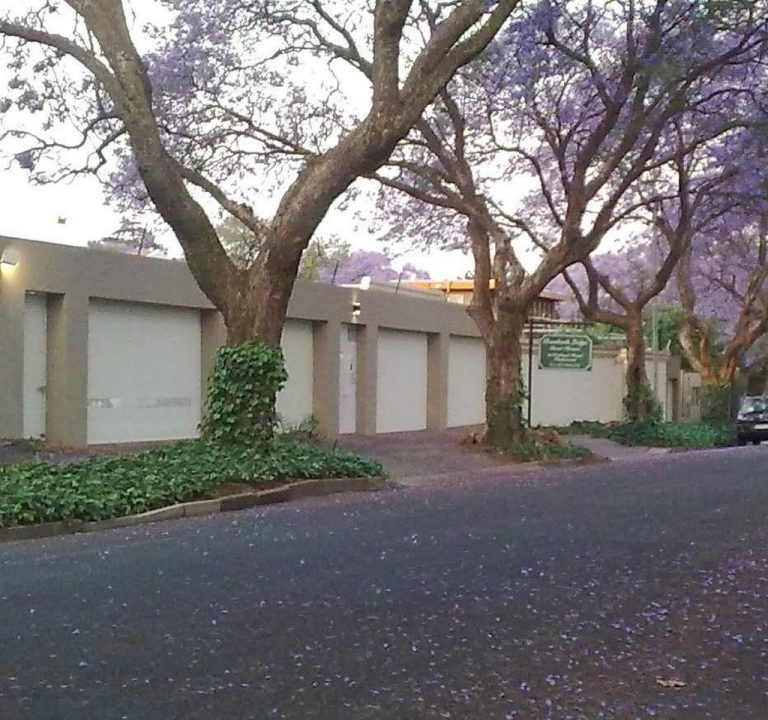
When it comes to places to stay, you’ll find a spectrum of options. For those seeking a well-appointed base with a touch of luxury, a hotel that offers a professional service ethos, comfortable rooms and reliable facilities can make a big difference to a busy itinerary. Conversely, boutique guesthouses and smaller hotels can offer a more personal touch, with hosts who can tailor recommendations to your interests and help you uncover lesser-known corners of the city. For a distinctive option, consider properties that present a strong sense of place, whether through design, history or a dedicated local knowledge, while still providing modern conveniences and sensible safety measures.
Examples of notable bases to consider include established hotels in central zones and newer properties that aim to fuse style with practicality. Some properties maintain curated itineraries or partner with local guides to simplify planning, which can be especially useful if you want to sample a few neighbourhoods in a short stay. If you are drawn to a specific property, you can often find further information and booking options on the hotel’s official website.
One example to explore is The Winston Hotel, which offers a central location, convenient access to the city’s business and cultural districts, and a straightforward approach to accommodation. For more information, see the hotel’s official site: The Winston Hotel.
Finally, consider booking with flexibility in mind. Plans can shift with weather, events and personal pace, so look for properties offering reasonable cancellation terms and clear policies for changes. A short, well-planned stay in Johannesburg can be incredibly rewarding, combining a comfortable base with easy access to museums, markets, parkland and excellent dining, while offering a sense of the city’s energy and hospitality that stays with you long after you return home.
- Areas to consider: central business district, Braamfontein, Sandton, Rosebank, and the northern suburbs for quieter stays.
- Key booking considerations: location, transport access, room layout, Wi-Fi reliability, meal options, parking, and safety.
- Practical tips: confirm load-shedding provisions, check nearby amenities, and seek hosts’ or staff’s recommendations for local dining and day trips.