Accommodation and Attractions in Johannesburg: A Traveller’s Guide to Planning a Stay
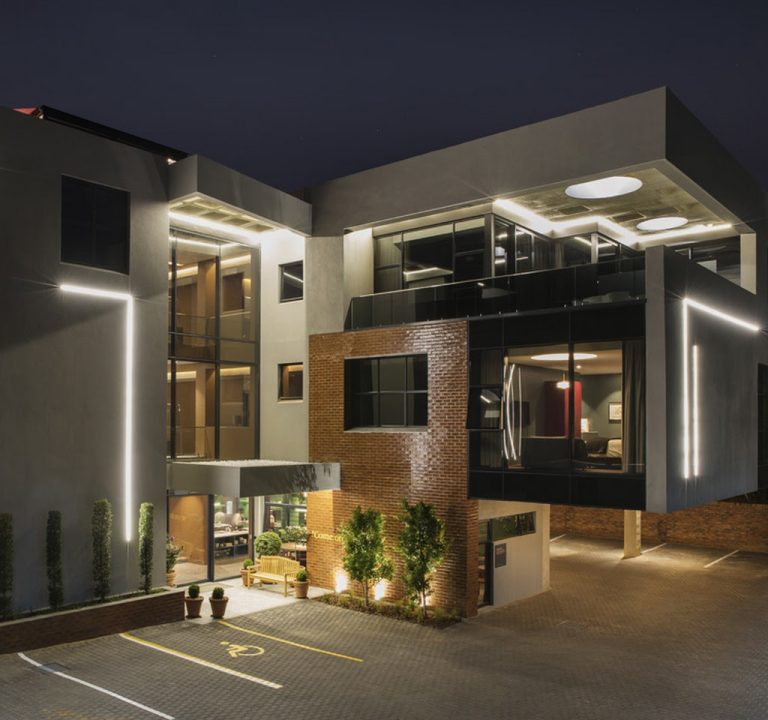
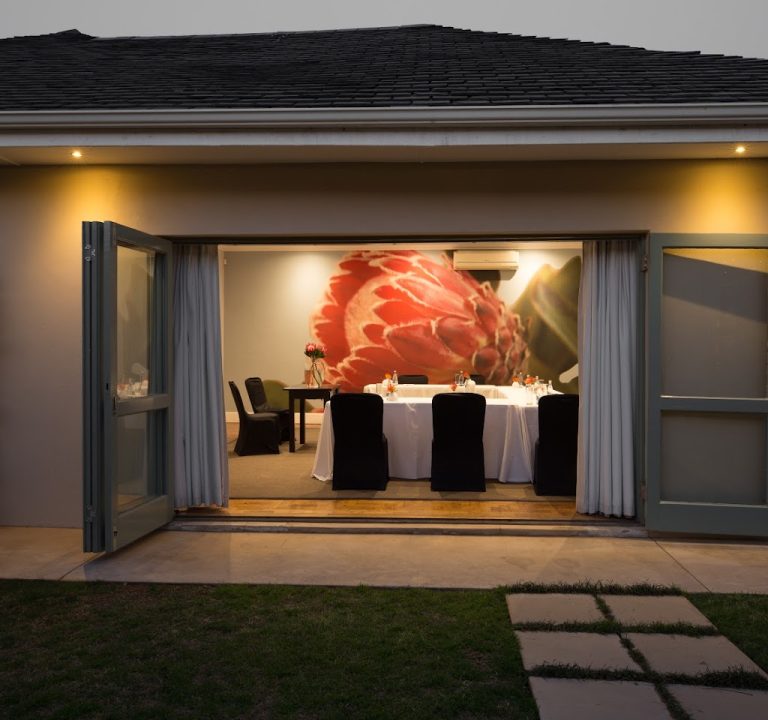
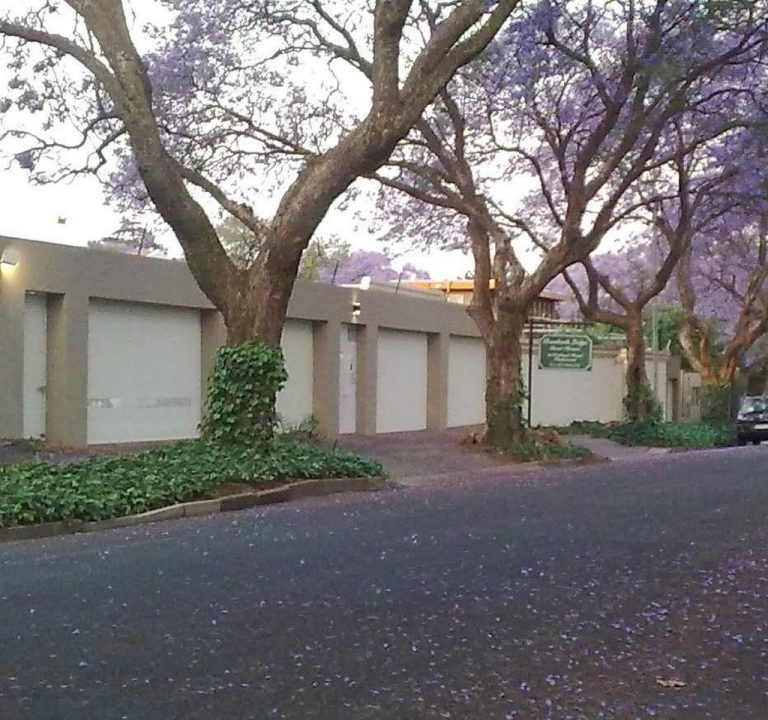
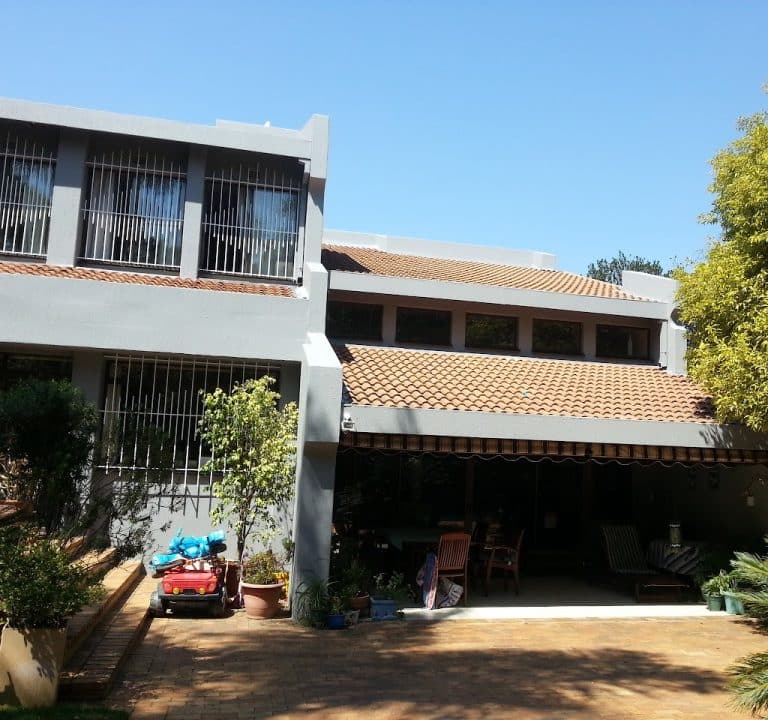
Johannesburg, often called Jo’burg or Joburg, is a dynamic gateway to South Africa’s Gauteng province. A well-chosen base can make it easy to explore the city’s vibrant neighbourhoods, museums, markets and dining scene, while a little planning helps you balance comfort, safety and value. For a quintessential stay in the city, consider a Bed & Breakfast such as Houghton Estate B&B, which sits in one of Johannesburg’s leafy northern suburbs and offers a more intimate experience than larger hotels.
Where to stay matters as much as what you do. The northern suburbs (including areas around the central business district) tend to offer easy access to business districts, heritage sites and boutique dining, while the southern and eastern neighbourhoods showcase a mix of cultural hubs and street markets. The Maboneng Precinct and Braamfontein are walkable options for those who enjoy a lively urban vibe with cafés, galleries and occasional live performances. If you’re seeking a tranquil atmosphere, you could opt for a characterful guesthouse in a residential area that combines garden spaces with convenient access to major roads and public transport.
When booking, look for the following amenities and features to ensure a comfortable stay. A good bed and quality linen are essential, along with reliable Wi-Fi, secure on-site parking or easy access to public transport, air conditioning or a fan for warmer days, and a well-equipped en suite bathroom. A light self-catering option or access to a common kitchen can be convenient for longer visits. Check whether breakfast is included and, if so, what it comprises—many B&Bs offer a generous continental or cooked option. If you’ll be travelling by car, confirm parking arrangements and any access restrictions after hours. In busy urban areas, 24-hour reception or a responsive host can make arrival and check-in smoother.
Typical accommodation types in Johannesburg range from B&Bs and boutique guesthouses to modern hotels and apartment-style lodges. A B&B such as the one mentioned above often provides a personal touch, with hosts who can offer local insights and tailored tips for moving around the city. Boutique guesthouses may feature distinctive decor, garden courtyards and communal spaces that make for relaxed evenings after a busy day of sightseeing. For families or groups, apartment hotels and self-contained suites offer space and convenience, along with access to shared facilities such as kitchens and lounges.
Transport in Johannesburg is best planned in advance. The Gautrain is a convenient rail option for longer hops between Sandton, Rosebank and the city centre, while Metrorail services connect various neighbourhoods. If you prefer door-to-door convenience, reputable ride-hailing apps operate in the city and surrounding suburbs. When budgeting for transport, consider traffic patterns, especially during peak hours, and plan extra time for meetings, airport arrivals or day trips. If you intend to explore beyond the city, you’ll find car hire routes from the central areas relatively straightforward, but always check parking policies at your accommodation and in your chosen neighbourhoods.
Best time to visit Johannesburg depends on your plans. The city enjoys a mild climate in many months, though it can be hot in summer and prone to afternoon thunderstorms. The dry, cooler months from May to September are popular for outdoor activities, including safaris slightly outside the city, city tours and strolls in parks. The summer period, from October to March, brings longer days and occasional heavy rain; it’s an excellent time to enjoy indoor museums and eateries when showers interrupt outdoor pursuits. If you’re planning outdoor experiences, pack versatile clothing, sun protection and a light rain jacket.
Other practical planning tips include budgeting for meals, tips and experiences. Johannesburg offers a broad spectrum of dining options, from casual street-food markets to refined venues. In the city’s diverse culinary scene, expect flavours drawn from various regions and an emphasis on fresh ingredients. For a balanced itinerary, mix cultural visits with time to simply wander a neighbourhood, browse markets, and sip coffee in a terrace café. When selecting activities, prioritise venues with good accessibility, clear safety information and a reputation for respectful visitor experiences.
What to see and do, in broad terms, spans history, art and nature. Iconic museums and heritage sites provide context on South Africa’s recent past, while galleries and street art districts showcase contemporary creativity. Outdoor enthusiasts can enjoy parks and city overlooks, and some areas offer guided tours that highlight architecture, local design and city development. For a well-rounded visit, allocate time for a guided neighbourhood walk to understand local life, as well as a longer day trip or excursion to nearby regions with distinctive landscapes.
- Book in advance during peak seasons or major events, and confirm cancellation policies.
- Check transport options from your accommodation to your planned activities, including parking and access for luggage or mobility needs.
- Pack adaptable clothing for variable weather and day-to-night temperature shifts.
- Prepare small change for tips, markets or rides and keep digital copies of your booking confirmations.
Overall, Johannesburg rewards visitors who plan with flexibility. A thoughtfully chosen base, easy access to transport, and a balanced mix of indoor and outdoor experiences will help you get the most from your stay, whether you are exploring the city’s rich history, enjoying its culinary offerings, or simply soaking up the energetic South African urban scene.