Johannesburg: Where to stay and what to do for a well-rounded visit
Johannesburg, or Jo’burg, is a city of contrasts, offering stylish stays, vibrant neighbourhoods and a wealth of experiences that illuminate South Africa’s past and present. When planning a stay in Gauteng’s largest city, consider not only where you want to sleep but also how you want to move around and what kind of activities you enjoy. A well-chosen base can make all the difference between a hurried itinerary and a relaxed, immersive break.
Accommodation options in Johannesburg range from boutique hotels and modern high-rise stays to guesthouses tucked into leafy suburbs. A popular choice for comfort and convenience is masterfully located options in Rosebank and Sandton, where easy access to business districts, dining streets and shopping hubs is a given. For visitors seeking a more contemporary, apartment-style feel with a hotel ambience, there are well-rated establishments such as properties marketed as suites or city hotels that prioritise both privacy and service. It’s worth reviewing the specifics of what each property offers—breakfast options, on-site parking, gym access, pool facilities, and room layouts—to ensure your stay aligns with your plans.
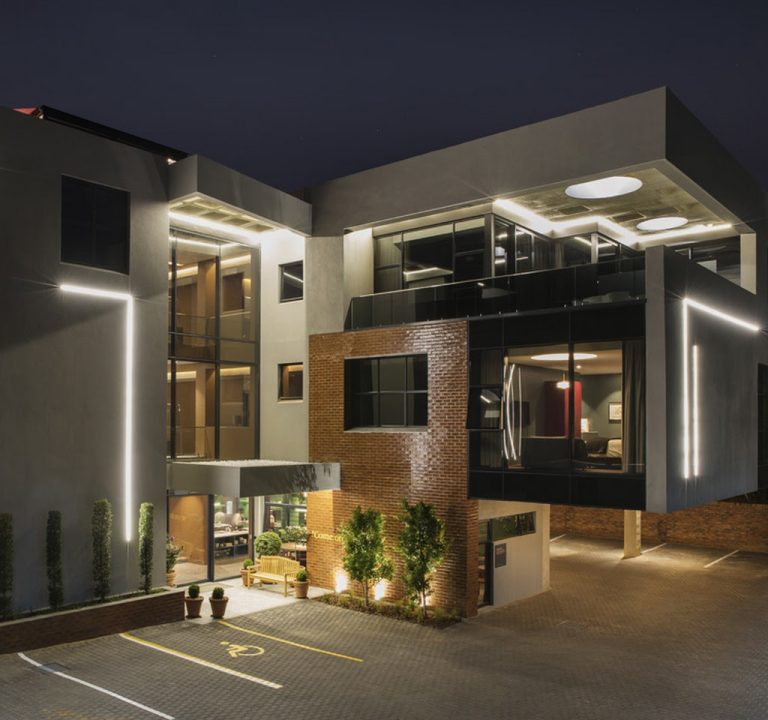
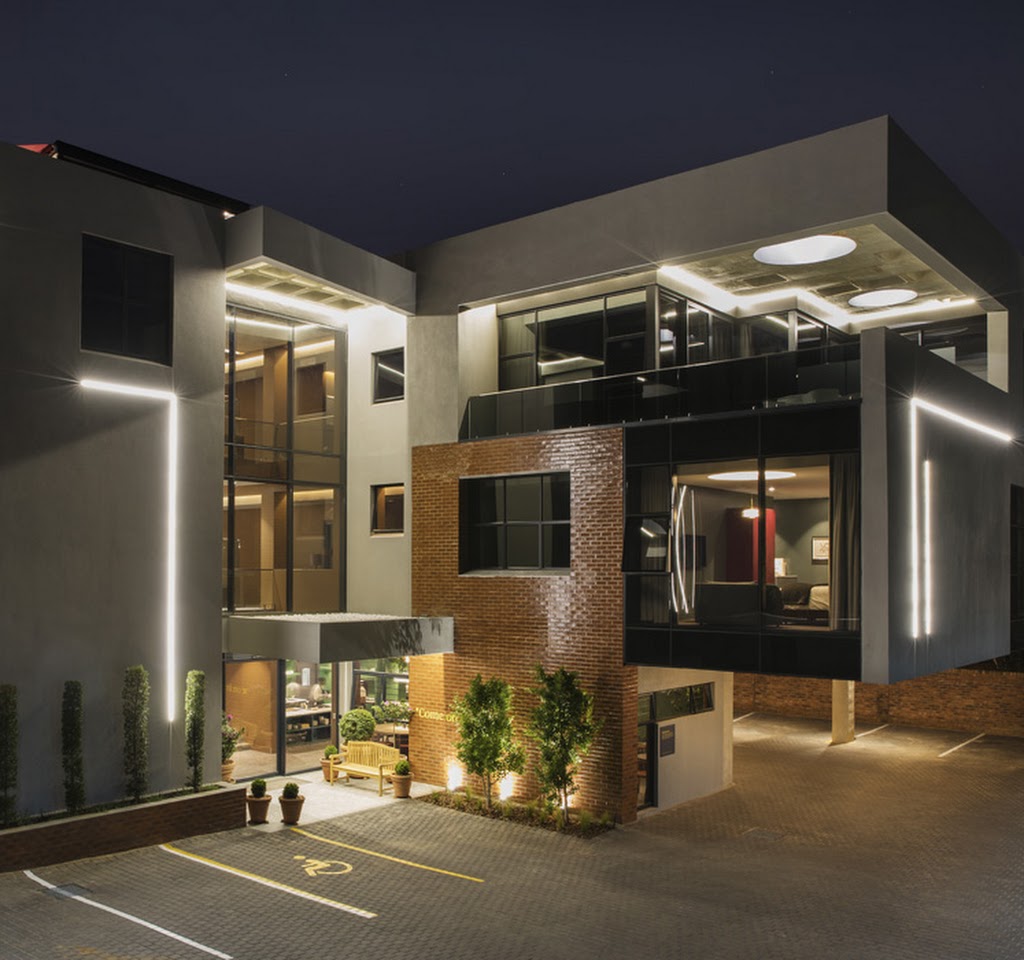
One example of a well-established base is a hotel group that operates in Rosebank, offering a central location close to business districts and easy links to public transport. You can explore their official site for details on rooms, packages and facilities that suit short breaks or longer stays. When selecting a place to stay, pay attention to:
- Location and accessibility: proximity to transport hubs, major roads, and your planned activities
- Security and parking: secure parking or 24-hour security in busy urban areas
- Guest services: reliable Wi-Fi, breakfast options (self-serve or full service), luggage storage
- Room features: workspaces, air conditioning, soundproofing, and storage
- Value for money: the balance of rate, inclusions and cancellation terms
In terms of areas to consider, Rosebank, Melville and Parkhurst offer a mix of convenient access to business and leisure options, with lively dining streets and galleries nearby. Sandton is renowned for its shopping districts and modern hotels, while Braamfontein and Maboneng provide a more urban, artsy atmosphere with plenty of dining and nightlife, as well as galleries and small venues. For a deeper cultural dive, Soweto can be reached for guided tours and a glimpse into the city’s historic heart, though travel times will vary with traffic.
When planning transport, Johannesburg benefits from a few reliable options. The Gautrain connects the city to Pretoria and the OR Tambo International Airport quickly and comfortably, making it a popular choice for longer journeys. In-campus or city centre stays are well served by rideshare apps and taxi services. If you are planning day trips outside the city or exploring multiple neighbourhoods in one day, a car hire can provide flexibility, though be mindful of peak-hour traffic and parking at the hotel. Many properties in central Johannesburg offer secure on-site parking or valet services, which can add convenience to a busy itinerary.
Typical amenities you might expect from a comfortable Johannesburg base include free-to-use Wi‑Fi, a restaurant or bar on site, a stylish lobby, and in-room workspaces. Some properties offer a breakfast service, while others provide a continental or hot breakfast option, which is convenient for starting early. For longer stays, features such as a fitness room, outdoor pool, laundry facilities, and self-catering units can be particularly appealing. If you prefer a quieter stay, look for rooms with good soundproofing and, where possible, a higher floor away from street noise.
The best time to visit Johannesburg generally aligns with mild conditions and a slower pace in the city’s outdoor spaces. The autumn months (March to May) and spring months (September to November) tend to offer pleasant weather for exploring parks, markets and outdoor areas. If you plan to visit museums and heritage sites, midweek visits can be more relaxed, with shorter queues and easier parking in busy districts.
When planning your itinerary, balance must-see attractions with downtime. In general terms, you can structure a stay to include a cultural day in historic or urban precincts, a morning or afternoon at a leading museum or gallery, and time to enjoy the city’s dining scenes—from casual markets to refined eateries. Guided tours can be a helpful way to gain context on South Africa’s history, while free or market-style experiences offer a chance to mingle with locals and taste regional flavours.
Practical tips for travellers include booking accommodation with clear cancellation terms, confirming inclusion of breakfast if needed, and checking transfer options from the airport. Pack comfortable walking shoes for urban exploring and layers for variable Gauteng weather. If you are staying in a busy neighbourhood, consider arranging accommodation with security-conscious features and reachable reception hours. For those seeking a specific vibe—boutique charm, spacious suites, or business-ready facilities—start with a shortlist of properties in Rosebank or Sandton and compare what each offers in relation to your planned activities.
For a concrete example of what a stay in Johannesburg can feel like, consider the resources of established hotel groups with properties in Rosebank. You can find their official site at Home Suite Hotels Rosebank for current room types, amenities and packages that suit a variety of itineraries. Ultimately, a well-chosen base in Johannesburg can streamline your transport, free you up to enjoy its markets and markets, and provide a comfortable retreat after a day of exploring the city.