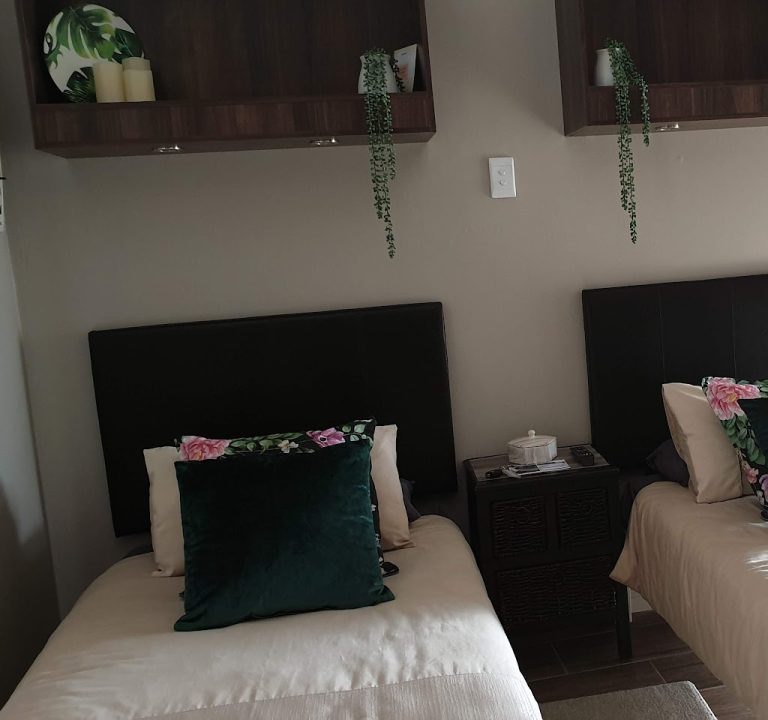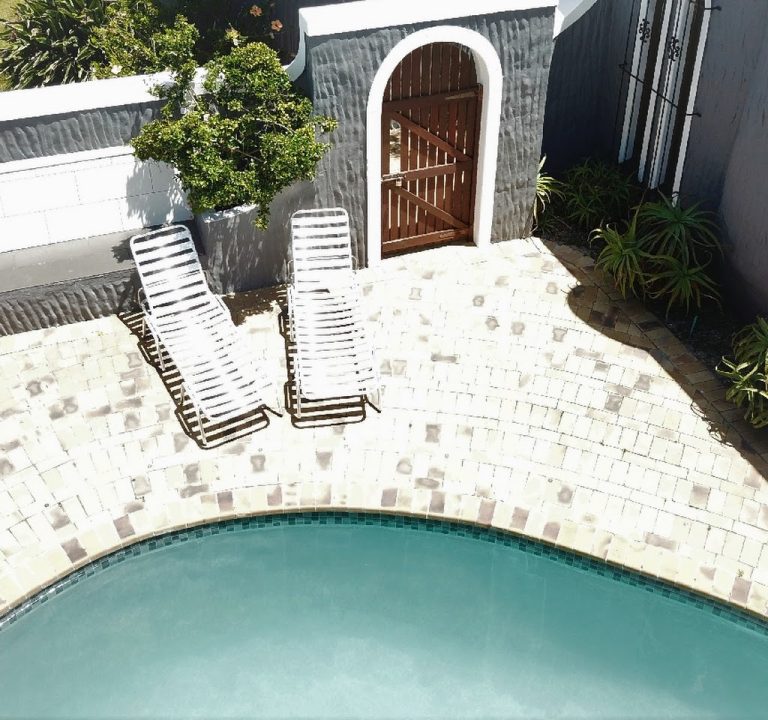
Panorama Indlu is a Gasthaus/Pension establishment in Cape Town, Western Cape, South Africa
About Panorama Indlu, Cape Town
Panorama Indlu sits within the vibrant Cape Town area of the Western Cape, offering a small collection of guest accommodation designed for travellers seeking comfort and character in a stylish setting. The property is represented online through a concise suite of room options, each highlighted on its own pages, allowing potential guests to explore the available accommodation at a glance and to navigate quickly to the details that matter most when planning a stay in South Africa’s iconic coastal city.
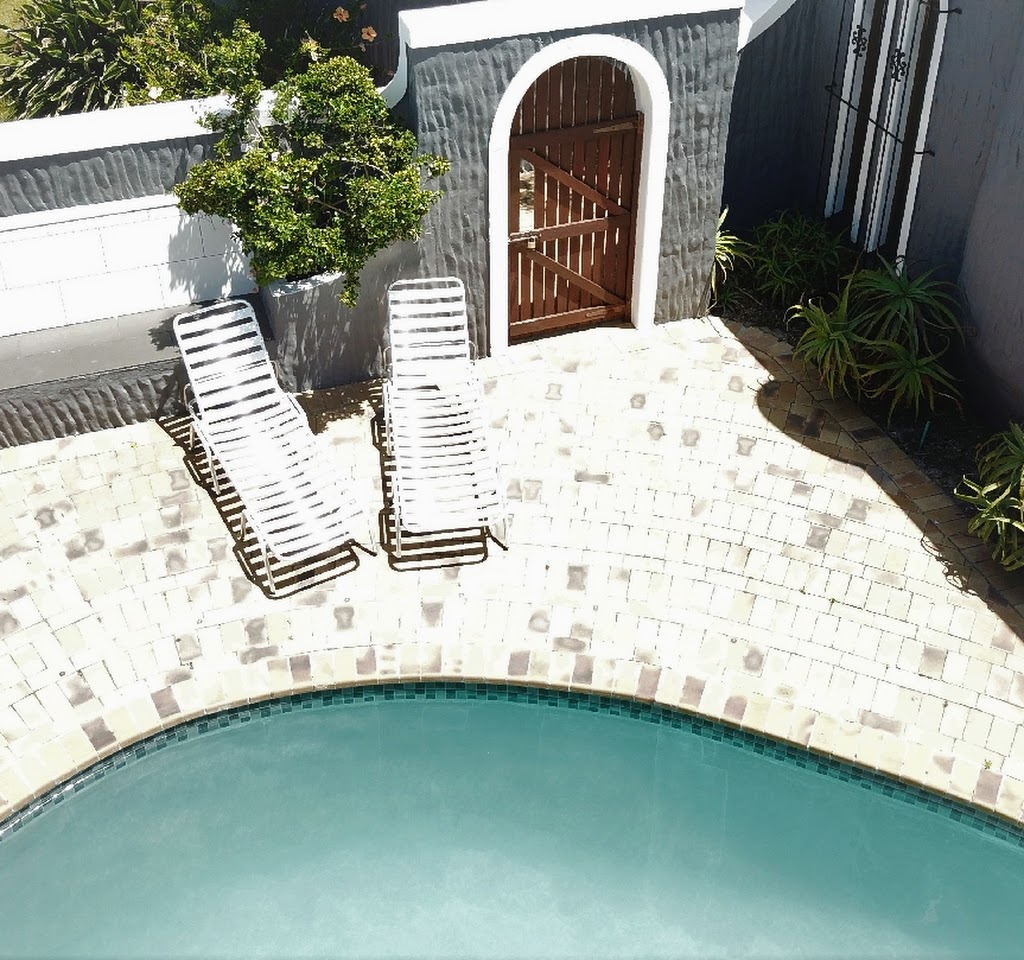
From the outset, the portfolio communicates a focus on variety within a cohesive design language. The Queen Room provides a straightforward choice for travellers who prefer a compact, well-appointed space, while the Superior Queen Room hints at a slightly enhanced milieu for guests who appreciate additional space or refined touches during a Cape Town stopover. For those seeking a more private, resort-like experience, the Deluxe Pool Villa suggests the presence of a dedicated pool setting, elevating the stay with its own outdoor appeal and a sense of retreat within the city’s pace. Additionally, The Indlu is presented as a separate guesthouse option, enlarging the guest accommodation spectrum and offering an alternative vibe within the same destination.
Booking information is integrated into the site’s structure via a dedicated “How To Book” section, providing guidance on how prospective guests can secure their preferred dates. This emphasis on a clear, straightforward booking process reflects a traveller‑friendly approach, reducing friction for those arranging Cape Town itineraries from abroad or within South Africa.
While the site content does not enumerate every amenity in exhaustive detail, the presence of multiple room configurations signals a commitment to catering to a range of guest needs. The assortment of accommodation styles—ranging from intimate rooms to a self-contained villa—suggests flexibility for different group sizes, from solo travellers and couples to small families or friends sharing a private space. This versatility can be appealing to visitors who want a base in Cape Town with the option to tailor the experience to their preferred level of privacy and comfort.
Panorama Indlu is positioned as a local option that travellers can explore through its own pages, with links to individual room profiles and to essential information such as how to book, contact details, and an About Us section. The architecture of the site presents a clean, navigable flow, enabling visitors to move quickly between room types and key informational pages, which is particularly helpful for international travellers assembling an efficient planning timeline for a Cape Town stay.
Who the property is best suited for is implied by the range of accommodations on offer. The Queen Room and Superior Queen Room are likely to appeal to couples or solo travellers seeking comfort in a well-kept space with straightforward access to the city’s amenities. The Deluxe Pool Villa points to guests who value additional privacy and the allure of a private pool atmosphere, possibly suiting longer stays or special getaways where a touch of luxury is desirable. The Indlu, described as a guesthouse option, may attract guests seeking more intimate, homelike surroundings that still benefit from the area’s accessibility and character. In essence, Panorama Indlu seems designed to accommodate a spectrum of travellers while maintaining a cohesive identity across its listings.
For visitors planning a Cape Town visit, nearby highlights are a natural consideration, and while the site itself does not itemise specific attractions, the property’s Western Cape setting places it within reach of the region’s renowned scenery, cultural offerings and outdoor experiences. Guests are encouraged to consult a local map or travel guides to connect with Cape Town’s vast array of highlights—from coastal promenades and iconic viewpoints to markets, vineyards, museums and the city’s vibrant culinary scene. When arranging an itinerary, travellers can use the site’s main navigation to explore room options, learn about the booking process, and reach out via the provided contact channels for any clarifications before booking.
Booking and travel tips briefly distilled for convenience: customers are advised to review the individual room profiles for the Queen Room, Superior Queen Room, Deluxe Pool Villa, and The Indlu to understand the layout and potential privacy levels that each option offers. Using the “How To Book” page provides a clear path to securing dates, and consulting the “About Us” section can offer additional context about the property’s approach and guest services. The site’s structure ensures all essential touchpoints—accommodation choices, booking instructions, and contact information—are accessible from a single hub, with website links provided for direct access to more detailed content.
- Explore the Queen Room, Superior Queen Room, Deluxe Pool Villa, and The Indlu to compare space, style and privacy levels.
- Check the How To Book page for a straightforward reservation path.
- Visit the About Us section to gain broader context about Panorama Indlu and its guest philosophy.
- Plan a Cape Town itinerary by pairing the stay with nearby sights and experiences in the Western Cape region.
For more information and to view the available rooms, visitors can browse the site at indlu.info, where the accommodation options and booking guidance are laid out in a clear, user-friendly format.
Cape Town
Western Cape
7500
South Africa
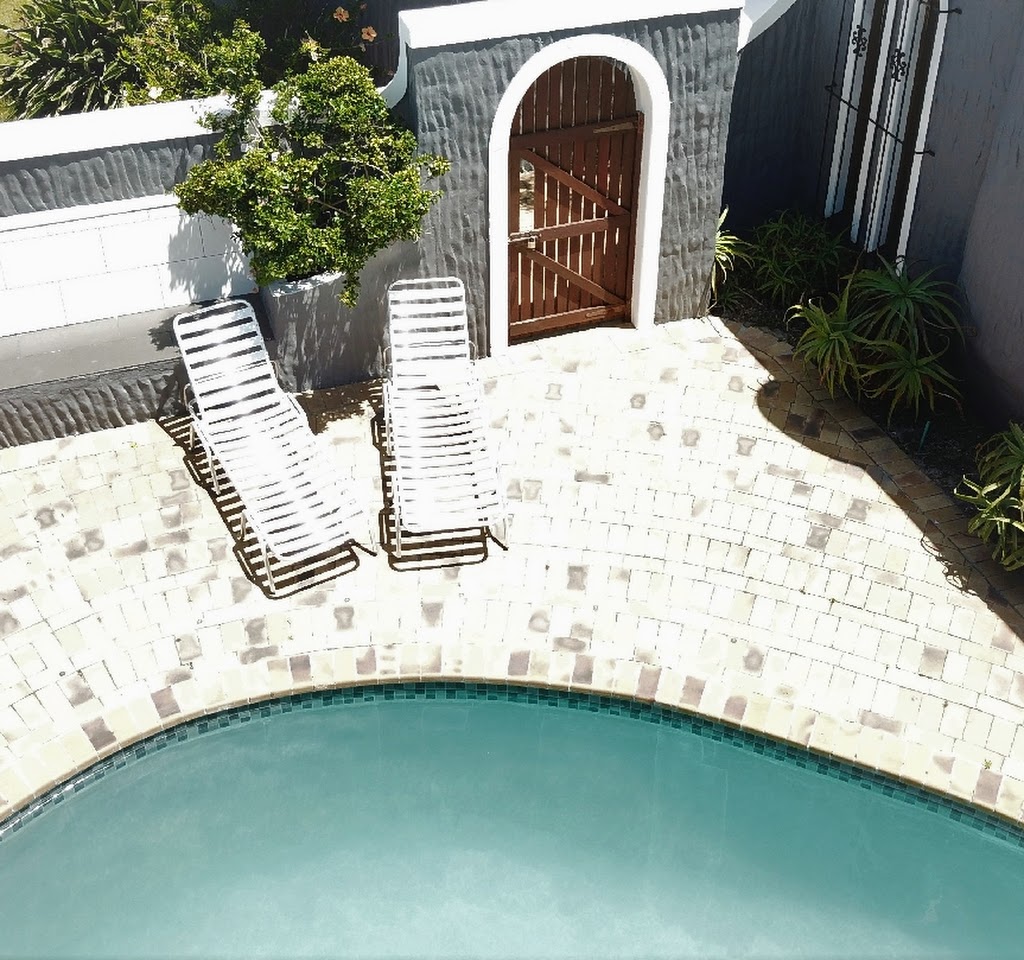
Staying in Cape Town: where to stay, what to book, and how to enjoy the city
Cape Town offers a wealth of accommodation styles to suit every traveller, from cosy guesthouses tucked into quiet neighbourhoods to contemporary hotels along the Atlantic coast. Planning a stay begins with choosing a neighbourhood that matches your sightseeing goals, pace, and preferred ambience. Whether you want dramatic Table Mountain views, easy access to beaches, or a vibrant urban scene with restaurants and markets, you’ll find options that suit your itinerary and budget.
Areas to consider include the City Bowl for easy access to the central sights, the V&A Waterfront for harbour ambience and family-friendly activities, and the Atlantic Seaboard for longer beaches, dramatic scenery, and a more upmarket feel. Constantia and Muizenberg offer a quieter, leafy contrast, with wine routes nearby and a milder street life. A mid-range option like a guesthouse or boutique hotel in Panorama or the southern suburbs can provide comfortable stays with a more intimate, residential atmosphere. When selecting accommodation, look for good transit links, on-site parking if you’ll drive, secure access, and friendly staff who can offer local tips on timing your visits to crowded sights or seasonal events.
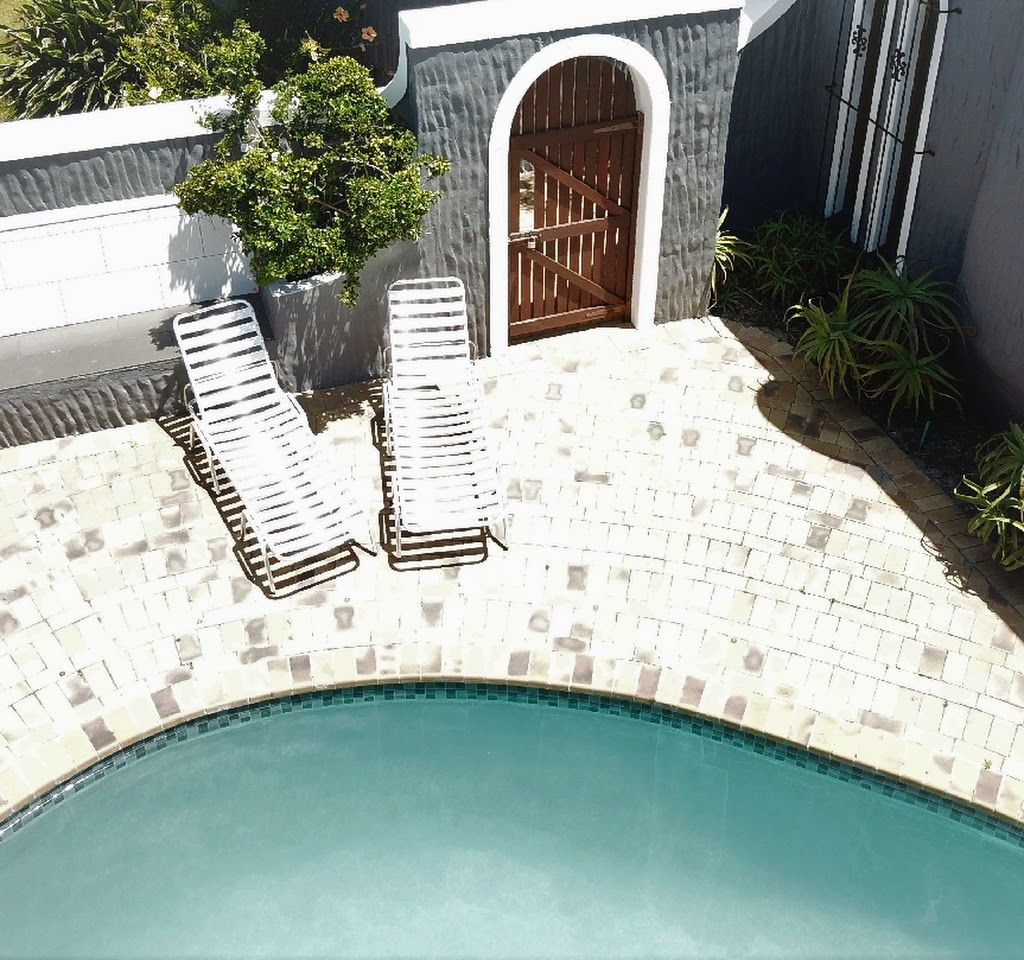
Typical amenities you might expect in well-rated options include daily housekeeping, reliable Wi‑Fi, and a well-equipped private bathroom. Some properties offer inclusive breakfast, which can simplify morning plans, while others provide self-catering facilities or a shared kitchen for longer stays. Pools, outdoor spaces, and shaded patios are valued features in warmer months, particularly for travellers wanting a relaxing retreat after a day of sightseeing. If you’re seeking a more immersive stay, a guesthouse with a home-style atmosphere or a small lodge near a nature reserve can add a memorable dimension to your visit.
Transport is a practical consideration in Cape Town. The city has a growing public transit network, including MyCiTi buses and regional rail, which can help you reach popular sights without relying entirely on car rental. If you plan to explore the Constantia Valley, the Cape wine routes, or the Cape Point route, a hire car offers the greatest flexibility. Many guesthouses and boutique hotels offer on-site parking, and some arrange airport transfers or guided day trips to nearby attractions. For shorter hops, ride-hailing services are widely used and convenient, especially if you plan evenings out in areas like the city centre or the Atlantic coast.
Best time to visit Cape Town depends on what you want to do. The city’s peak sunshine months are generally from November to March, ideal for beach days and outdoor activities, though afternoons can be windy on some coastal stretches. Spring and autumn (September to November and March to May) offer pleasant temperatures, fewer crowds at popular sights, and great light for photography. Winter, from June to August, brings cooler weather and a chance of rain, but it can still be a good time to explore cultural venues, markets, and indoor experiences. Pack layers, a sunhat, sunscreen, and a lightweight waterproof layer for sudden showers, especially if you plan outdoor excursions up Table Mountain or along the Cape coastline.
When planning, consider a mix of iconic attractions and slower-paced experiences. Iconic sights like Table Mountain, the harbourfront, botanical gardens, and the Cape Peninsula offer inspiring photo opportunities and memorable stories. For a broader experience, you can balance a day of city sightseeing with a visit to nearby nature reserves, beach towns, and coastal walks. Food lovers will find diverse dining options, from casual markets and seaside eateries to refined venues reflecting Cape Town’s multicultural influence. Rather than list specific restaurants here, look for places with seasonal menus, locally sourced ingredients, and friendly service, and be prepared to book ahead during peak seasons.
Booking tips to keep in mind:
- Check access times and whether the room has private or shared facilities.
- Ask about breakfast options, parking availability, and Wi‑Fi reliability.
- Inquire about proximity to public transport routes and recommended walking distances to sights.
- Read guest reviews for notes on noise levels, cleanliness, and helpfulness of staff.
- Look for flexible cancellation policies in case plans change.
For an example of the type of accommodation you might encounter, consider properties that resemble a guesthouse or small lodge, such as Panorama Indlu, which provides a home-away-from-home atmosphere and a central website hub for booking and information. Visiting the property’s official site can give you a sense of room types, typical decor, and how the staff curate guest experiences. A link to a trusted booking source or the property’s own site can help you compare rates, rooms, and inclusions without having to chase multiple listings.
Finally, make a practical plan for your days: map a rough itinerary that clusters sights by neighbourhood to minimise backtracking, leave plenty of time for scenic drives along the coast, and reserve some evenings for casual dining or a sunset drink with city views. Cape Town rewards travellers who blend well-chosen accommodation with thoughtful pacing, enabling you to enjoy both its famous landmarks and its quieter, characterful corners.
Sorry, no records were found. Please adjust your search criteria and try again.
Sorry, unable to load the Maps API.
Why Claim Your Listing?
Claiming your listing on the B&B Finder directory website is a valuable opportunity for business owners. Here are five reasons why you should consider claiming your listings:
Control Over Business Information: By claiming their listing, business owners can ensure that all the information presented is accurate and up-to-date. This includes details such as contact information, address, pricing, and available services or amenities. Accurate information helps prevent customer confusion and improves overall satisfaction.
Enhance the Listing: Once a listing is claimed, owners can enhance it by adding more comprehensive information and rich media, like high-quality photos and videos. These additions can make the listing more attractive and engaging to potential customers, thereby increasing the likelihood of bookings.
Marketing Opportunities: Claiming a listing can also open up additional marketing opportunities. Owners may be able to participate in promotional campaigns, special offers, and other marketing activities organized by the directory. This can increase visibility and attract more customers to the business.