Capturing Cape Town: Where to Stay and What to Do
Cape Town, perched between ocean and mountain, offers a broad spectrum of accommodation and experiences that suit every style and budget. From cosy guest houses tucked away in leafy neighbourhoods to contemporary boutique hotels with sea views, the city invites visitors to shape a stay that suits their interests. Planning ahead helps you maximise time, minimise travel, and soak up the city’s unique sense of place.
When choosing where to stay, consider how you want to structure your days. If you’re drawn to panoramic views and easy access to the city’s iconic landmarks, a base in the Atlantic Seaboard or the City Bowl can be ideal. If you prefer a calmer backdrop with a village vibe, areas along the Atlantic coast or along the slopes of the Table Mountain National Park offer a relaxed pace and plenty of character. For a more authentic, residential feel, look for guest houses and smaller hotels in neighbourhoods that blend convenience with local charm.
In terms of accommodation, Cape Town is rich in options. Guest houses and boutique hotels often provide personalised service, a more intimate atmosphere, and breakfast-inclusive rates that help you start the day well. Many properties feature common areas such as sun decks, courtyards, or rooftop lounges with views of the city or ocean. Practical features to look for include secure parking, 24-hour reception or on-site staff, free Wi‑Fi, and clear access routes to main sights. If you value sustainability, seek properties with energy-saving practices or local sourcing of ingredients for breakfast or dining room offerings.
Table Mountain casts a long shadow over many stays, and it’s worth choosing a location that makes your ascent or descent convenient. Some guests prioritise proximity to the Cableway for early-morning trips, while others prefer quieter streets that still offer easy access to hill trails and coffee spots. If you plan long days of exploration, a room with blackout curtains and a comfortable bed becomes a practical priority, alongside reliable air conditioning or heating for the varying seasons.
Practical planning tips include understanding transport options. Cape Town is well-served by a city transport network and rideshare services, but road conditions and traffic can vary by area and time of day. If you’re renting a car, check on-site parking policies and the ease of parking at popular sights. For travellers relying on public transport, choose locations near major routes or within walking distance of cafés and markets to reduce daily travel. Many guest houses offer handy tips or small maps to help you navigate local routes, hikes, and dining rooms.
The best time to visit Cape Town depends on what you want to do. The spring and autumn shoulder seasons bring mild weather and fewer crowds, making it pleasant for outdoor activities and city wandering. Summer offers long days and excellent conditions for beaches and outdoor restaurants, but it can be busy around popular sights. Winter temperatures are cooler and wetter, which can be ideal for gourmets seeking cosy eateries and museums, or for those who want to explore wine regions nearby with fewer visitors. Regardless of when you travel, daylight hours and sea breezes shape daily plans, especially for those who intend to hike Table Mountain or stroll along the Atlantic coast.
When it comes to experiences, Cape Town offers a broad spectrum without needing to travel far. Iconic landscapes such as the harbour, beaches, and the mountain backdrop form a dramatic setting for outdoor activities. Cultural experiences range from markets and art galleries to historic neighbourhoods and harbour tours. Restaurants cover a wide spectrum—from casual bistros and cafés to refined kitchens that showcase South African produce. You’ll find chefs using fresh seafood, regional wines, and seasonal vegetables to craft light, vibrant plates that pair well with the city’s wine routes.
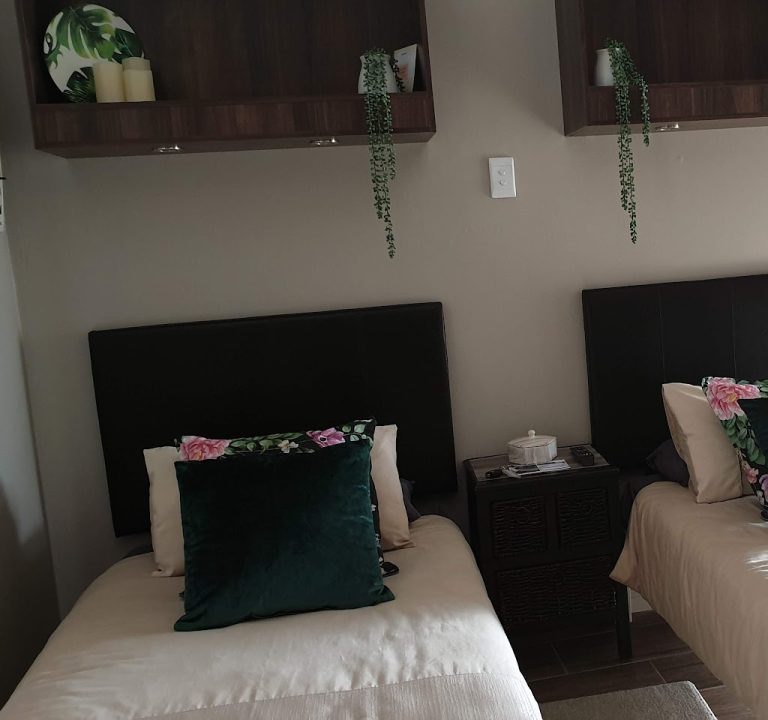
One example of accommodation in this city is Table Mountain View Guest House, a guest house that sits in a convenient position for visitors who want easy access to nature and city life while staying in a welcoming, homely setting. Guests may appreciate rooms with views, shared spaces for socialising, and proximity to hiking trails or coffee shops. While staying in a guest house like this, plan mornings to take in sunrise from a vantage point, followed by a leisurely breakfast before setting out for a day of exploration.
To help you structure your trip, here is a practical outline to consider during planning:
- Identify two or three areas as anchors for your stay (for example, city central for access to museums and dining, or a coastal neighbourhood for beach days and sunset views).
- List your must-see experiences (Table Mountain, Table Bay coastline walks, markets, and museums) and plan rest days around peak heat or crowds.
- Check what amenities your accommodation offers (private parking, on-site dining, laundry facilities, breakfast options) and how they align with your itinerary.
- Estimate transport needs, balancing walking, rideshares, and occasional car hire for day trips to wine estates or nature reserves.
- Reserve a flexible plan for the first and last days to accommodate flight times and potential jet lag, with room to explore local cafés or slow strolls along the waterfront.
In short, Cape Town rewards thoughtful planning and a willingness to mix time between gentle days of harbour-wandering and energised hikes or city explorations. By choosing accommodation with a charactersful sense of place and easy access to transport links, you’ll find yourself free to immerse in the city’s textures—its landscapes, its cuisine, and its warm, welcoming people. A well-balanced itinerary can blend remarkable views, restful stays, and memorable meals, allowing you to depart with a sense of having experienced Cape Town rather than merely visited it.