Cape Town: A Practical Guide to Accommodation, Attractions and Local Experiences
Cape Town offers a rich mix of guest houses, boutique hotels, and self‑c contained apartments that suit a range of travel styles. When staying in the Western Cape’s staple city, consider the character of each neighbourhood alongside practicality such as access to transport and your preferred pace of day. A stay centred around 18 Jan Kemp Street can provide a convenient base for exploring the Atlantic Seaboard, the city bowl, and nearby coastal trails, while allowing easy access to the natural beauty that surrounds the metropolis.
Areas to consider for your stay include the compact, action‑packed city centre and the V&A Waterfront precinct, which are well suited to walkers and convenience seekers. The Atlantic Seaboard—the stretch from Green Point through Camps Bay to Clifton—offers sea views, beaches, and a more relaxed vibe. For a more bohemian or industrial atmosphere, look to Woodstock or the Old Biscuit Mill area, where modern guest houses and eco‑friendly lodges sit among cafés and markets. Bo‑Kuap or de Waterkant provide a colourful mix of culture and cuisine with short hops to national parks and wine regions a little further afield. Each area has its own rhythm, so align your booking with what you want from your days, whether it’s sunrise hikes, museum visits, or long, leisurely meals by the sea.
When booking accommodation, accessibility and layout are key. If you favour privacy and self‑contained space, opt for a suite or apartment with a separate entrance and a kitchen or kitchenette. For a longer stay, a guest house or small boutique hotel that offers a generous breakfast and a friendly reception can significantly ease daily planning. Look for reliable Wi‑Fi if you plan to work or stay connected, and check whether the property provides air‑conditioning, heating, and climate control for Cape Town’s variable weather. Consider parking arrangements if you are driving, as well as proximity to public transport, taxi services, or ride‑hailing options, which can be particularly useful at night or when visiting hillside viewpoints.
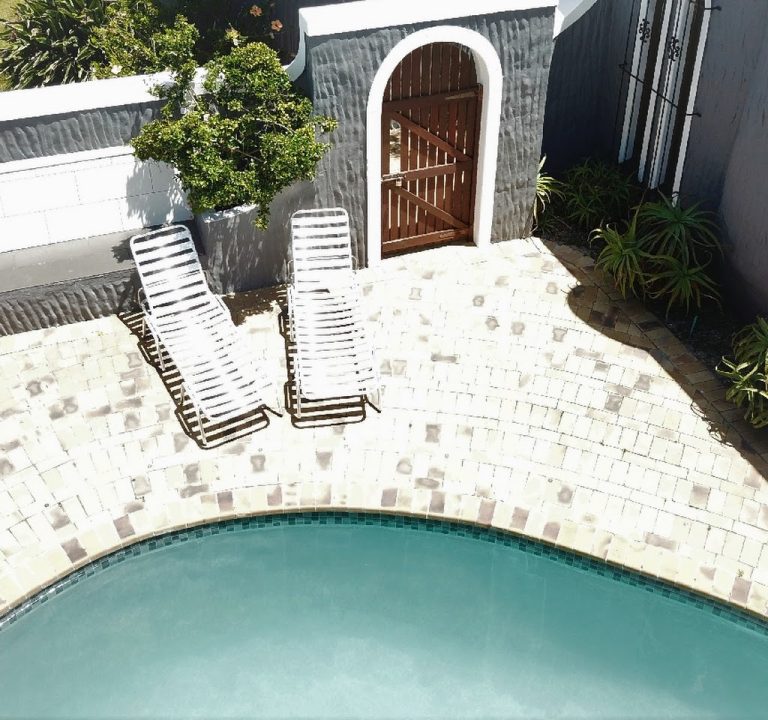
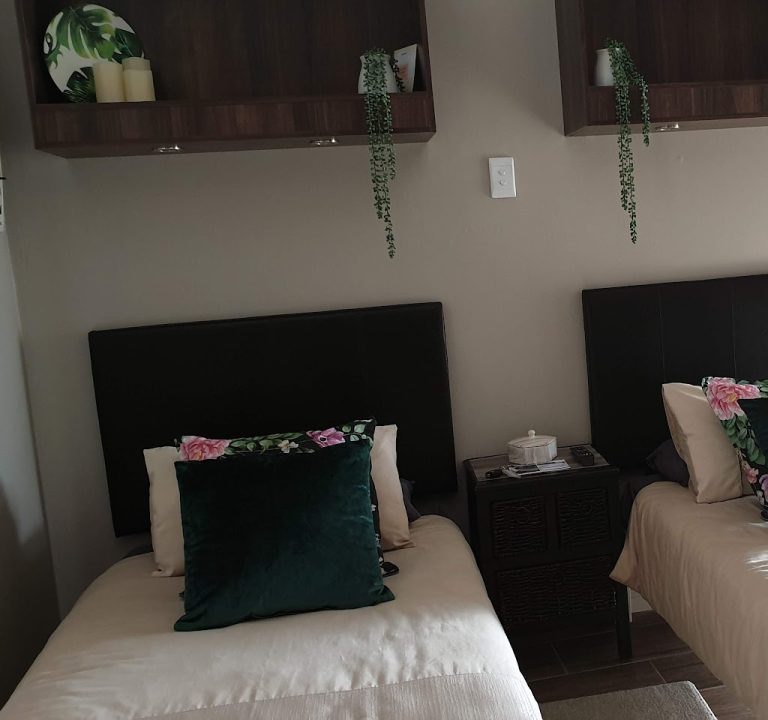
Typical amenities to expect in many Cape Town guest houses and hotels include en suite bathrooms, in‑room refreshments, and communal spaces such as a lounge or terrace with views. A well‑run property often includes a helpful front desk or host who can offer local tips on safe routes, day trips, and dining reservations. If you value sustainability, look for properties that emphasise energy efficiency, recycling and water‑saving practices, which are increasingly common in the region.
Practical planning tips for a balanced itinerary:
- Plan around daylight hours for certain activities, particularly if you will be hiking Table Mountain or exploring coastal trails where weather can change quickly.
- Allow time for a day trip beyond the city to nearby winelands, coastal towns, or nature reserves, to gain a broader sense of the Western Cape’s landscape.
- Book restaurant reservations ahead of peak times, especially in popular neighbourhoods and on weekends, to avoid disappointment.
Transport in Cape Town is varied and practical. The MyCiTi bus network covers many parts of the city, though some routes are more frequent than others, so it is wise to plan ahead. Taxis and ride‑hailing services are widely available, particularly in the city centre and along the Atlantic Seaboard. If you are staying in a guest house or a boutique hotel, ask your host or reception for the best local transport options and any safety considerations for night travel. Walking is rewarding in many areas, especially around the city bowl and coastal promenades, but always be mindful of elevated streets and uneven pavements in older parts of the city.
Best time to visit Cape Town depends on your priorities. The dry, sunny months from late summer to early autumn are popular for beach days and outdoor activities, while spring brings a colourful display of flowers and milder temperatures. Winter can be cooler and wetter, but it also brings fewer crowds and excellent value for accommodation. If your trip centres on outdoor adventures, plan for mornings with calmer seas and afternoons with cooler breezes along sea cliffs or Table Mountain routes. Always check the forecast and be prepared for wind, which can affect plans around the coast and on elevated viewpoints.
Avoiding crowds at key sights is easier with a flexible plan. Start days early at popular viewpoints or hiking trails, then spend afternoons visiting indoor attractions or enjoying lunch at a shaded cafe. For a balanced experience, blend a day focused on urban culture—markets, galleries, and neighbourhood eateries—with a day immersed in nature, whether on the city’s green lungs like Table Mountain Reserve or along the Atlantic coast. When selecting a base, consider how much time you want to devote to travel versus resting, and select a property that feels like a comfortable home base for your pace.
Beyond accommodation, Cape Town offers a wealth of experiences suitable for varied interests. You might enjoy scenic coastal drives, guided nature walks, or food and wine tastings in nearby neighbourhoods. Most guests find that a mix of city exploration, outdoor adventure, and seaside meals creates a well‑rounded itinerary. For those who appreciate culture and conversation, allow time to wander markets and cafés that showcase local crafts, music, and street life, while taking care to observe local safety guidance and respectful travel practices. To plan further details, you can explore official tourism resources and reputable travel sites that outline notable attractions and dining possibilities in general terms, without promising specific names or prices. For a practical base near 18 Jan Kemp Street, a guest house or small hotel can offer a friendly, residential atmosphere with easy access to both city sights and coastal routes via short transit links.