Where to Stay in Cape Town and How to Plan a Memorable Visit
Cape Town offers a rich mix of scenery, culture and cuisine, making it a compelling destination for a short break or a longer stay. When choosing accommodation, travellers can tailor their choice to the city’s distinct neighbourhoods, each with its own character, access to sights and pace of life. From stylish bayside stays on the Atlantic Seaboard to leafy guesthouses in the Constantia valley, there are options to suit most budgets and preferences. Planning ahead helps you balance convenience with atmosphere, and maximises your time for exploring the region’s acclaimed attractions and experiences.
Key areas to consider include:
- Atlantic Seaboard (including Sea Point and Camps Bay): dramatic sea views, easy access to beaches and the promenade, and a lively dining scene. Ideal for travellers who want proximity to the coast, outdoor runs, and sunset vistas.
- City Centre and the Company’s Garden district: central for business travellers or those who want quick access to museums, markets and nightlife. Typically well connected to public transport and day trips.
- V&A Waterfront and Green Point: hotel-style stays with a focus on convenience, harbour views, and convenient transport links to tours and ferries.
- Constantia and the Constantia Valley: quieter, more residential, with easy access to wine estates, hiking trails and serene garden settings. Suited to travellers seeking a peaceful retreat with a touch of countryside near the city.
- Southern Suburbs and nearby suburbs: good for families and longer stays, often offering more space or self-catering options, with easy routes to Kirstenbosch and the city’s southern beaches.
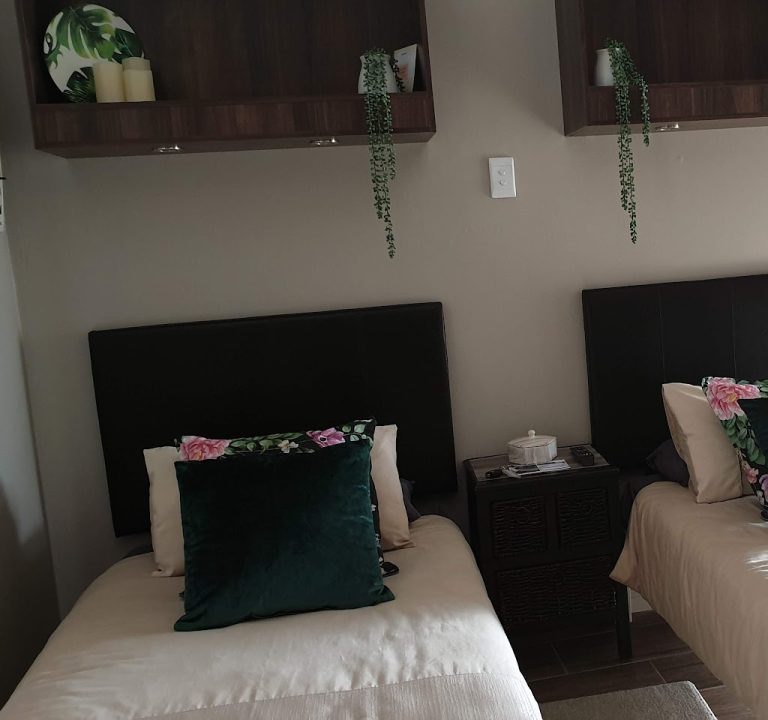
When booking, look for a few common features that improve the stay. A well-equipped kitchen or kitchenette is invaluable for flexible dining, particularly if you plan long weekends or family trips. A comfortable bed, good lighting, reliable Wi‑Fi, and air conditioning or heating help you settle in regardless of the season. A dedicated living area, laundry facilities, and secure parking can be significant conveniences in a city where traffic and parking vary by neighbourhood. If you prefer a hotel or guesthouse ambience, check whether the property offers daily housekeeping, 24-hour reception, or on-site facilities such as a pool or gym. For self-catering options like Panorama Self Catering, confirm the extent of utensils, cookware and the reliability of appliances to avoid last-minute shopping when you arrive.
Transport in Cape Town is workable for most visitors. Public transit options include the MyCiTi bus network and regional services that connect the city with popular day-trip spots. Car hire offers maximum flexibility for coastal drives along the Atlantic Seaboard, visits to wine estates, and excursions to the Cape Point reserve. Taxis and rideshares are widely available, with rides typically straightforward to arrange from most central locations. Consider your itinerary when choosing a base: a shorter stay focused on city sights might benefit from central accommodation with easy walking access to attractions, while a longer break could be well-suited to a quieter base near wine routes or mountain trails.
Best time to visit Cape Town depends on what you want from your trip. Spring (September to November) and autumn (March to May) generally offer mild weather, fewer crowds in major sites, and pleasant walking conditions. December to February is peak season, when beaches are busiest and tables at popular restaurants can fill quickly. If you are willing to travel shoulder seasons, you may find more competitive rates and a calmer pace, while still enjoying good weather for outdoor activities such as hiking up Table Mountain, visiting botanical gardens, or exploring coastal trails. Always check local event calendars, as major markets, food events and cultural happenings can influence availability and prices for accommodation.
Practical planning tips for a smooth stay:
- Secure a flexible booking where possible, with clear cancellation terms, in case your plans change.
- Request a map or notes from your host about safe neighbourhoods, best walking routes, and recommended eateries to try in the area.
- Pack appropriate layers for quick-changing coastal weather and sun protection for outdoor days.
- Plan day trips with some buffer time for weather or popular sights, particularly in peak season.
- Consider guided experiences or light itineraries to balance iconic sights with lesser-known neighbourhoods and markets.
When it comes to must-see experiences, Cape Town offers a broad range of options. Natural highlights include the iconic mountain backdrop, dramatic coastal scenery and excellent garden spaces. Cultural and historic insights can be found in museums and galleries that tell the story of the city’s diverse communities. For food lovers, the city’s restaurants showcase a spectrum of flavours, from modern, light-filled venues to informal eateries near the waterfront. For a relaxed day, you could stroll along the harbour and markets, then enjoy a lookout point with ocean views. For nature lovers, a visit to surrounding nature reserves or a scenic drive along the coast can be a rewarding day trip. For more practical planning and inspiration, reputable tourism resources offer up-to-date guidance on routes, safety, and seasonal activities. Websites such as official city and tourism portals provide practical information on weather, transport options, and the most convenient ways to access top attractions from your chosen base.