Cape Town: Accommodation, attractions and planning your stay
Cape Town sits at the junction of dramatic landscapes, rich history and a vibrant dining scene, making it a standout destination for travellers seeking a mix of city culture and natural splendour. When planning a stay, the choice of neighbourhood can shape your daily rhythms as much as the property you choose. From harbour views in the V&A Waterfront precinct to hillside tranquillity in Constantia, or the sun-washed beaches along the Atlantic Seaboard, there are options to suit every style and budget.
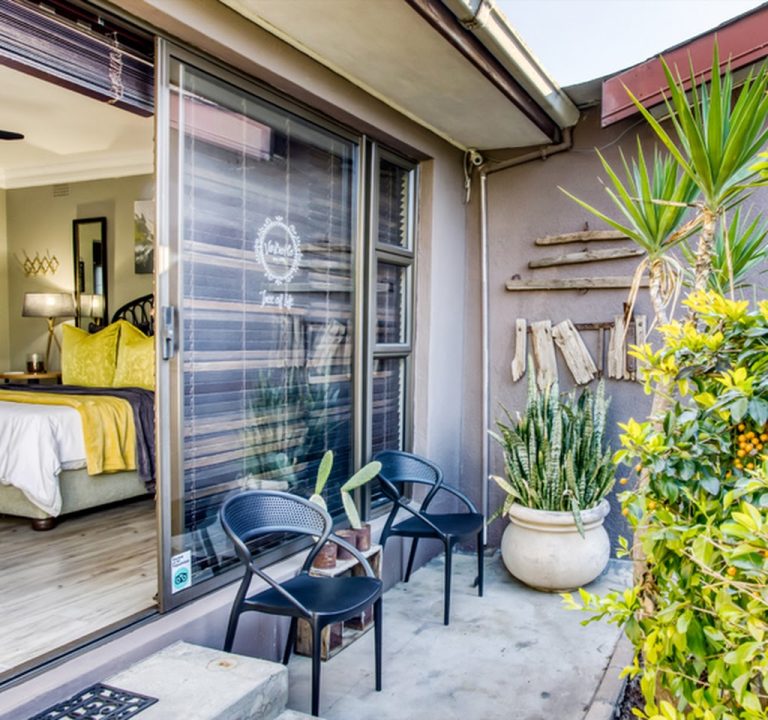
For those considering self-catering or serviced apartments, Panorama Self Catering 2 is an example of how flexible stays can be. Such properties often provide a practical base for families or travellers who prefer to cook and come-and-go at their own pace. When booking a self-catering or guesthouse stay, look for clear access to a well-equipped kitchen, reliable Wi‑Fi, comfortable sleeping arrangements and a sensible check-in process. A short work trip or a longer cultural exploration can hinge on the ease of arrival after travelling time and the convenience of on-site facilities.
Neighbourhoods to consider include:
- City Centre and the Foreshore: central access to business hubs, museum districts, and easy connections to airport shuttles and express roads.
- V&A Waterfront: a lively maritime setting with a cluster of restaurants and harbour walks, ideal for first-time visitors and family stays.
- Atlantic Seaboard (Sea Point to Camps Bay): coastal paths, sea breezes and panoramic views; great for those who want quick beach access and stylish dining options.
- Green Point and De Waterkant: a stylish mix of boutique stays, parks and cafés, with convenient transport links to the stadium and city sights.
- Constantia and the Southern Suburbs: hill views, wine estates and peaceful streets; suited to travellers seeking longer rests and restful evenings.
When choosing a property, consider these practical factors:
- Accessibility and transport: proximity to MyCiTi bus stops, easy routes to the airport, and whether parking is included if you plan to hire a car.
- Light and space: many travellers value bright living areas, a comfortable bed configuration and good sound insulation for restful nights.
- Self-catering facilities: an equipped kitchen, a reliable stove, a decent fridge and adequate storage will boost convenience for longer stays.
- Security and neighbourhood safety: check secure entry systems, well-lit surroundings, and the reputation of the area.
- House rules and check-in: flexible check-in options, clear directions, and reliable communication can save time on arrival.
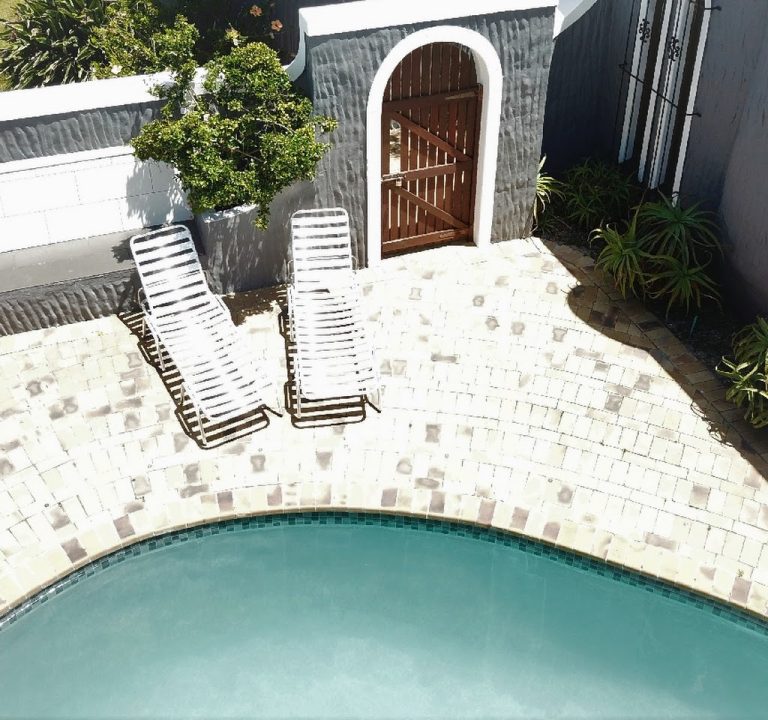
Typical amenities to expect in well-rated accommodation include wi-fi, climate control, fresh linen and towels, a well-equipped kitchen, a private or shared outdoor space, and a clear cleaning schedule. Some properties offer features such as a balcony with views across the harbour or Table Mountain, a pool or a small outdoor seating area, and access to shared laundry facilities. If you require accessibility considerations, verify lift access or ground-floor options where possible.
Planning your days around Cape Town’s attractions is part of the experience. A visit to the iconic Table Mountain is a staple, with several ways to reach the summit depending on weather and fitness levels. The nearby Cape Town harbour, historic district, and vibrant markets provide cultural context and opportunities to sample local flavours. In parallel, the city’s coastline, nature reserves and scenic drives offer an easy balance between activity and relaxation. For those who enjoy a slower pace, wine routes in Constantia or nearby suburbs provide a pleasant day trip with cellar doors and scenic views, complemented by relaxed eateries.
Dining in Cape Town ranges from casual cafés to refined restaurants that celebrate South African produce. Expect menus built around fresh seafood, seasonal vegetables and proudly regional ingredients. It is common for many properties to be well located for short commutes to convenient dining hubs where you can explore a range of cuisines and atmospheres without needing to drive far.
Best time to visit can depend on what you’re seeking. Summer (December to February) brings warmer temperatures and coastal activity, while spring and autumn offer pleasant weather with fewer crowds and vibrant gardens. Winter, though cooler and wetter, can still be rewarding for city exploration and indoor experiences, such as galleries, museums and market gatherings. If your focus is outdoor experiences, plan around calmer days and consider local safety guidance for outdoor visits, especially when engaging in longer hikes or harbour walks.
Practical tips to help you get the most from your stay:
- Book accommodation with a clear cancellation policy and confirm what is included in the rate, particularly for self-catering stays.
- Check proximity to public transport lines or major routes to reduce reliance on taxis or rideshare during peak traffic times.
- Pack layers for changing weather, especially if you plan to visit Table Mountain or coastal areas with sea breezes.
- Respect local customs, especially in historic districts and when visiting markets or informal dining spots.
- Plan some flexible days to allow for weather variations and spontaneous discoveries around neighbourhoods you may not have initialised in advance.
Whether you book a stylish apartment in a bustling hub or a serene getaway near the vineyards, Cape Town rewards travellers with a blend of natural beauty, culture and cuisine. For more ideas on places to stay and things to do, you can explore regional tourism resources and reputable travel guides as you map out your itinerary. For further information on current travel ideas and practical planning, visit Cape Town’s official tourism site.