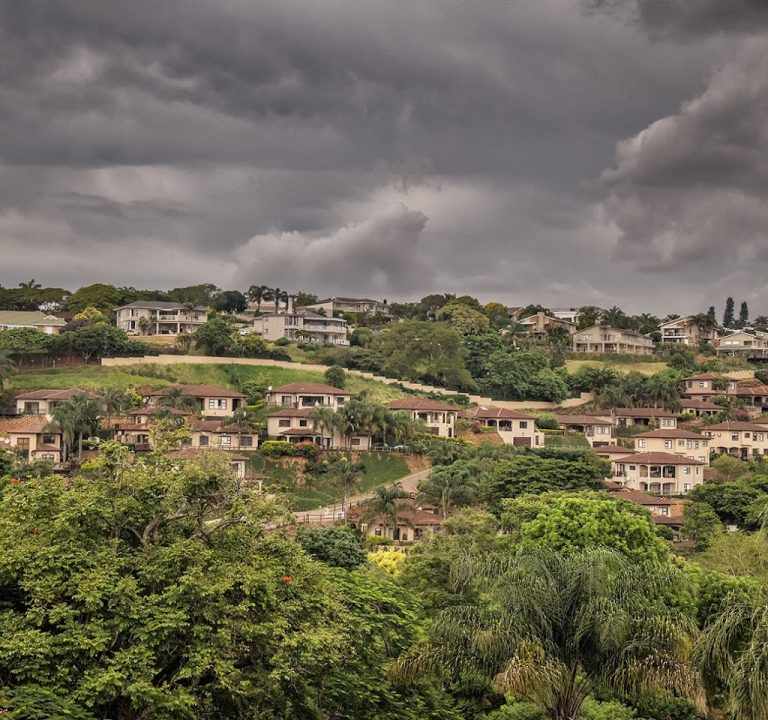
Durban, KwaZulu-Natal: A Guide to Accommodation, Local Experiences and Getting Around
Durban sits on the eastern coast of South Africa, blessed with subtropical weather, golden beaches and a lively, welcoming culture. Whether you are drawn by the coastline, the cultural heritage, or the culinary scene, planning a stay in Durban means balancing comfortable accommodation with easy access to the city’s diverse attractions. A mix of guest houses, boutique hotels, lodges and self‑catering options can be found across several appealing neighbourhoods, each with its own character.
When choosing where to stay, consider what you want to do most. If you prioritise easy access to the beach and family-friendly activities, look for places near the Golden Mile, uShaka Marine World, or the central beachfront. For a quieter, leafy ambience with a taste of traditional neighbourhood life, consider a stay near the old suburbs and residential pockets such as Morningside or the Berea. For a more relaxed, nature‑oriented base, the area inland from the city offers short drives into nearby reserves and the Durban Botanical Garden. A well‑located guest house such as Palm Springs Bed & Breakfast can provide a friendly, home‑from‑home atmosphere with helpful staff who can point you to local sights and eateries.
Typical amenities worth checking include reliable air conditioning for Durban’s warm seasons, secure on‑site parking, free Wi‑Fi, and a good breakfast option. Many guest houses and boutique hotels provide additional conveniences such as en‑suite bathrooms, in‑room workspaces, and tidy communal lounge areas. If you are travelling with family or a group, look for apartment‑style rooms or suites with a kitchenette or self‑catering facilities. For longer stays, a property with a small kitchenette or access to a shared kitchen can be a practical choice. To keep costs predictable, compare inclusive rates that cover breakfast or offer a self‑c catering alternative, and inquire about any additional charges for service, housekeeping, or late check‑in arrangements.
Transport is a practical consideration in Durban. Durban’s road network is straightforward, but traffic can build during peak hours, particularly along the coastal corridor. If you plan to stay near the beach, a vehicle provides flexibility; however, many guest houses offer good access to ride‑hailing services or local taxis. For shorter stays, staying in a walkable area reduces transit time and lets you enjoy meals and a stroll along the promenade. Consider proximity to public transport options such as bus routes or a rail link if you intend to explore beyond the coastal strip.
The best time to visit Durban typically runs from late spring through autumn (October to April), when the weather is warm and inviting for beach days. However, the city can be busy during school holidays, so booking ahead is wise. If you prefer cooler spells and fewer crowds, consider visiting during the shoulder seasons of May or September. For travellers interested in cultural events, Durban hosts a variety of festivals and markets throughout the year, often tied to the local calendar and seasonal produce.
When planning bookings, be mindful of a few practical tips. First, confirm the cancellation policy and whether the rate is fully refundable in case plans change. Second, read guest reviews with a balanced eye—look for comments about cleanliness, the attentiveness of staff, and the accuracy of the listing’s descriptions. Third, verify whether the property offers airport transfers or arranged transport to popular sights; some hosts can arrange affordable local tours or day trips. Finally, check the dining arrangements: some places include breakfast, some offer self‑catering facilities, and others may recommend nearby restaurants that reflect the city’s diverse culinary scene.
Durban’s attractions span natural beauty, urban culture, and family‑friendly entertainment. You can enjoy time along the Indian Ocean coastline, take walks through the Durban Botanic Garden, or explore the bustling precincts near the harbour and the Golden Mile. Cultural venues and galleries showcase Zulu heritage and contemporary African art, while markets offer spices, crafts and street‑food experiences reflective of the region’s fusion of cultures. For food lovers, Durban’s dining scene ranges from vibrant casual eateries to refined restaurants, with influences from Indian, African, and international cuisines. In the evenings, a stroll along the promenade or a calm drink in a stylish lounge can be a perfect end to a day of discovery.
- Choose a neighbourhood with walking access to sights you plan to visit and a dining scene you want to explore.
- Check for family‑friendly or adult‑only options if that is important for your trip.
- Ask hosts about local tips, including markets, sunset viewpoints, and safe routes for walking at night.
Example stay options in Durban can vary from intimate guest houses to modern boutique hotels. A guest house such as Palm Springs Bed & Breakfast offers a hospitable base with easy access to the city’s coastal routes, making it a sensible starting point for a Durban stay. For more ideas on where to stay and what to do, you can explore Durban’s official tourism resources and city guides. Websites that focus on travel, regional attractions and local experiences can provide practical itineraries, restaurant recommendations, and transport tips to help you make the most of a visit to KwaZulu‑Natal.