Durban, KwaZulu-Natal: Accommodation, Attractions and Practical Planning
Durban’s warm Indian Ocean setting makes it a popular choice for travellers seeking a relaxed beach break with a touch of city convenience. When planning a stay, consider both the coastal fringe and the inland neighbourhoods to match your preferred pace, dining style and access to attractions. Durban offers a range of accommodation from guest houses and boutique hotels to self‑catering apartments and mid‑range BnBs, often with a distinctly local flavour that makes a visit feel welcoming and authentic.
In choosing where to stay, think about proximity to the main beaches, how easy it is to reach major attractions, and the kind of atmosphere you enjoy. The coast is the focal point for daytime strolls, water‑based activities and seasonal markets, while residential areas inland can offer quieter evenings, more space and excellent value. Look for properties that advertise comfortable public spaces, reliable Wi‑Fi, secure parking or convenient transport options, and clear policies on breakfast, housekeeping and late check‑in if your travel plans involve late arrivals.
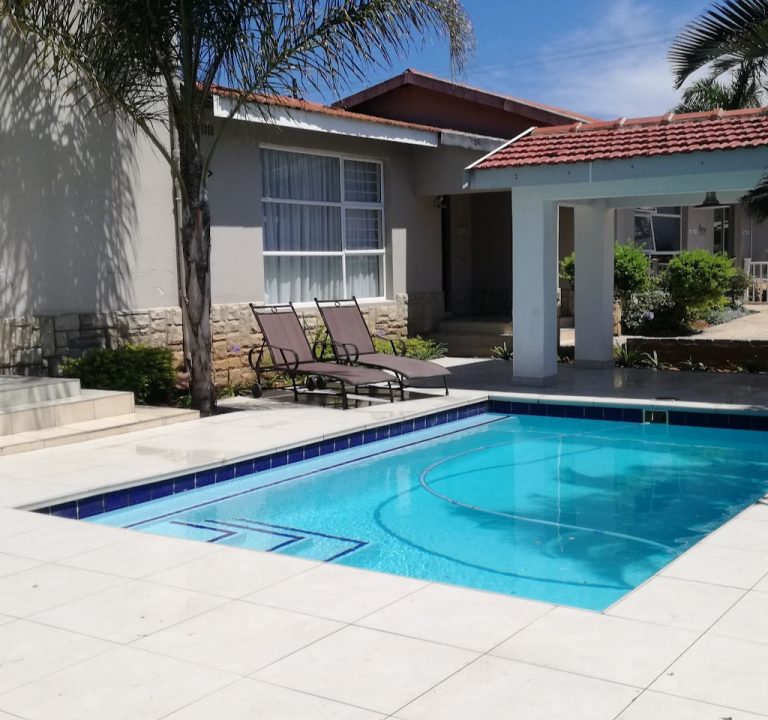
For a concrete example of trusted accommodation with a friendly, traveller‑oriented approach, consider guest houses that emphasise a welcoming home‑from‑home experience. One such option is Caza Beach Guest House, which specialises in a comfortable stay near the coast and is listed online with details about its amenities and location. You can explore its offerings and guest reviews through its official website.
Typical amenities to look for include complimentary breakfast or tea and coffee facilities, clean and well‑maintained rooms with private or en‑suite bathrooms, air conditioning or fans for Durban’s warm climate, and outdoor spaces where you can relax after a day of sightseeing. If you’re travelling with family or a group, check available configurations (such as interconnecting rooms or family suites) and whether the property offers practical touches like a communal lounge, a kitchenette, or covered parking. Some guest houses also provide guidance on local experiences or can arrange transfers and day trips, which can simplify logistics for first‑time visitors.
Getting around Durban is straightforward, with several sensible options depending on your plans. If you’re staying near the beachfront or the Golden Mile, walking and short taxi rides are convenient. For longer day trips or a broader exploration of the KwaZulu‑Natal coastline, you might opt for a rental car or a reputable driver service. Public transport exists in the form of buses and rail services, but schedules can vary, so it’s wise to have a plan for peak times and to confirm transport options with your host or accommodation in advance.
Best time to visit Durban tends to be during the drier, slightly cooler months, when outdoor activities are most enjoyable and the city’s outdoor dining and markets are in full swing. The coast enjoys warm sea temperatures for most of the year, making water‑based activities appealing across seasons. If you prefer quieter streets and lower humidity, aim for the shoulder seasons in spring and autumn. Always check the local forecast and remember that tropical rain showers can occur in the summer months, typically later in the day.
When you arrive, a well‑planned itinerary can maximise your time. Durban’s beaches are the obvious starting point, but the city’s cultural and culinary scenes offer a rewarding supplement to days by the sea. You can expect a broad mix of casual eateries, modern cafés and sit‑down restaurants that showcase regional flavours and international influences. Many areas also host weekend markets, live music events and craft stalls, which are great for discovering local products and picking up thoughtful souvenirs.
Areas to consider when booking in Durban include:
- Coastal precincts near the main beaches for easy beach access, strolls along the promenade and a lively ambience.
- Berea and Morningside for leafy streets, boutique guest houses and convenient access to restaurants and parks.
- Umhlanga and the northern coastline offering a more resort‑style atmosphere, with iconic views and modern facilities.
- Point Waterfront and the harbour area for proximity to marine activities and a vibrant urban edge.
- Durban CBD for central access to markets, cultural venues and city‑scale attractions, with a mix of accommodation styles.
Practical planning tips to help you get the most from your stay:
- Read recent guest reviews to assess cleanliness, host responsiveness and the accuracy of listed amenities.
- Confirm check‑in arrangements, parking access and breakfast provisions before arrival.
- Ask your host about safe walking routes at night and recommended local restaurants or markets.
- Pack light layers for variable indoor temperatures and a lightweight waterproof layer in case of tropical showers.
- Book key experiences in advance if you’re visiting during peak seasons or on weekends, and budget for transport if you plan to explore beyond your base area.
Durban blends sun, sea and a cosmopolitan edge, making it a diverse destination for short city breaks or longer, more relaxed holidays. Whether you choose a cosy seaside guest house, a modern apartment near the promenade or a characterful residence inland, planning with your priorities in mind—proximity to the coast, comfort, and ease of getting around—will help you make the most of your stay. For a practical starting point, consider exploring the accommodation options near your preferred neighbourhood and visiting the official pages of well‑regarded guest houses for current amenities and booking arrangements.