Durban: Accommodation, Attractions and Practical Tips for Your Stay
Durban, on the KwaZulu-Natal coast, offers a relaxed blend of subtropical beaches, vibrant markets and monumental views of the Indian Ocean. When planning a stay, consider the different neighbourhoods and what they bring to your visit. The beachfront area along the Golden Mile is ideal for easy access to long walks, seafront promenades and family-friendly activities. For a more residential, leafy vibe with quick access to shops and eateries, districts like Morningside or Glenwood can be a good base. If you’re seeking all-year-round sun and a modern, upmarket scene, the Umhlanga Ridge and surrounding coastal towns present a stylish contrast with better links to the airport and major highways. A smaller taste of Durban’s charm can be found in hillier areas such as Kloof or Pinetown, which offer tranquillity and greener scenery while staying within reasonable reach of the coast.
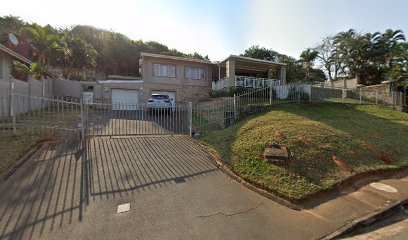
Accommodation options range from guesthouses and lodges to boutique hotels and family-friendly apartments. One example of a lodging option you might encounter is Beachside Guest House, which typifies the coastal guesthouse experience—comfortable rooms, friendly service and a location that keeps you close to the sea without sacrificing convenience. When selecting a place to stay, look for features that align with how you like to travel: a nourishing breakfast, on-site parking, reliable Wi-Fi, and easy access to public transport or safe, walkable routes to your planned activities. Check whether the property offers self-catering facilities, laundry services, and flexible check-in arrangements, which can be especially helpful for longer stays or family trips.
Typical amenities to expect in Durban’s lodging include air conditioning or fans for the subtropical climate, secure parking, and straightforward access to beaches or coastal walkways. Many guesthouses and lodges in Durban also provide a generous breakfast or evening meals, comfortable lounges, and shaded outdoor spaces for al fresco dining or sunset views. If you’re travelling with children or dependents, search for family rooms, cribs or cots, and easy access to nearby parks or beaches. For business travellers, consider properties that offer work desks, quiet corners and convenient proximity to major roads or hubs that connect to the city centre or business districts.
Transport in Durban is straightforward but varies by neighbourhood. The city is served by a network of taxis and ride-hailing services, with rental cars offering the greatest flexibility for exploring the coast and inland scenery. If you plan day trips, a car can be particularly advantageous for visiting nature reserves, markets, and coastal towns along the KwaZulu-Natal coastline. If you prefer not to drive, look for accommodation near major bus routes or in areas with reliable taxi access. The international airport sits a short drive from the coast, so many guests favour locations that balance easy airport access with an inviting neighbourhood atmosphere.
The best time to visit Durban is during the warmer months, roughly October to March, when beach days are at their peak and the city hosts vibrant outdoor events and markets. Winter in Durban remains milder than many other parts of the country, offering cooler evenings ideal for relaxed dining experiences along the promenade, but beach-going remains pleasant for those resilient to cooler water. Spring and autumn can provide quieter periods with comfortable temperatures, lower prices, and fewer crowds, while still offering all the necessary coastal activities.
When planning activities, you’ll find a rich variety of experiences beyond the beach. Durban’s coastline offers long walks and safe swimming beaches, while inland you can explore botanical gardens, museums, and cultural centres that reflect the city’s diverse heritage. Culinary options range from seafood shacks near the shore to modern restaurants in busy urban districts, where you can sample South African flavours alongside international influences. For family or group itineraries, consider day trips to nearby nature reserves, wildlife encounters, and markets that showcase local crafts and produce. Always check opening times and any local guidelines before heading out, especially for seasonal events or outdoor venues.
Tips for a smooth stay:
- Book accommodation with secure parking if you plan to hire a car or travel with family gear.
- Choose a neighbourhood with easy access to your intended activities and safe, well-lit streets in the evening.
- Reserve popular coastal attractions or restaurants in advance, especially during holidays and peak season.
- Pack both sun protection and light rain gear, as Durban’s subtropical climate can bring sudden showers.
- Check the distance to the airport and main highways to avoid long transfers after flights.
For inspiration and planning, consult Durban’s official visitor resources and browse reputable accommodation sites to compare reviews, amenities and proximity to key sights. If you’re curious to explore lodging options like Beachside Guest House, you can visit the property’s website or browse listings that highlight coastal charm, guest comfort and convenient access to the city’s major attractions. More information about Durban’s attractions and visitor experiences can also be found through regional tourism portals and official city guides, which provide practical advice on routes, safety tips and current events.