Durban: Accommodation and Activities for a Comfort‑First Stay in KwaZulu-Natal
Durban presents a welcoming blend of Indian Ocean beaches, leafy neighbourhoods and vibrant city life, making it a superb base for a coastal South African break. When choosing a place to stay, consider the neighbourhoods that best fit your plans, the style of accommodation you prefer, and the practicalities of getting around. Durban’s climate is subtropical, so plan with hot, sunny days in mind but be mindful of the summer showers from November to March, which can bring brief but refreshing downpours.
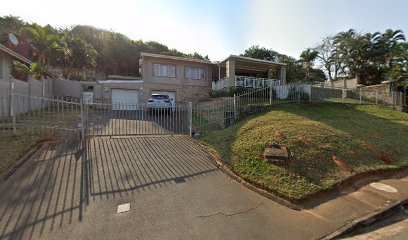
Durban’s bed and breakfast and guesthouse scene offers everything from intimate waterfront stays to contemporary city-centre retreats. A property labelled WAVES OF THE OCEAN 23 or similar may emphasise proximity to the coast, offering a cosy, personal experience with breakfast included. For a relaxing start to your day, look for options that provide an uncomplicated breakfast service, helpful staff, and clear guidance on local transport and attractions. If you prefer more independence, self‑catering suites or boutique hotels with kitchen facilities can be appealing, especially for families or longer stays.
When planning a stay, think about access to the main beach areas and dining options. The northern seaside suburbs are well known for relaxed residential streets, while the central and harbour-adjacent zones provide a quick stroll to markets, cafés and cultural sights. If you value early morning walks along the promenade or sunset海 views, accommodation with easy beach access or a balcony can enhance your experience. For drivers, consider convenient parking arrangements; for those relying on public transport, proximity to bus routes or a rail link can save time and stress.
Typical amenities you might encounter include en‑suite bathrooms, free Wi‑Fi, tea and coffee facilities, daily housekeeping, and sometimes a communal lounge or garden area. A well-run guesthouse or B&B will outline what is included in breakfast, whether it’s a continental spread, a light cooked option, or a guest‑choice arrangement. Some properties offer transferable café credit or partner with local eateries, which can be a nice way to sample the city without committing to many meals out in advance.
To assist with planning, here are key aspects to look for when you book:
- Location relative to your planned activities (beaches, markets, attractions, restaurants).
- Room type and size, and whether an en‑suite is essential for you.
- Security, parking arrangements and accessibility features (elevator, ground-floor rooms).
- Breakfast options, kitchen access for self‑catering, and any on‑site facilities such as laundry or an outdoor area.
- Cancellation policy and flexibility in case plans change.
Durban’s attractions span sun, sand and culture. Days can be spent exploring golden shores and the family‑friendly stretches along the Golden Mile, or meandering through bustling markets and harbourfront precincts. For nature lovers, the nearby hills and reserves offer scenic viewpoints and walking trails, while the city’s harbour‑side streets host a mix of shops, galleries and casual eateries. Even without naming individual sites, you can plan to pace your days with a mix of beach time, a coastal stroll, a lively market visit and a relaxed dinner in a neighbourhood you discover along the way.
When it comes to dining, Durban’s restaurant scene is widely inclusive, with options ranging from light seafood dishes to rich, spice‑driven meals reflecting the area’s multicultural influences. Rather than fixating on specific venues, look for recommendations close to your stay—ideally places that are walkable from your accommodation or a short ride away. If you enjoy trying new flavours, ask your host or reception for trusted neighbourhoods to explore, and consider booking a dinner with a view if available at your chosen base.
Planning tip: time your visit to balance the best weather with cultural calendars. The shoulder seasons often offer pleasant temperatures and fewer crowds, while the peak Southern Hemisphere summer brings more beach and outdoor opportunities but higher activity in popular spots. If you are visiting during the school holidays or major events, book well in advance and check if your accommodation offers flexible terms or has partnerships with local operators for guided experiences.
Transport in Durban ranges from taxis and rideshare services to rental cars and limited rail links along the coast. If you plan to stay outside the main tourist hubs, a car can be convenient for day trips to broader KwaZulu‑Natal highlights. Alternatively, ask your host for guidance on safe and affordable local transport options, including reliable routes to beaches, markets and dining precincts. For guests who prioritise a low‑stress stay, choosing a property with parking and easy access to main routes can help you make the most of your days without worrying about navigation.
Practical tips for a smoother stay include packing light layers for coastal mornings and evenings, keeping a small amount of local currency for informal stalls, and confirming breakfast times a day ahead if you have early plans. Check in advance for any seasonal advisories or neighbourhood tips, and consider asking your host for a local self‑guided walking route to get acquainted with the area at a comfortable pace.
For more guidance on Durban and KwaZulu‑Natal, you can explore regional tourism resources and official visitor information online. A well‑constructed plan will blend a comfortable base with a couple of well‑paced explorations daily, allowing you to experience Durban’s warmth, scenery and culinary hospitality without feeling rushed.