Durban, KwaZulu-Natal: A guide to accommodation and experiences for your stay
Durban is a vibrant coastal city where warm Indian Ocean breezes meet subtropical scenery, lively bar and dining scenes, and a rich blend of cultures. When planning a stay, it helps to think about what you want from your visit—beachside relaxation, busy urban exploration, family-friendly days, or a gateway to the surrounding KwaZulu-Natal countryside. Durban offers a wide range of options, from intimate guesthouses and boutique B&Bs to mid-range hotels and modern lodges, many with easy access to the city’s key sights and transport links.
Accommodation in Durban tends to cluster around several well-connected areas. Beachfront stays along Golden Mile and the adjacent areas are popular for immediate access to the sea, promenading, and easy meals out. Morningside and point-based districts offer convenient access to shops, cafes, and public transport while remaining close to central Durban. For a more relaxed, village-like vibe, consider stays in Umlanga or the suburbs a short drive away from the coast. If you’re exploring the KwaZulu-Natal hinterland, opt for an inland base near central Durban or halfway towards the Drakensberg, making day trips feasible without long daily drives.
When choosing a place to stay, consider these practical factors:
- Transport and access: Look for proximity to major routes, taxi services, or rail links, and whether the property offers parking or easy access to attractions by public transport.
- Size and layout: From cosy rooms in a B&B like The Nest to larger suites in guesthouses, consider whether you need family space, work-friendly desks, or quiet corners for reading and relaxation.
- Amenities: Common requirements include reliable Wi‑Fi, secure parking, air conditioning, a well-equipped kitchenette or coffee facilities, and a good hot shower after a day in the sun.
- Breakfast and dining: Many Durban stays include breakfast, with options ranging from traditional cooked meals to lighter continental choices. If you’re planning dinner out, choose accommodation with on-site dining or nearby reputable restaurants.
- Neighbourhood safety and noise levels: Urban stays may be lively in the evenings; for quieter nights, look for quieter streets or rooms away from main thoroughfares.
- Flexibility and policies: Check cancellation terms, minimum stays, and whether the property is child- or pet-friendly if applicable.
Typical amenities in Durban’s accommodation range from comfortable, well-appointed rooms with en-suite bathrooms to shared lounge spaces, small kitchens, and outdoor terraces. Many B&Bs offer personal touches, such as guided recommendations for local experiences, easy access to cultural precincts, and curated neighbourhood walks. For business travellers or longer breaks, look for properties with workspaces, longer-stay discounts, or laundry facilities. A well-located option can balance rest after day trips with the chance to sample Durban’s cultural and culinary offerings without long commutes.
Best time to visit Durban blends pleasant weather with the calendar of events and regional rhythms. Durban enjoys warm winters by European standards and hot, humid summers with the humid subtropical climate. Late spring and autumn are often ideal for outdoor activities and beach time, while the summer months bring the peak of humidity and occasional tropical showers. If you’re seeking calmer beaches and more affordable rates, consider shoulder seasons, but always check local event calendars as festivals and markets can add vibrancy to your stay.
Getting around is straightforward, but planning helps. Durban’s coastal areas are walkable in places, though a car or reliable taxi service can be convenient for exploring beyond the beachfront. The uMhlanga area offers good headroom for exploring beaches and shopping, while central Durban provides access to markets, museums, and the historic architecture that gives the city its character. Whether you’re following a foodie trail or seeking sunset views from a clifftop, a sensible plan and a little local insight go a long way.
When it comes to attractions and experiences, Durban offers a mix of family-friendly appeal, cultural discovery, and natural beauty. You’ll find golden beaches, promenades ideal for walking and biking, and opportunities to learn about the local Zulu heritage and the city’s maritime history. For a relaxed day, seek out coastal parks, botanical spaces, and harbour-front views. Food lovers can enjoy maritime and Southern African flavours across a range of casual eateries and refined venues; many places emphasise fresh seafood, regional ingredients, and vibrant, convivial atmospheres. If you’re after something more active, consider gentle hikes in nearby nature reserves or a day trip to the broader KwaZulu-Natal landscape, where rolling hills and coastal scenery intersect.
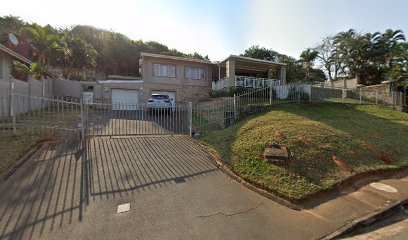
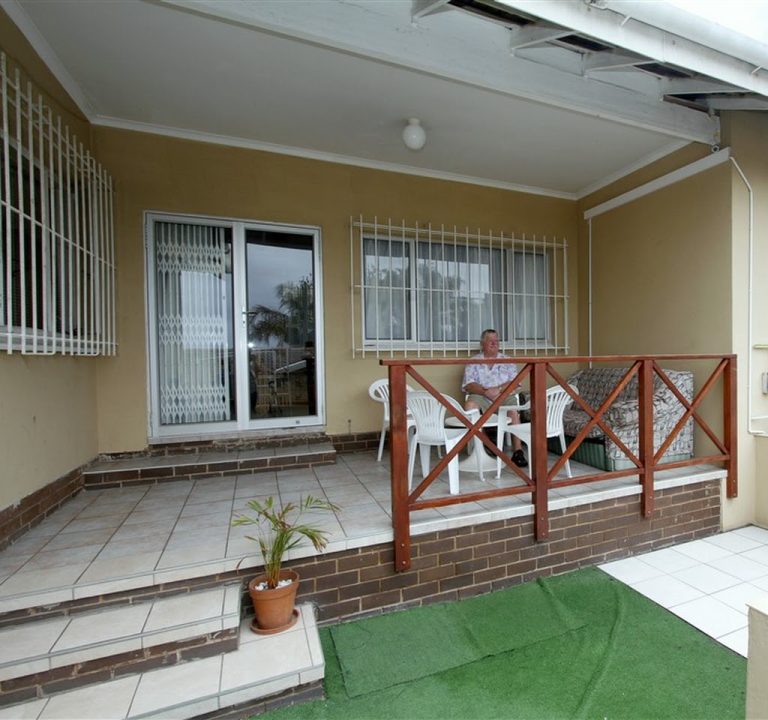
Durban’s accommodation scene is inclusive of all budgets and preferences. If you’re drawn to intimate, personal hospitality, look at guesthouses and B&Bs that emphasise a home-away-from-home experience, often with helpful local tips from hosts. For larger groups or longer stays, a well-equipped hotel or lodge with flexible arrangements can simplify planning. The Nest, a bed & breakfast option within the city’s broader hospitality landscape, can offer a charming base with thoughtful touches that showcase Durban’s welcoming spirit. Always review recent guest feedback to gauge consistency in service, cleanliness, and value for money.
For planning assistance and inspiration, consult Durban’s official tourism resources or reputable travel guides online. They can help you map routes, identify dining neighbourhoods, and understand seasonal events that may enrich your stay. When you’re ready to book, prioritise transparent pricing, clear policies, and a property’s alignment with the kind of Durban experience you want—whether you dream of quiet mornings by the sea, lively evenings at markets and eateries, or easy access to the city’s cultural highlights.
Website links to explore Durban and KwaZulu-Natal travel ideas can be found on official tourism pages and regional guides. A thoughtful plan, a comfortable base, and a sense of curiosity will help you make the most of your Durban visit.