Durban: Where to stay, what to do, and how to make the most of your visit
Durban, on KwaZulu-Natal’s sunny coast, blends warm Indian Ocean breezes with a vibrant cultural life. Whether you’re seeking a stylish city base, a family-friendly beachside bolthole, or a calm retreat in the leafy suburbs, there are many accommodation styles to suit every traveller. The key is to plan your stay around areas with easy access to transport, good dining options, and the attractions you most want to explore.
Areas to consider when booking include the central beachfront and the Golden Mile, where many hotels and self-catering options place you within easy reach of the sea, promenade walks, and a selection of casual eateries. For a more residential, relaxed vibe, the suburb clusters near the northern coast—often referred to as the hinterlands of Umhlanga and the northern suburbs—offer tranquil stays with convenient connections to the airport and major highways. For a livelier, artsy scene, consider Glenwood or Morningside, where boutique guesthouses and self-catering units sit close to cafés, markets, and parks. In contrast, the southern commercial district provides a practical base for business travellers or those prioritising affordable options with straightforward access to Durban’s city centre attractions.
When choosing accommodation, look for a few practical amenities that make a Durban stay comfortable. A well-equipped kitchen or kitchenette is beneficial if you plan to self-cater, especially for families or longer visits. Free or reasonably priced on-site parking is a plus, given the city’s mixed traffic and occasional peak-hour congestion. Reliable air conditioning or efficient ceiling fans are sensible choices for Durban’s warm climate, and a strong Wi-Fi connection is increasingly essential for planning day trips or coordinating with loved ones back home. A balcony or outdoor space can be a simple but valued feature, letting you enjoy sea breezes or garden views after a day of exploring.
Transport is an important planning factor. If you’re staying near the beach or in the central corridor, you’ll likely rely on taxis, rideshares, or a rental car. Durban’s public transport is improving, but it remains most convenient to have your own means of getting around for early starts or day trips to inland attractions. Proximity to major routes can dramatically shorten travel times to the Valley of a Thousand Hills, the Midlands Meander, or the nearby nature reserves. If you prefer not to drive, look for accommodation close to main bus routes or within walking distance of cafés and markets.
Best time to visit Durban depends on what you want from your trip. The city enjoys a subtropical climate with hot summers and mild winters. The warmer months are ideal for beach days and outdoor markets, while spring and autumn offer a pleasant balance of sunshine and quieter streets. If you’re visiting for outdoor activities, shoulder seasons can mean fewer crowds at popular spots. It’s worth noting that Durban can be humid in summer; packing light, breathable clothing and sun protection is wise year-round.
Accommodation styles vary from stylish city hotels and self-catering apartments to guesthouses and larger resorts along the coast. For a compact stay with real convenience, self-catering units can be particularly appealing, offering flexibility for meals and longer visits. If you’re travelling with family or a group, multi-bedroom flats or family suites provide space to relax after a day of sightseeing. For a more intimate experience, boutique guesthouses in leafy neighbourhoods often offer personalised service and easy access to local eateries and markets, helping you to feel part of the community.
Durban’s attractions sit at the shoreline and beyond. The Golden Mile offers open-air walks, sun-lit beaches, and waterside promenades; it’s a classic place to begin your exploration. Inland, cultural experiences emerge through markets, street art, and museums that tell the story of the city’s diverse communities. For families, coastal parks and safe swimming beaches provide friendly places to unwind, while adventurous travellers can venture into coastal forests or nearby hills for hiking and wildlife encounters. When dining out, you’ll find a range of options from casual beachfront cafés to contemporary restaurants offering fusion flavours inspired by Indian, African, and global influences. It’s a city where meals are often part of the experience as much as the setting, so allow time to discover small, welcoming venues as well as the well-known eateries along major routes.
Practical tips to help you plan your stay:
- Book in advance for peak travel periods and school holidays, particularly along the coast.
- Check if your accommodation includes parking, a kitchenette, and air conditioning or ceiling fans.
- Consider a base near the beachfront if you want to maximise beach time and easy walks to venues.
- Balance your itinerary with a mix of outdoor activities, culture, and food experiences.
- Allow time for a relaxed day out to explore markets, arts districts, and neighbourhood cafés.
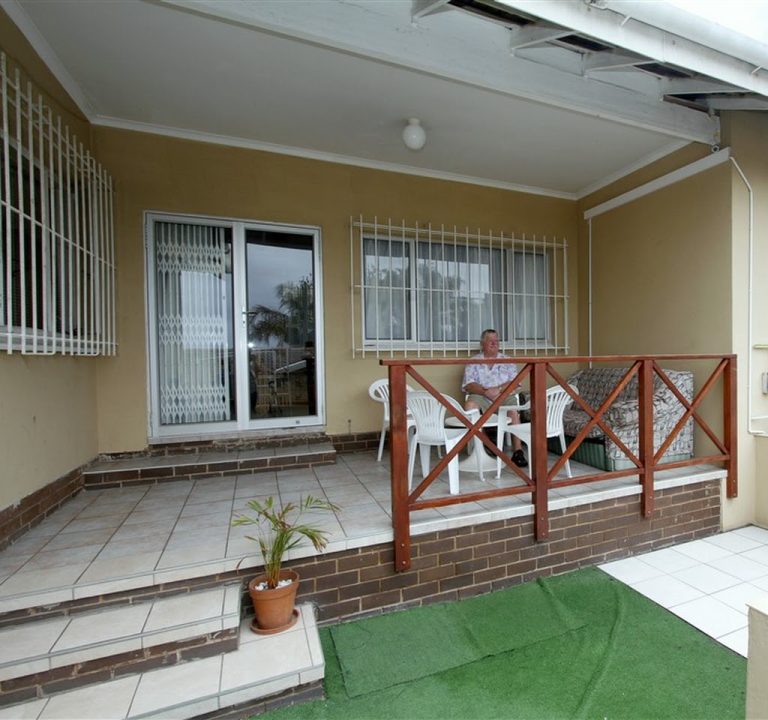
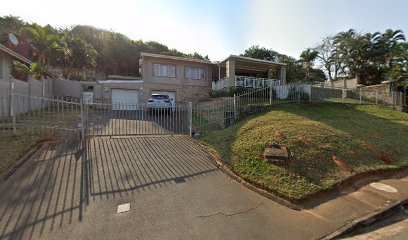
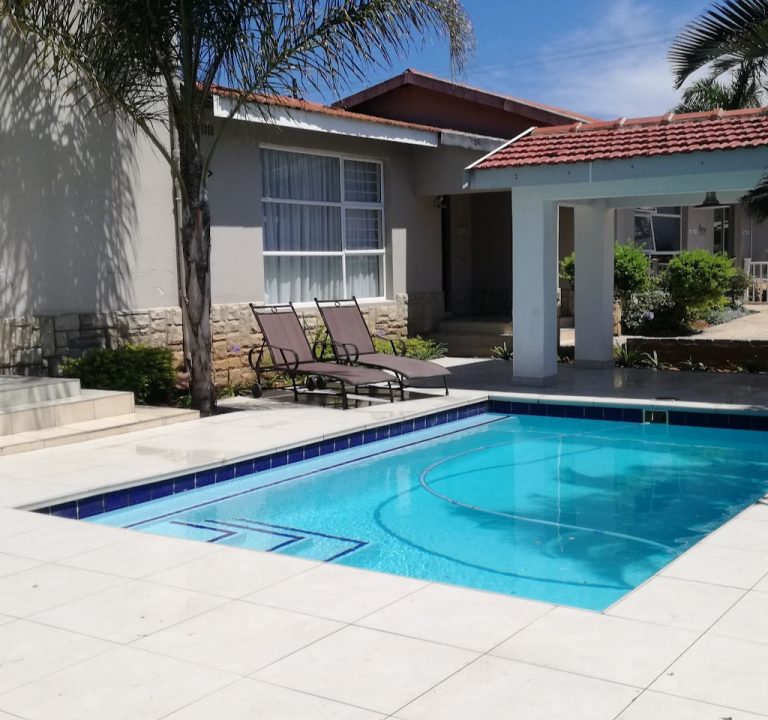
One option to consider is Bayete Self Catering, a property that offers flexible stays in a self-catering setup. It can be a practical choice for travellers seeking independence and a home-from-home environment during their Durban visit. For other stays, you’ll find a range of guesthouses and hotels that emphasise comfort, accessibility, and a sense of place, with links to booking platforms and local guides available on major travel websites.
Durban’s warmth extends beyond the weather. The city’s hospitality, diverse food scene, and easy access to nature make it a worthwhile destination for both short city breaks and longer explorations of KwaZulu-Natal. With thoughtful planning—choosing the right area, prioritising amenities, and building in a mix of beach, culture, and culinary experiences—you’ll be well placed to enjoy everything Durban has to offer.