Accommodation and Experiences in Durban, KwaZulu-Natal
Durban offers a laid‑back coastal vibe alongside a dynamic city scene, making it easy to blend beach days with family-friendly attractions, cultural experiences and culinary adventures. When choosing where to stay, consider whether you want direct access to the Golden Mile and the harbour, a quieter residential feel, or a base near the city’s business and dining hubs. Durban’s accommodation runs from stylish boutique stays to comfortable guesthouses and modern hotels, with areas ranging from beachfront pockets to leafy suburbs inland. For a stay focused on intimate hospitality, Glenashley in particular is a beach‑side option worth exploring as a place to consider for a smaller, guest‑house style experience alongside easy access to the coast.
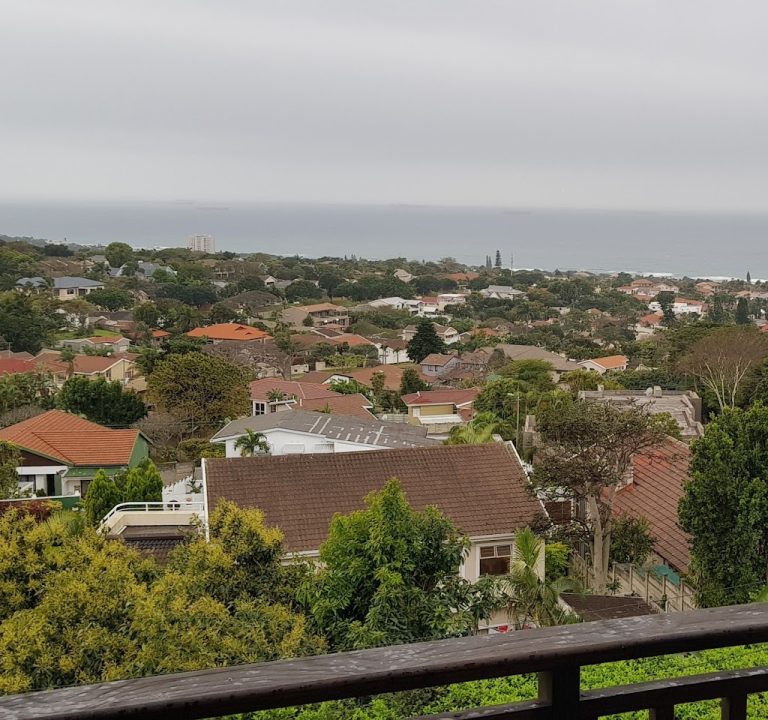
Glenashley and other coastal suburbs near Umhlanga and the northern coast are popular for those seeking a more relaxed pace with sea views. These areas typically offer guesthouses and B&Bs with intimate atmospheres, often featuring private entrances, en-suite bathrooms and generous breakfast options. Central Durban provides a different flavour: easy access to the city’s markets, museums and a wider range of dining, nightlife and cultural experiences. Inland neighbourhoods, such as the Berea or Morningside, can offer convenient commutes to the city centre while still being close to a variety of eateries and shops. When evaluating accommodation, look for clear information about parking, security, and on-site amenities, as well as policies on breakfast service and housekeeping.
Typical amenities to expect at Durban’s guesthouses and boutique stays include complimentary breakfast with regional flavours, free Wi‑Fi, and secure parking. Some properties may offer simple self‑critique kitchen access, outdoor terraces, and shaded courtyards. If booking a hotel, you can anticipate a wider range of facilities such as air‑conditioning, in‑room coffee/tea facilities, fitness areas, and on‑site dining. For a B&B or small guesthouse, a spacious breakfast dining area, a friendly host, and proximity to beaches or major routes are usually the standout features. Always check recent guest reviews for insights on noise levels, service consistency, and whether the accommodation is family‑friendly or better suited to adults-only stays.
Transport in Durban is well supported by the road network and coastal rail links, but planning ahead helps you move efficiently between beaches, museums and restaurants. If you plan to stay near the coast, ensure you understand whether taxis or ride‑hailing are readily available in your area, and whether parking is available if you have a rental car. For longer day trips, an organised tour can simplify logistics, while a rental car gives you the flexibility to explore at your own pace, especially if you want to visit seaside markets, nature reserves or inland viewpoints. Durban also has bus and rail links that connect to outlying towns and regional attractions; user-friendly information is typically available at guesthouses and hotels, or via local visitor centres.
Best time to visit Durban generally aligns with the warm, sunny months from late spring to early autumn, when beaches are at their most appealing and outdoor activities flourish. The city experiences a humid subtropical climate with summer rainfall, so light rain gear can be practical for the wetter months. Winter is mild by many standards, making it a comfortable time for city walks and indoor cultural experiences. The festive season and school holidays bring a lively atmosphere, but accommodation can be busier and rates may be higher, so early booking is advisable if you plan to travel during these peaks.
When planning a Durban stay, think about a balanced itinerary that includes both beach time and cultural discovery. You might begin with a stroll along the promenade to admire the sea and markets, then visit museums and galleries to understand KwaZulu‑Natal’s rich history and art. Dining options range from casual coastal eateries to more refined restaurants offering contemporary South African cuisine. In the evenings, you can opt for relaxed beach bars, craft breweries or stylish venues within easy reach of your accommodation. If you enjoy nature, consider day trips to nearby nature reserves or coastal cliffs where birdlife and panoramic views reward your exploration.
Practical tips for a smooth visit:
- Book accommodation with clear information about parking and security, especially if staying in busier city zones or beachfront suburbs.
- Check whether breakfast is included and what it typically comprises, as this can save time in busy mornings.
- Arrange transfers or understand local transport options in advance if you prefer not to drive every day.
- Pack sun protection, a light rain layer and comfortable footwear for coastal walks and urban exploration.
- Respect local etiquette and safety guidance, particularly in crowded markets or during night hours in busy areas.
Durban’s hospitality sector encourages a warm, welcoming stay with a focus on comfort and practicality. Whether you choose a quiet guesthouse by the sea, a stylish hotel near the harbour, or a boutique stay in a leafy suburb like Glenashley, you can expect a base that supports easy access to beaches, attractions, and a thriving culinary scene. A well‑planned visit can blend downtime on the coastline with engaging day trips and memorable meals, ensuring you experience the best of Durban’s coastal city atmosphere alongside its hospitality strengths.