Durban: Where to Stay and What to Do in KwaZulu-Natal’s Coastal City
Durban, on the eastern coast of South Africa, offers a vibrant mix of beaches, markets, and cultural experiences. When planning a stay, it helps to think about which neighbourhood will suit your pace and priorities: a seaside base with easy access to the Golden Mile and uShaka Marine World, a quieter residential area for family-friendly relaxation, or a central spot close to shops and transport links. Accommodation ranges from guesthouses and boutique hotels to larger hotels and self-catering flats, with options to suit a range of budgets and preferences.
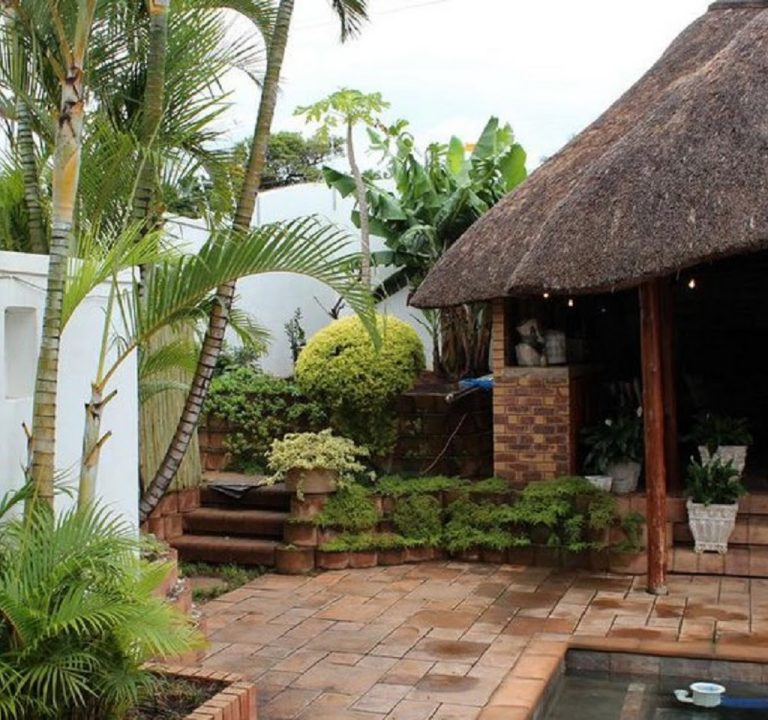
Durban North is a popular choice for visitors seeking a calmer street-scene while still being near the coast and local attractions. It can provide a relaxed ambience, with leafy streets, convenient access to beaches, and a short drive to the city centre. For those who prefer a lively beachside atmosphere, the southern harbour and central beachfront areas offer hotels and guesthouses within easy walking distance of restaurants, bars, and entertainment venues. If you plan to explore inland, staying closer to the M4 corridor or in the central business district can reduce travel time to day trips and major sights.
What to look for when you book a stay:
- Location relative to your planned activities: beach access, proximity to transport hubs, and nearby dining options.
- Transport links: whether the area is walkable, whether parking is available if you’re renting a car, and the reliability of local taxi services or ride-hailing apps.
- Amenities that matter to you: air conditioning, reliable Wi‑Fi, on-site restaurant or breakfast options, secure parking, and a 24-hour reception or concierge service.
- Guest reviews and flexibility: look for recent guest feedback on cleanliness, noise levels, and how well the property handles requests or changes.
- Access to leisure activities: pools, spa facilities, or easy access to beaches and promenades can enhance a stay.
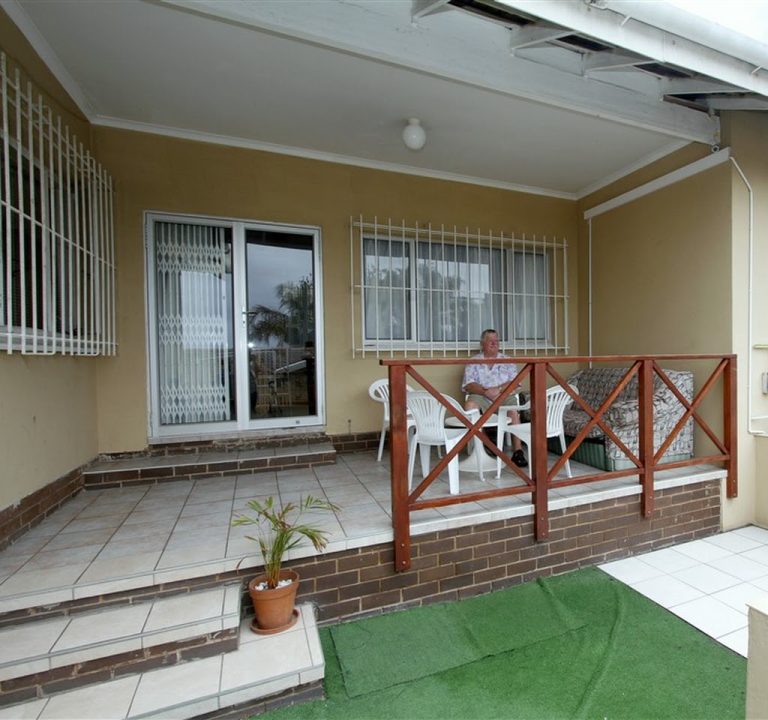
Typical accommodation styles you’ll encounter include intimate guesthouses with personalised service, family-run B&Bs, mid-range hotels with larger rooms, and self-catering apartments for longer stays. Even in smaller properties, you can often expect thoughtful touches such as regional decor, well-equipped kitchens or coffee stations, and common spaces for socialising or planning day trips. If you’re visiting during peak season, consider booking a little in advance to secure your preferred area and room type.
What to expect in terms of amenities and services:
- Complimentary or continental breakfasts in guesthouses or boutique hotels, with options for dietary needs.
- Wi‑Fi access (some properties offer upgraded bandwidth for business travellers).
- Free or paid parking; some properties offer limited on-street parking with security considerations.
- On-site or nearby dining options, ranging from casual eateries to seafood-focused venues and contemporary cuisine.
- Fitness or recreation facilities in larger hotels, and access to beaches or pools depending on location.
Transport and getting around:
Durban’s layout makes a car useful for exploring beyond your base, but many visitors rely on ride-hailing apps, taxis, and local buses for day-to-day travel. If you’re not renting a car, choose a base near major routes or within easy walking distance of beaches, markets, and dining areas. Some properties can arrange airport transfers or local shuttle services, so it’s worth asking when you book. The coastline is fairly walkable in the central and beachfront areas, with scenic promenades ideal for early morning jogs or sunset strolls.
Best time to visit:
The city enjoys a subtropical climate. The summer months (roughly November to March) are hot and humid with afternoon showers, while the dry winter period (May to August) brings milder days and cooler evenings. For beachgoers, the year-round sea is inviting, but clarity of weather and comfortable swimming conditions are more common in the late spring and early autumn. If you’re planning outdoor markets and cultural events, align your stay with local calendars, as Durban hosts a range of festivals, crafts markets, and music nights throughout the year.
Practical tips for a smoother stay:
- Check safety and security arrangements, especially if staying in residential areas or outer suburbs. Look for properties with secure entrances and monitored parking.
- Pack sun protection and a light rain layer, as coastal weather can be changeable, even in the dry season.
- Respect local customs and be mindful of crowded beaches; personal belongings should be secure when swimming.
- Plan day trips to nearby destinations such as river valleys, nature reserves, or coastal towns, and consider booking guided tours for deeper insight into KwaZulu-Natal’s culture and landscape.
- Review cancellation policies carefully, as beachfront properties and peak-season stays may have stricter terms.
Where to start looking for places to stay and ideas for experiences:
Durban’s official tourism resources offer practical guidance on neighbourhoods, activities, and suggested itineraries, and many guesthouses and hotels list their own tips for guests. For planning inspiration and up-to-date information on attractions, restaurant districts, and event calendars, you can visit official tourism sites or reputable travel guides. A sample Durban North stay could provide a convenient base for beach access, local cafés, and easy routes into the city centre for day trips and cultural experiences. Always review recent guest feedback and confirm essential amenities directly with your chosen property before finalising your booking.