Durban, KwaZulu‑Natal: where to stay and what to explore
Durban offers a confident blend of coastal charm, subtropical climate and vibrant urban life. When planning a stay, consider the mix of neighbourhoods that best suits your needs, from beach‑side calm to bustling city culture. A comfortable base could be a guesthouse or bed & breakfast in a leafy residential area, a well‑located hotel in the city centre, or a boutique lodge near the coast. A substantial portion of Durban’s accommodation is designed to be welcoming to families, couples and solo travellers alike, with a focus on warm hospitality and a relaxed pace.
Areas to consider for your Durban stay
Those seeking easy access to the beach and the promenade often choose stays close to the Golden Mile, the beachfront stretch popular with walkers, joggers and families. If you want a quieter, leafy vibe with cafe culture, look to neighbourhoods a short taxi ride inland, where guesthouses and small hotels frequently offer generous breakfast options and secure parking. For those arriving for business or city sights, central Durban and nearby suburbs provide practical access to transport links, conference venues and a wider range of dining options. Coastal towns such as Umhlanga and Ballito offer a resort feel with high‑quality amenities while remaining within a manageable drive from the city centre for day trips.
What to look for when booking
- Proximity to preferred sights and transport links (uMhlanga’s promenade, the beachfront, or the city centre rail and minibus taxi routes).
- Clear cancellation policies and flexible booking options, especially if your itinerary may change with weather or events.
- Included breakfasts or access to kitchen facilities for self‑catering, which can help with budgeting.
- Security measures, on‑site parking, and accessible access if required.
- Information about local guides, tours or experiences offered by the property or nearby partners.
- Guest reviews that highlight clean rooms, comfortable bedding and the attentiveness of staff.
Typical amenities you might encounter
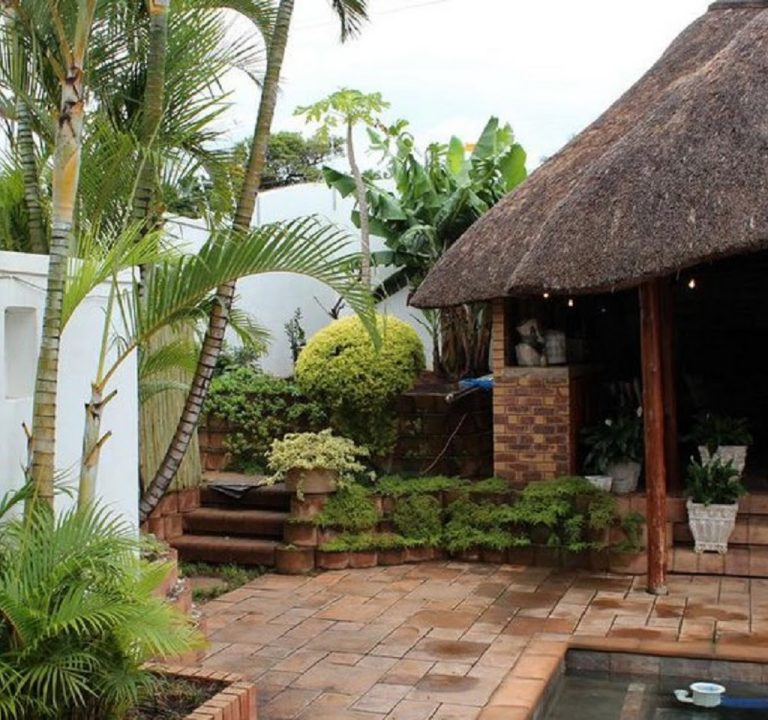
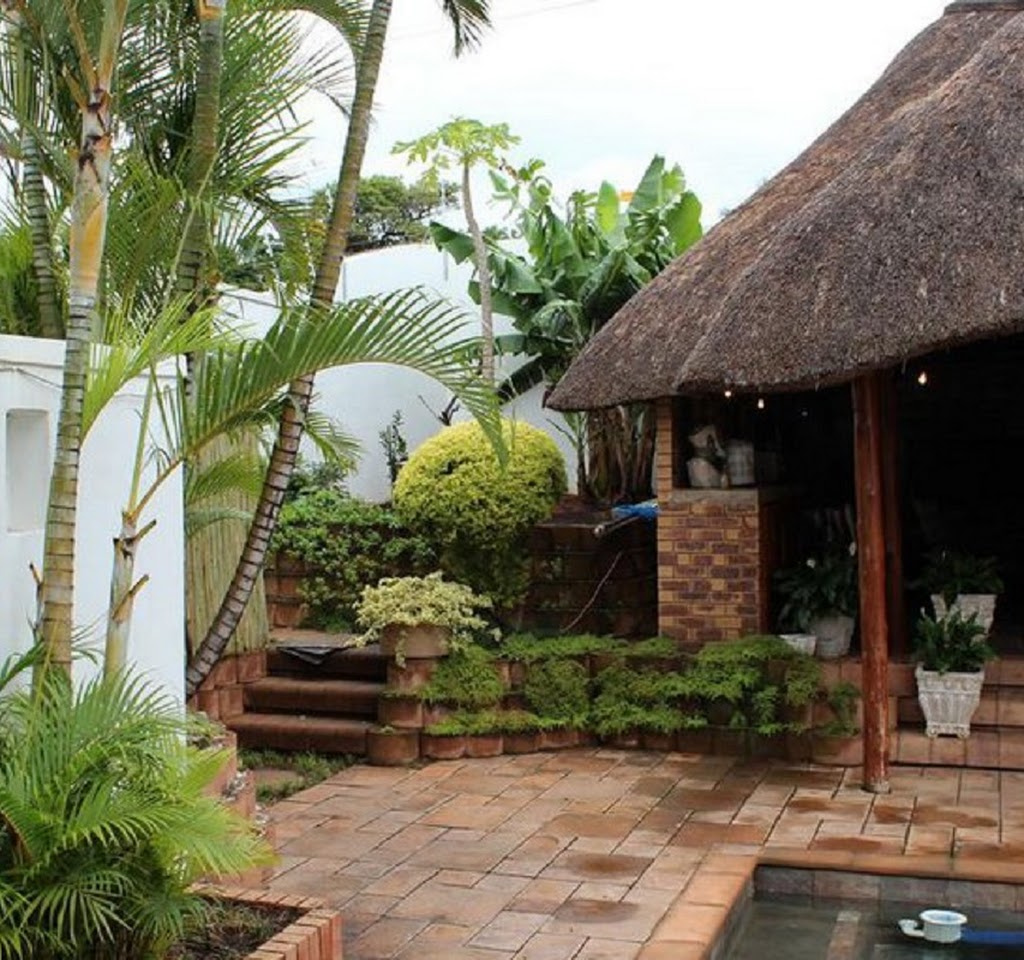
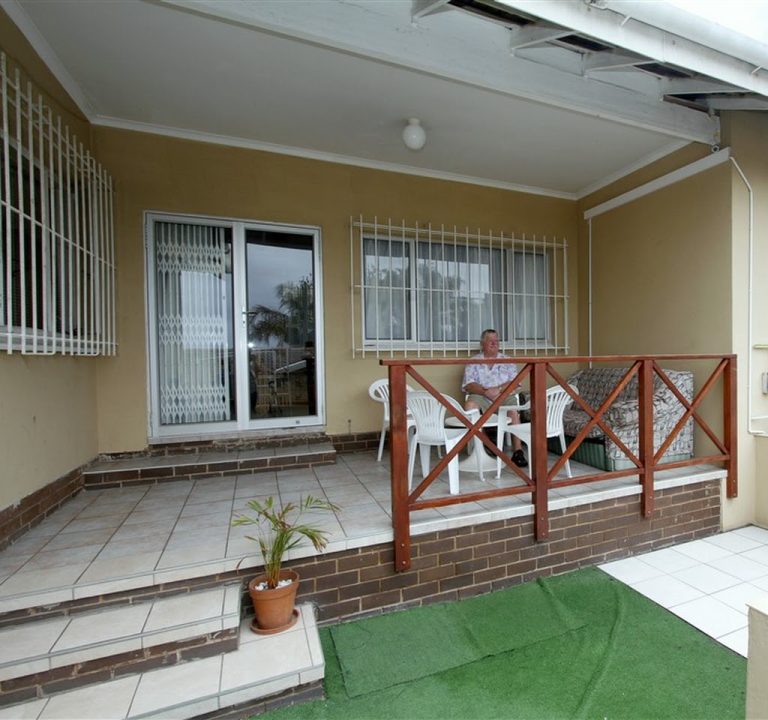
Durban’s accommodation tends to prioritise light, airy spaces and bright interiors that reflect the city’s warm climate. Expect en‑suite bathrooms, air‑conditioning or fans, good natural light, and reliable Wi‑Fi. Many properties provide a daily breakfast with options ranging from continental to hearty, savoury dishes. In guesthouses and B&Bs you’ll often find shared lounges, sometimes verandas, and gardens or courtyards where you can unwind after a day of sightseeing. For families, some properties offer larger rooms or interconnecting suites and child‑friendly facilities. If you’re travelling with a car, secure on‑site parking is a practical perk, while those without transport can rely on walkable districts, rideshares or local taxis arranged by the host.
Getting around and practical planning tips
Durban’s public transport is complemented by a growing rideshare scene and regular road connections. If you plan day trips to the inland hills or coastal villages, having access to a car or arranging a guided tour can be convenient. Within the city, many areas are walkable along the beachfront and in compact urban cores, but some neighbourhoods are best explored by taxi or rideshare. A practical tip is to request a map or guidance from your host about safe, straightforward routes between your accommodation and the places you want to visit. For longer stays, consider a light daily plan that clusters beach time with cultural or wildlife experiences to balance energy levels and weather.
Best time to visit and what to pack
Durban benefits from a subtropical climate with hot, humid summers and mild winters. The peak tourist season commonly coincides with school holidays, so you may find richer activity calendars but higher rates and crowds. Shoulder seasons—spring and autumn—often offer comfortable temperatures, lighter crowds and better value. Pack light, breathable clothing, a sun hat, high‑SPF sunscreen, and a light waterproof layer for sudden showers. If you plan outdoor coastal activities or hillsides, bring sturdy walking shoes and a small daypack for essentials.
Getting a taste of Durban beyond your bed
Durban’s dining scene is diverse, reflecting its multicultural roots. You can expect strong seafood options, bright, vibrant casual places and a mix of modern and traditional flavours. In many areas, especially near the coast and in urban hubs, you’ll find casual cafés, bistros and family‑run eateries offering breakfast, brunch and dinner. To keep your plans flexible, look for accommodation that can point you to reputable local experiences—whether you’d like a guided coastal walk, a cultural neighbourhood tour, or a day trip into the nearby hills or reserve zones. While I won’t name specific venues here, your host or property manager can usually suggest reliable, well‑reviewed options that suit your interests and budget.
Sample stay idea: Almost Heaven
As a guesthouse option labelled as a bed & breakfast, Almost Heaven represents the kind of personal, homely base many visitors value. Stay with a local host who can offer tips on nearby beaches, markets, and quiet cafés, while you plan a balanced itinerary between seaside mornings and urban exploration. A stay like this can provide a comfortable home feel with intuitive service, helping you decide how long to linger in each district and what experiences to prioritise.
For more information on Durban and ideas for itineraries, you can explore official tourism resources online and browse property pages for reassurance on location, amenities and guest feedback. Durban’s warmth is evident in its hospitality and the easy rhythm of a stay that blends beach time with city culture. Whether you’re seeking a tranquil coastal retreat or a central hub for exploring KwaZulu‑Natal, Durban offers a welcoming starting point for a memorable Southern African break.