Durban: A Practical Guide to Accommodation, Attractions and Getting the Most from Your Stay
Durban, a vibrant coastal city in KwaZulu-Natal, offers a rich mix of subtropical climate, Indian Ocean beaches, and a warm, inviting culture. Whether you are seeking a seaside break, a cultural city stay, or a base for exploring the province’s wildlife and wilderness, Durban delivers a range of accommodation for different budgets and tastes. When planning a stay, consider the layout of the city, the convenience of transport, and the type of neighbourhood that will best suit your plans.
Areas to consider include the Golden Mile and central beachfront, which stay lively with easy access to beaches, promenades, and family-friendly activities. The Point and the nearby harbour area offer a more marina-inspired vibe with stunning sea views and a growing selection of cafés and eateries. For a calmer, more residential feel close to parks and gardens, consider Berea or Musgrave, which provide a convenient mix of leafy streets, shops and reliable public transport links. For a taste of local life and a short hop to the city’s markets and museums, the central business district and Grey Street precinct can be lively and affordable options. If you are seeking a quieter coastal escape, the southern suburbs with beaches and residential streets could be ideal, while Durban North offers accessibility to nature reserves and golf courses with a more relaxed tempo.
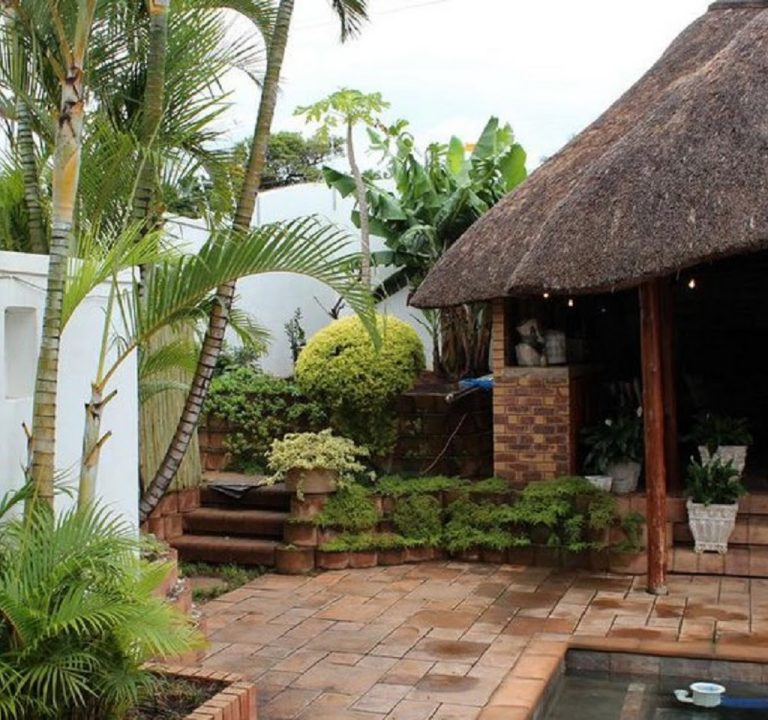
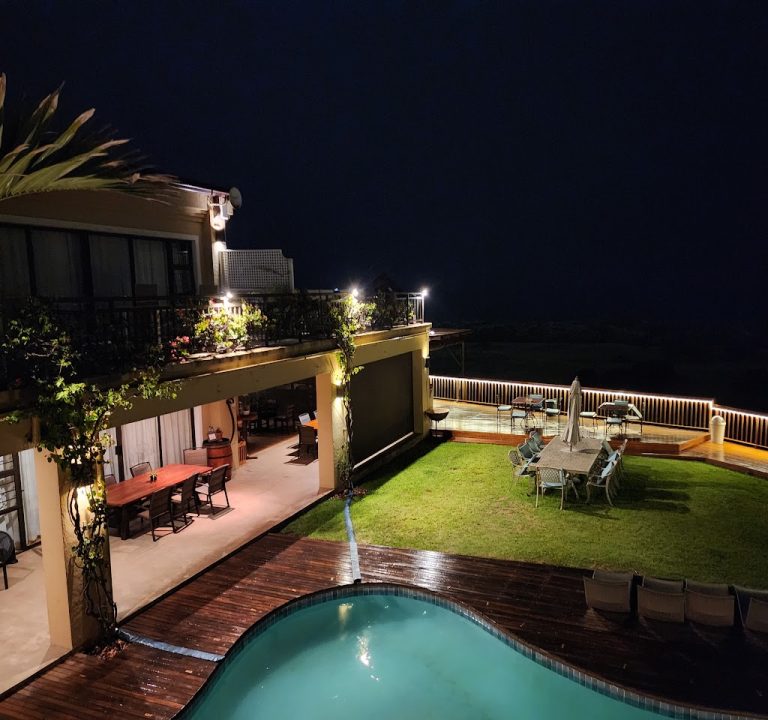
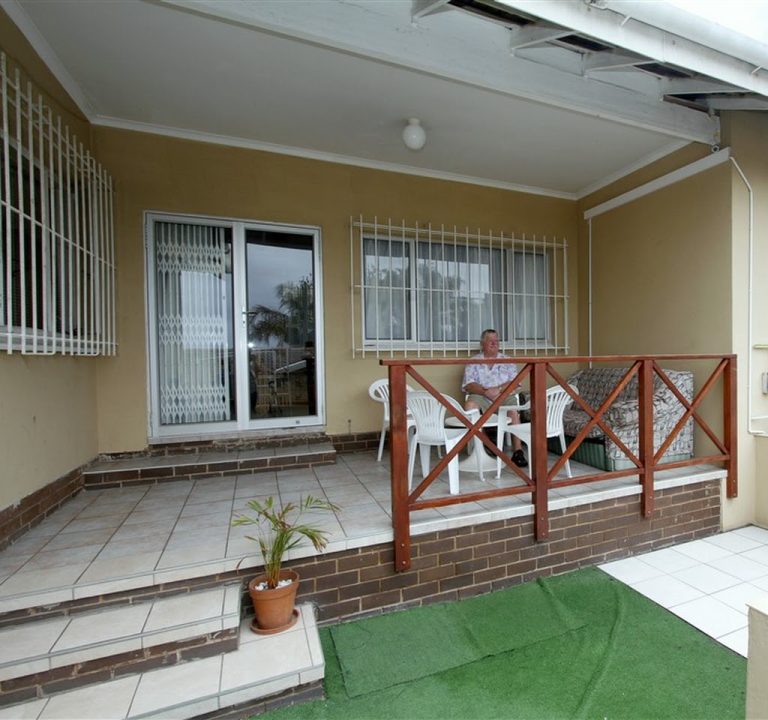
When choosing accommodation, think about what matters most for your plans. If you will be out exploring the city by day and back late in the evening, a well‑located, secure option with good access to transport will help you maximise your days. If you prefer a quieter base, look for places set back from main roads and with soundproofing. For families, a stay with a kitchenette or self‑catering facilities can reduce dining costs and offer flexibility around meal times. For longer stays, consider options with laundry facilities, reliable Wi‑Fi, and on‑site parking or easy street parking arrangements. A good option to consider as a reference point is Ocean View Bnb, a Durban indoor lodging option that illustrates how a comfortable, well-located base can work for different types of travellers.
Typical amenities to look for include air conditioning or good ventilation for Durban’s warm seasons, reliable Wi‑Fi, comfortable beds with quality linens, and en‑suite bathrooms where possible. On‑site facilities such as a reception, daily housekeeping, secure access, and guest lounges can enhance convenience. If you plan to stay for a while, a small kitchenette or access to a shared kitchen can be particularly valuable. Some guests appreciate a small pool or a shaded outdoor area to unwind after a day of sightseeing, while others prioritise a strong breakfast offering or access to a communal barbecue area for sociable evenings.
Transport in Durban is well served by a mix of Uber, taxi services, and minibus taxis, with major routes along the coast and into the city centre. When booking, check how easy it is to reach the popular beaches, museums, and markets from your accommodation. If you expect to rely on public transport, choosing a property near a main bus route or within walking distance to a taxi rank can save time and stress. For self‑drivers, ask about parking facilities, whether parking is onsite or secure street parking, and any associated costs. If you intend to travel to nature reserves or outlying attractions, a car will offer maximum flexibility, especially if you plan to explore in day trips during weekends.
The best time to visit Durban is generally during the warmer months, from late spring to early autumn, when the beaches are most inviting and outdoor activities are at their peak. The city can be humid in the summer, so many guests appreciate a comfortable indoor space with good air conditioning. Shoulder seasons between autumn and winter often provide fewer crowds and a more relaxed pace. If you are fond of markets, music, and street food, visiting on weekends or public holidays can offer an extra dose of authentic Durban life, though it can be busier then.
Practical tips to help you plan your stay:
- Book accommodation with easy access to the places you want to visit, whether that means a short walk to the promenade or a quick ride to the city’s museums and markets.
- Check for small touches that improve convenience, such as a kitchenette, laundry facilities, and close‑by parking.
- Read recent guest reviews to gauge cleanliness, host responsiveness and the accuracy of listed facilities.
- Pack sensible footwear for uneven pavements and comfortable clothing for warm, humid days and cooler evenings along the coast.
Durban’s dining scene is as diverse as its neighbourhoods. You can expect a range of casual cafés, family eateries, and more refined restaurants offering coastal seafood, street‑food inspired dishes, and multi‑cuisine menus. When you dine out, plan for a mix of relaxed breakfasts near the beach, lunch spots in the city centre, and dinner venues that reflect the local fusion influences. In addition to restaurants, the city offers markets and food halls where you can sample fresh produce, spices, and prepared foods in a lively, social atmosphere. For those who prefer guided experiences, many operators offer day trips or half‑day programmes to nearby attractions, from wildlife reserves to cultural sites and garden routes, making Durban a practical hub for varied activities without long daily commutes.
In summary, a Durban stay can be as relaxed or as active as you choose. By selecting accommodation with a suitable location, sensible amenity mix, and efficient transport options, you can base yourself comfortably while exploring the coast, the city’s cultural layers, and the surrounding natural beauty. With thoughtful planning, your Durban visit can combine restful stays, memorable meals, and easy access to the experiences that make KwaZulu‑Natal such a popular destination.