Durban: Accommodation, attractions and planning a memorable stay
Durban, a dynamic coastal city in KwaZulu-Natal, offers a warm subtropical climate, palm-fringed beaches and a rich mix of cultural experiences. When planning a stay, consider the different neighbourhoods to match your interests, from family-friendly beaches and laid‑back coastal villages to vibrant urban quarters with superb dining and nightlife. Durban’s accommodation ranges from boutique B&Bs and guesthouses to stylish hotels and lodges, many with convenient access to the city’s entertainment zones, transport links and seaside promenades.
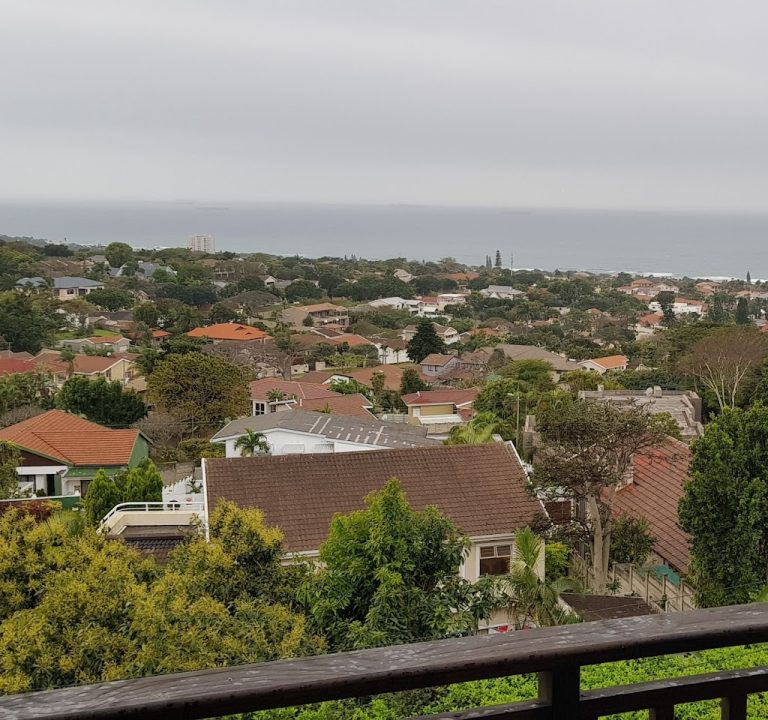
Umhlanga is one of the most popular areas for visitors seeking a refined beachfront experience. It is known for long sandy stretches, modern apartment complexes, and a selection of guesthouses and B&Bs that often come with easy access to shops, cafés and spa facilities. If you prefer a quieter, more intimate setting, a stay at a dedicated bed and breakfast such as Umhlanga Lodge can provide a personalised welcome, comfortable rooms and a hearty breakfast to start the day. For travellers who enjoy easy access to the city’s central sights while still being close to the coast, the central Golden Mile precinct offers a convenient base with a mix of mid-range hotels and guesthouses near beaches, promenades and attractions.
When choosing accommodation, think about proximity to transport and what you plan to do each day. Durban’s road network is generally straightforward, but during peak times access to the coast can slow slightly, especially on weekends. A property near the Umgeni River mouth, the city centre, or the beachfront can save time on walks and short drives to major attractions. If you prefer a car‑free stay, look for places close to taxi routes or a reliable ride‑hailing option, with some areas offering more pedestrian routes and cycle lanes than others.
Typical amenities to expect in Durban’s guesthouses and smaller hotels include a comfortable bed, en-suite bathroom, daily breakfast, and reliable Wi‑Fi. Some properties offer additional perks such as on-site parking, a small outdoor pool, and a guest lounge or garden. For families, look for accommodation with family rooms, larger suites, or close-by eateries that cater to children. For couples or solo travellers seeking a boutique experience, a stylishly appointed room with a private entrance or terrace can add a special touch to the stay. If you have mobility considerations, filter for properties with accessible features and ground‑floor rooms where possible.
Durban’s climate is sub-tropical, with warm summers and mild winters. The best time to visit for beach days is generally from October to April, when seas are calm and conditions are ideal for swimming and sunbathing. Winter months (May to August) can be cooler, with pleasant days and the opportunity to explore the city’s cultural sights and markets without the peak summer crowds. The city hosts a variety of events throughout the year, from outdoor performances to food markets, so checking local listings ahead of your trip can help you tailor your itinerary to your interests.
Beyond where to stay, plan your days around a blend of light outdoor activities and cultural experiences. Durban’s coastline offers long, walkable promenades perfect for strolls at sunrise or sunset. The harbour and marina areas provide a chance to observe shipping traffic and enjoy seafood in casual eateries nearby. Cultural highlights include museums and galleries that trace the region’s history, as well as markets and craft stalls where you can purchase handmade wares and sample local flavours. For families, practical options include days at safe beaches with lifeguards, or visiting water‑based attractions that emphasise gentle fun for all ages. For food lovers, Durban’s dining scene ranges from casual beachside cafés offering fresh seafood to stylish restaurants with contemporary menus inspired by global flavours.
When it comes to planning transport, Durban’s MyCiTi bus network covers many tourist-friendly routes, while ride‑hailing services are widely available for shorter trips. If you are self‑driving, early mornings or late afternoons are often quieter for accessing coastal areas and popular inland sites. Book your stay with a reputable property that provides clear information on check‑in times, bag storage options, and any local guidance on neighbourhood safety and best routes to major sights.
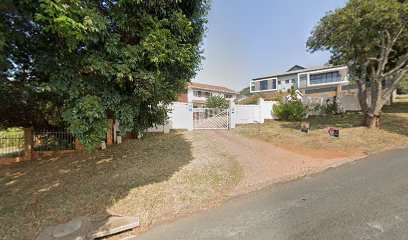
Sample accommodation option to consider is Umhlanga Lodge, a bed & breakfast that emphasises a warm welcome and home‑from‑home comfort. For those who enjoy direct links to the coast, exploring the lodge’s location and nearby beaches can form a relaxing start or end to a busy day. Visitors can book through the property’s official site, which offers details on rooms, breakfast offerings and access to the area’s amenities. For additional ideas, a selection of other B&Bs, guesthouses and mid‑range hotels in Durban can provide varied atmospheres—from contemporary coastal styles to traditional hospitality—helping travellers tailor a stay to their budget and preferences. Umhlanga Lodge remains a helpful example of the kinds of accommodation that contribute to a comfortable, well‑located Durban visit.
- Research neighbourhoods based on your activities (beach days, markets, cultural sites, nightlife).
- Check for breakfast options and parking availability; confirm accessibility if needed.
- Consider transport links to main attractions and the city centre.
- Look for guest reviews focusing on cleanliness, helpful staff and sleep quality.
- Plan a balanced itinerary with both coastal and inland sights to avoid crowding.
Durban offers a welcoming blend of sunshine, sea air and cultural experiences. With thoughtful accommodation choices and a well‑structured plan, your stay can be smooth, enjoyable and richly rewarding, whatever pace you prefer.