Durban: where to stay, savour the city, and plan your visit
Durban, on KwaZulu-Natal’s coastline, offers a warm mix of subtropical charm, bustling coastal boulevards, and a welcoming hospitality scene. When planning a stay, consider the different neighbourhoods and what you want to experience: the sandy beaches and promenades, leafy residential streets, or the lively city centre with easy access to markets and cultural sites. Durban’s guest houses, boutique hotels, lodges, and serviced apartments provide a range of options for different budgets and styles, from sea-view stays to convenient city base camps.
Areas to consider
- Frontline beaches and popular tourist zones: staying near the blue-flag coastline makes days on the sand and evening strolls easy, with many dining options within a short walk.
- Beach-adjacent suburbs: historic and leafy pockets offer a quieter base, while still being close to cafés, restaurants, and convenient transport links.
- Central and inland districts: for easy access to markets, museums, galleries, and the vibrant street life, with a choice of guest houses and small hotels.
- Suburbs with boutique appeal: some areas provide a more residential feel, often with personalised service and a curated selection of rooms or suites.
What to look for when booking
- Location relative to planned activities: if you intend long beach days, a seaside location saves transit time; for museums and markets, a central or nearby base can cut travel time.
- Transport access: check proximity to major routes, taxi services, and public transport options. Durban’s MyCiTi bus network and regional taxis can simplify getting around.
- Room layout and privacy: some guest houses offer private entrances or en-suite facilities; consider whether you prefer a shared lounge, a kitchenette, or full guest facilities.
- Amenities that matter: reliable Wi‑Fi, air conditioning or fans, secure parking, and breakfast options are common makes-or-break factors in Durban’s warm climate.
- House rules and service style: some properties emphasize personalised hospitality with hosts on-site, while others operate more independently with self-catering facilities.
- Safety and neighbourhood character: read recent guest reviews for noise levels, lighting at night, and general safety pointers in the area.
Typical amenities and experiences
- Serene sleep options: comfortable beds, dark curtains, and climate control help you rest after sun-filled days.
- In-room essentials: private bathrooms, coffee or tea facilities, fresh towels, and adequate storage are standard in well-run guest houses.
- Shared spaces: inviting lounges, verandas, or courtyards provide places to mingle with other travellers or unwind with a book.
- Breakfast and dining: many properties offer continental or cooked breakfast; some provide dinner options or suggestions for nearby eateries.
- Local touches: guides to the neighbourhood, recommendations for markets, and assistance in planning day trips or longer explorations are common in guest-focused accommodation.
- Accessibility: if required, check for step-free access, wide doorways, and other accessibility features.
Transport and getting around
- Driving and parking: Durban’s coastal roads can be busy in peak times; verify parking availability and whether a property offers secure on-site parking.
- Public transport: the MyCiTi network is useful for coastal areas and central locations; timetable reliability and routes are worth confirming before booking.
- Taxis and rideshares: widely available, with many properties able to arrange or advise on transport during your stay.
- Day trips: Durban serves as a gateway to the inland hills, nature reserves, and coastal towns; many guests plan a mix of city exploration and easy day trips.
Best time to visit
- Weather window: Durban benefits from a warm subtropical climate most of the year. Winters are mild, while summer brings heat and occasional rain showers; plan indoor or shaded activities for the hottest afternoons.
- Peak periods: school holidays and holiday weekends can be busier, with higher room demand and prices. Booking ahead is advisable if visiting during these times.
- Sea and climate considerations: sea swimming is most enjoyable in warmer months, while shoulder seasons can offer pleasant conditions with fewer crowds.
Practical tips
- Book ahead for coastal stays during peak seasons and weekends to secure best-value rooms.
- Read guest reviews focusing on cleanliness, shade, and quiet hours to set realistic expectations.
- If you have specific needs (families, mobility, pet-friendly requirements), filter searches accordingly and contact hosts for confirmation.
- Check cancellation policies and whether breakfast or other meals are included, as this affects daily budgeting.
- Have a rough plan of key sights and a flexible day-by-day outline to make the most of stays without overscheduling.
Attractions and dining landscape (general terms)
Durban’s attractions cover a broad spectrum—from long stretches of sandy beaches and promenade walks to markets, museums, and cultural precincts. Visitors commonly combine a coastal day with a foray into the city’s historic districts, where architecture and heritage blend with contemporary cafés and casual eateries. Dining options range from casual South African favourites to modern bistros offering vibrant, globally inspired flavours. In the evenings, the city’s lively restaurant scene often has neighbourhood venues that suit relaxed conversations and socialising after a day of sightseeing.
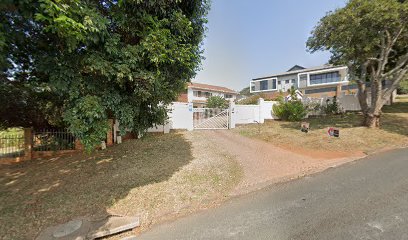
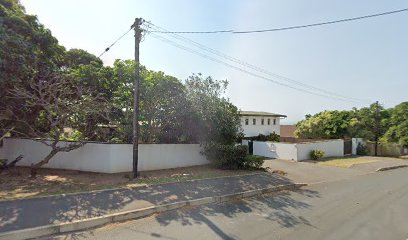
AsoRock villa GuestHouse La-Lucia or similar guest houses in Durban can serve as comfortable anchors for a stay, offering personalised hospitality in convenient locations. When planning, consider your preferred atmosphere—whether a tranquil retreat near the water or a central base close to markets and galleries—and align your booking with your itinerary to make the most of Durban’s warmth, hospitality, and diverse experiences.
For more information on potential stays, look for official property pages or reputable travel guides that provide current details on rooms, rates, and guest reviews. Links to official websites can help you compare locations, amenities, and proximity to the city’s top attractions.