Cape Town: Accommodation, attractions and planning a memorable stay
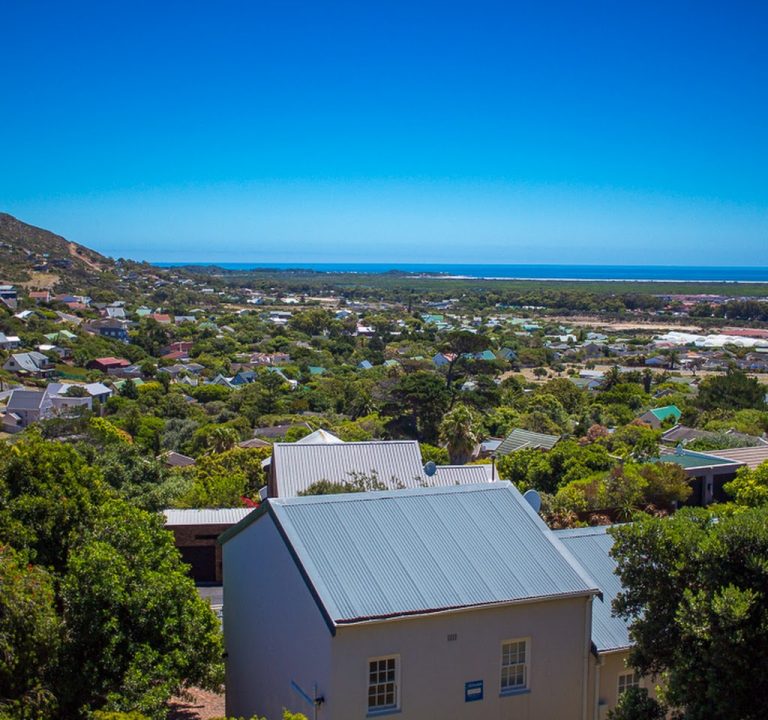
Cape Town offers a vibrant blend of coastal scenery, urban energy and easy access to nature, making it an ideal destination for a varied stay. When planning where to stay, think about the experience you want each day to begin with: a sea breeze on your balcony, sweeping views from a hillside guesthouse, or a modern boutique hotel near the city’s culinary and cultural heart. A stay at Ocean Sunset Cottage, for example, can provide a cosy base with a friendly, home-from-home atmosphere, while still being well placed for exploring the wider Western Cape region.
Accommodation options in and around Cape Town range from traditional bed & breakfasts and guesthouses to boutique hotels and self-catering apartments. The city’s neighbourhoods each offer a distinct flavour: the City Bowl puts you within easy reach of museums, markets and restaurants; the Atlantic Seaboard, including areas such as Camps Bay and
Llandudno, provides dramatic ocean views and convenient access to beaches; Green Point and the V&A Waterfront offer a lively, tourist-friendly hub; and suburban enclaves like Constantia or the southern suburbs provide a quieter, more residential feel with winery routes nearby. Booking sites and direct websites can help you compare room types, breakfast options, and whether the property offers parking, Wi‑Fi, and flexible check-in times.
When choosing accommodation, consider several practical factors. Proximity to public transport or reliable rideshare options makes day trips easier, especially if you plan to visit Cape Point or the Cape Winelands. If you rely on a car, look for on-site parking or nearby, safe street parking. For visitors who want a blend of sightseeing and relaxation, a property with a balcony or a sea-facing room can amplify the experience. Breakfast arrangements matter too: some places offer hearty continental or cooked options, while others provide light self-catering facilities or fully serviced stays.
Typical amenities you might encounter include free Wi‑Fi, daily housekeeping, private bathrooms, and well-equipped kitchens or kitchenettes in self-catering units. Generous common spaces, such as lounges, verandahs or gardens, are excellent for socialising or simply unwinding after a day on the hills or by the bay. If you’re travelling with family or a group, check the number of beds and whether a sleeper sofa or extra cots are available. Accessibility is another consideration; some guesthouses and boutique hotels provide ground-floor rooms or lifts for ease of movement.
Transport in Cape Town is very supportable for most visitors. The city benefits from a dependable MyCiTi bus network in central areas and along major routes, while rideshare services are widely available. If you plan to explore beyond the immediate city, you might arrange a day trip to the Cape Peninsula, the Constantia wine estates, or the fynbos-rich mountains. For those staying near the Atlantic coast, a morning stroll along the beach or a sunset drive along the coast can be a daily highlight. Always factor peak traffic times into your plans, particularly on routes to popular beaches or nature reserves during weekends and holidays.
The best time to visit Cape Town depends on what you want from your trip. Spring and autumn bring mild temperatures and calmer winds, ideal for outdoor activities and hiking. Summer offers peak sunshine and lively beachfront atmosphere, with more café and restaurant openings along the coastline. Winter can be cooler and windy, yet it’s a great time to explore museums, markets and indoor attractions with fewer crowds. Pack layers to cover coastal breezes and variable weather, and remember that coastal days can change quickly from sunny to overcast.
Beyond where you stay, the city’s attractions and culinary scene offer broad appeal. In general terms, visitors can enjoy scenic viewpoints, historic neighbourhoods, harbour views, and outdoor experiences such as walks up Table Mountain, coastal trails, or harbour cruises. Dining in Cape Town ranges from casual eateries serving local flavours to refined restaurants offering panoramic city or sea vistas. When planning meals out, consider reservations for popular weekends or sunset slots, especially in famed districts with a high concentration of restaurants. Many venues also offer tasting menus, seasonal menus highlighting fresh produce, and wine-pairing options tied to the region’s excellent wines.
Practical planning tips for a smooth stay:
- Book accommodation with clear check-in instructions and flexible policies where possible, especially if travel plans might shift.
- Check access to reliable Wi‑Fi and a work area if you need to combine travel with alarms or remote work.
- Consider safety and security features in the area you choose, and use well-lit streets for evening strolls.
- Ask hosts or hotel staff for local advice on safer beaches, markets, and transportation timings.
- Factor in time for a few slower mornings to enjoy coffee on a balcony or a stroll through nearby neighbourhoods.
With its diverse options for places to stay and a wealth of experiences at hand, Cape Town invites visitors to tailor their itinerary to their pace and interests. Whether you seek a peaceful coastal retreat, a stylish urban base, or a gateway to the Western Cape’s wine routes and nature reserves, planning around neighbourhood character, transport access and essential amenities will help you make the most of your stay.