Exploring Cape Town: Where to stay, what to book, and how to make the most of your visit
Cape Town is a city of contrasts, from dramatic coastline to rolling mountain ranges, and a hospitality scene that ranges from intimate BnBs to stylish guesthouses and contemporary boutique hotels. When planning a stay, it helps to think about what you want to get out of your visit—be it beaches and sunsets, hillside views, historic streets, or easy access to the city’s many attractions. The following guidance offers practical tips on choosing accommodation, areas to consider, typical amenities, transport tips, and how to make the most of your time in this vibrant corner of the Western Cape.
Accommodation in Cape Town often clusters around a handful of well-known neighbourhoods, each with its own character. The Atlantic Seaboard areas, including Camps Bay and Sea Point, are prized for dramatic sea views, accessible promenades and a lively dining scene. The City Bowl and De Waterkant deliver a more urban atmosphere with easy access to museums, markets, and nightlife. Bo-Kaap, a charming historic quarter, offers colourful streets and cultural insights, while Constantia and the Southern Suburbs provide leafy tranquillity and easy access to wine routes. When choosing where to stay, consider how you plan to move around: coastal stretches may tempt strolls at sunset, while city centres offer walkable convenience and proximity to attractions.
Typical amenities vary by property type, but many guest houses and boutique stays in Cape Town offer comfortable beds, private or en-suite bathrooms, and the essentials you expect from a home-away-from-home. Look for reliable Wi‑Fi, flexible check-in, secure parking if you’re driving, and options for breakfast or light meals. Outdoor spaces—balconies, terraces, or gardens—are especially appealing in the warmer months, when you’ll likely want to enjoy the sun and fresh air. If you’re visiting in peak season, prioritise places with good air conditioning or ceiling fans, and clear information about nearby parking or transient parking rules.
Transport is an important consideration. The city has a public transport network, but many visitors prefer a mix of self-drive, rideshare apps, and organised transfers to maximise time. If you’re staying near the V&A Waterfront, you’ll find most sights within easy reach on foot or via short rides. If you plan day trips to the Cape Peninsula or to Constantia, a guest house with on-site parking or easy access to car hire can be very convenient. For guests without a car, choose accommodation near reliable bus routes, metro trains, or established tour departures to simplify day planning.
Best time to visit Cape Town hinges on weather and activity. The summer months (roughly November through February) are warm and sunny, ideal for beaches and outdoor adventures, though it can be busy. Spring and autumn offer milder weather and fewer crowds, which can be pleasant for hiking Table Mountain or exploring Kirstenbosch Gardens. Winter is cooler and wetter, but markets, museums, and indoor experiences remain accessible. If you’re planning a wine‑country day trip to Constantia or nearby areas, consider the convenience of a stay that allows you to travel early and return late without feeling rushed.
When planning activities, think about a balanced itinerary. Iconic natural experiences include a cable car ascent or sunrise hike on Table Mountain, a visit to the Cape Peninsula’s coastal viewpoints, and a trip to Kirstenbosch National Botanical Garden. Cultural highlights emerge from walking the historic precincts, exploring markets, and taking in South Africa’s maritime and colonial heritage at museums and galleries. For meals, look for places that offer fresh seafood, modern South African cuisine, and light, vibrant cafés that suit morning starts or afternoon breaks. A relaxed evening might involve a sunset view at a beachside location or a neighbourhood restaurant with a casual atmosphere and good locally-sourced ingredients.
Booking tips to help you secure a comfortable stay:
- Check the property’s description for room types, bed sizes, and whether there is a private bathroom.
- Look for flexible cancellation policies, especially if travel plans may change.
- Consider properties that offer breakfast or easy access to nearby cafés, which can simplify morning routines.
- Ask about parking arrangements if you will be driving, including any charges or limitations.
- Review guest reviews for feedback on cleanliness, noise levels, and the responsiveness of hosts.
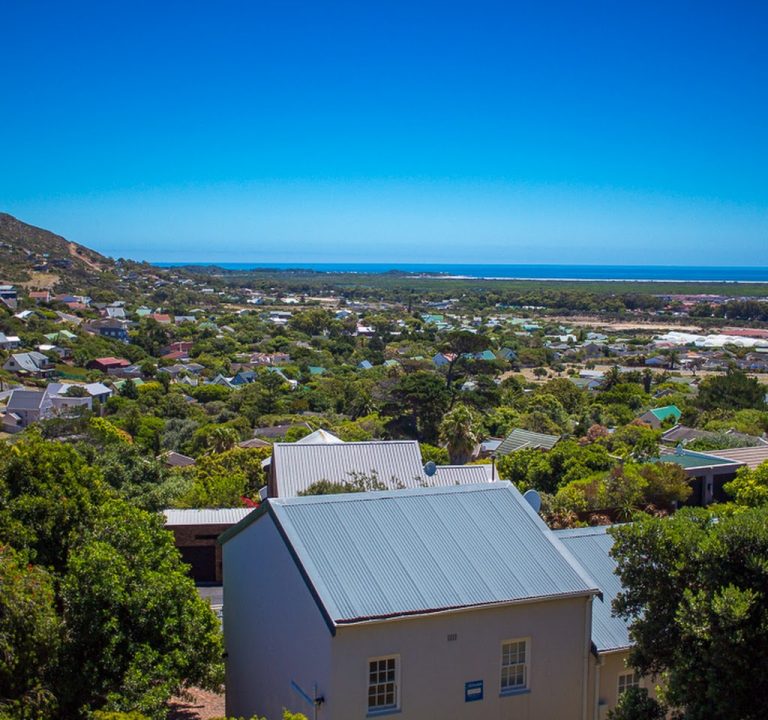
One example of a guest house offering a welcoming base in the city’s varied neighbourhoods is Sunbird Nest. It is listed as a guest house with a dedicated booking page, and its location and setup can be a convenient option for travellers seeking a homely feel with proximity to Cape Town’s harbour area and other sights. For details and availability, you can view the listing at the provided booking site: https://www.booking.com/hotel/za/sunbird-nest.html.
Lastly, a few practical tips to help you plan efficiently: book early for peak seasons to secure preferred rooms and locations, and map out your must-see sights with realistic travel times between them. Cape Town rewards a well-paced visit that blends outdoor time with cultural exploration, punctuated by scenic coastal drives and the occasional good meal. With thoughtful selection of where you stay and how you move, you can tailor a stay that feels both restful and adventurous, making the most of the city’s energy while returning to comfortable accommodation at the end of each day.