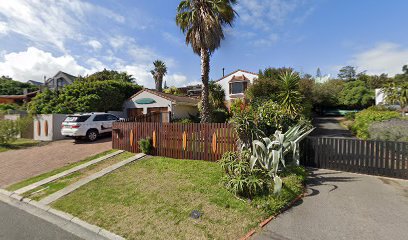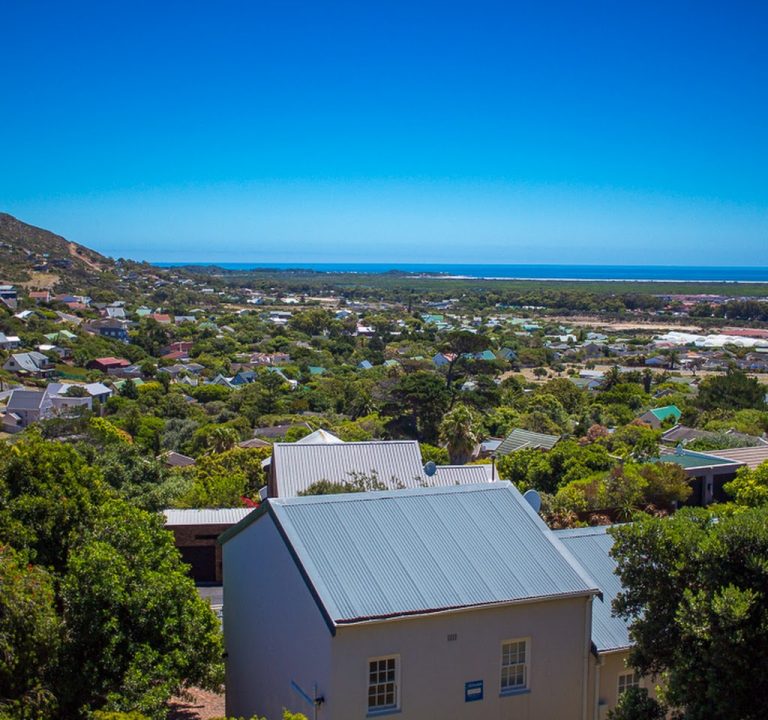
Cape Point Surf Yoga Camp is a Surf school establishment in Cape Town, Western Cape, South Africa
Cape Point Surf Yoga Camp: A small, high-energy base for surf, yoga and Cape Town exploration
Nestled in the Cape Town region of the Western Cape, Cape Point Surf Yoga Camp presents a focused, family-like atmosphere where surf and yoga sessions are the core of the daily rhythm. The operation emphasises intimate group handling, ensuring personalised coaching and meaningful progress for each guest. With a stated aim of helping participants surf more confidently and enjoy the balance that yoga brings, the camp is designed for action‑packed days that still leave space to unwind and reflect in the company of fellow travellers.
Guests arrive into a purpose‑built surf and yoga home where the programme is organised around two daily surf sessions, with optional yoga woven into the schedule. This structure supports a wide range of abilities—from complete beginners to those seeking to sharpen technique and ride greener waves. A key feature of the experience is the emphasis on progression, aided by professional instruction and performance‑review tools that may include GoPro footage to analyse form and technique. The result is an accessible, distraction‑free learning environment where participants can advance at a comfortable pace while enjoying the camaraderie of a small group.
Accommodation at the camp is deliberately compact to preserve the high‑quality experience. The Surf Yoga House offers three different room options, each designed to keep groups small and the community close. Communal spaces include a kitchen where meals are prepared and shared, a cosy lounge with a view and a fireplace, and an outdoor veranda that doubles as a relaxation zone. A dedicated chill‑out area, featuring a jacuzzi, provides a relaxed setting for winding down after a day of waves and yoga. While specific room configurations vary, the arrangement is intended to balance privacy with sociable living, ensuring guests can rest well between sessions.
The on‑site ethos blends surf coaching with mindful movement. Steffi Ninow leads yoga instruction, complementing Raymond Ninow’s surf guidance, and the couple’s background in hospitality helps create an energetic yet welcoming home away from home. This collaborative approach aims to foster a sense of belonging, so guests are treated as part of the family rather than as anonymous participants. The atmosphere is described as inclusive and non‑judgemental, encouraging guests to explore both disciplines while becoming more aware of body, breath and balance.
Packages are designed to suit diverse stay lengths and preferences. Surf and Yoga Packages combine two daily surf sessions with yoga, and there is flexibility to align mornings or evenings with yoga depending on conditions and mood. For those who prefer to focus primarily on surfing, Surf ’n Stay Packages concentrate attention on the waves while maintaining the same level of coaching and meals. The option to Make Your Own Package allows travellers to tailor a stay that fits personalised itineraries, highlighting the camp’s willingness to adapt without charging extra for custom arrangements. A notable policy is the inclusion of two surf sessions per day across packages, with the understanding that participation in both sessions is part of the price.
What guests experience beyond the studio and the breaks is a gentle invitation to explore the wider Cape Town area. The owners invite visitors to discover iconic neighbours such as the wild Cape Point and Table Mountain, alongside local markets and events that showcase Cape Town’s vibrant cultural scene. While the primary focus remains on surf and yoga, there is an encouragement to discover the surrounding landscapes and experiences that make Cape Town a year‑round destination for active travellers.
Who benefits most from this camp? It is well suited to individuals or small groups seeking a compact, high‑quality, instructor‑led programme that concentrates on skill development without the distraction of a large‑scale operation. With a maximum guest count kept deliberately low, the experience is ideal for those who value personalised attention and a strong sense of community. It is also attractive to travellers who want a structured yet flexible schedule that accommodates both surfing progress and yoga practice, all in a location that serves as a base for exploring Cape Town’s diverse highlights.
Booking tips for prospective guests include noting the camp’s flexible approach to stay lengths and activities. Inquiries about custom packages are welcomed, and rapid responses are promised, reflecting the owners’ hands‑on hospitality style. Practical planning should consider the availability of two daily surf sessions, the inclusion of meals within most package options, and the likelihood of sharing spaces in a small, intimate setting. For those seeking further information or to connect with the team, the camp’s online presence (including a dedicated Yoga Studio page and social media) provides a window into current offerings, community feedback, and the ongoing stoke that defines Cape Point Surf Yoga Camp.
- Nearby experiences to complement the stay include Cape Point and Table Mountain, with opportunities to explore local markets and events during visits.
More details, booking options and insights into the current packages can be explored via the camp’s website, including the dedicated pages for packages, surf and stay, and the on‑site Yoga Studio, which together convey the pace, philosophy and location of this traveller‑friendly Cape Town base.
Cape Town
Western Cape
7975
South Africa


Cape Town: Accommodation, activities and planning your stay
Cape Town offers a wide range of stays for every traveller, from intimate guesthouses tucked into colourful neighbourhoods to modern apartments with views over the Atlantic. When planning a visit, think about what you want to prioritise: proximity to the city centre for museums and dining, beachfront access for long walks and sea breezes, or easy access to the famous Table Mountain and Cape Point. A well-considered mix of neighbourhoods can give you both convenience and enchantment during your stay.
Key areas to consider include the City Bowl and the V&A Waterfront for buzz, dining and nightlife; the Atlantic Seaboard (including Sea Point and Bantry Bay) for sea views and a calmer ambience; Camps Bay and Clifton for iconic beaches and sunsets; and Muizenberg or Kalk Bay for a more laid‑back coastal vibe with strong local character. Constantia and Hout Bay offer excellent vineyard and harbour options, respectively, if you’d like a day trip away from the city core without straying far from the coast.
Booking considerations: look for hosts and properties that clearly state the sleeping arrangements, communal spaces and self-catering facilities. A kitchen or kitchenette is particularly helpful if you’re travelling with family or a group. In Cape Town, many smaller guesthouses and boutique hotels emphasise communal spaces, such as lounges, verandas or rooftop decks, which can be perfect for relaxing after long days of exploring. Check if your stay offers easy access to public transport or reliable Uber availability, and whether breakfast is included or close by cafés you can easily reach on foot or by short ride.
Transport and getting around: while some areas are walkable, Cape Town benefits from a reliable network of buses, ride-hailing services and scenic routes by car. If you’re staying near Table Mountain or the Atlantic coast, you’ll likely want a flexible transport plan for evenings out or day trips to Cape Point or the Cape Winelands. A mix of short rides and occasional longer journeys works well if you’re keen to sample several neighbourhoods without the hassle of driving every day.
Amenities you’ll typically find in well-run stays include free Wi‑Fi, daily housekeeping or tidy self‑catering options, and access to laundry facilities. Many guesthouses and boutique hotels in Cape Town pride themselves on comfortable beds, good heating or cooling, and attention to local detail in décor and service. If you’re seeking a more active break, consider properties that partner with local experiences, such as surf schools, guided hikes up Table Mountain, or market-based food adventures, which can help you connect with the city’s character rather than just ticking sights off a list.
Best time to visit: Cape Town enjoys mild to warm summers and cooler winters. Spring (September to November) and autumn (March to May) are particularly pleasant for outdoor activities and wildlife seeking. Winter (June to August) brings cooler seas and bigger swells for surfers, so it’s a good time to pair seaside stays with cosy restaurants and indoor cultural experiences. If you’re chasing good surf, plan with local tide and wave forecasts and book with a surf-friendly accommodation or camp that can tailor sessions to the conditions.
Practical tips to help you plan:
- Book early in peak seasons, especially if you want beachfront or city-centre stays with great reviews.
- Read guest reviews focusing on service, safety, and accessibility from transport hubs.
- Consider a flexible package that combines a few nights in a central district with a couple of nights in a coastal village for variety.
- Keep a rough itinerary balanced between iconic experiences (Table Mountain, Robben Island, Cape Point) and day trips to nearby towns or wine farms.
- Pack layers and a waterproof jacket; coastal weather can shift quickly, even on sunny days.
Alongside sleeping arrangements, think about experiences that enrich your stay. Cape Town offers markets, harbour cruises, and nature reserves alongside iconic attractions like the nearby Peninsula and the mountain escarpment. For those seeking a surf-and-stay ethos, itineraries that pair daily surf sessions with relaxed yoga or wellness components can be especially refreshing after long days of exploration. A strong base can be found in stays that emphasise local knowledge and warm hospitality, helping you uncover the city’s rhythms beyond the obvious sights.
For inspiration on purpose-built stays with an immersive approach to the Cape, you might explore options such as Cape Point Surf Yoga Camp, which combines surf coaching with yoga in a family-friendly setting near Cape Town. Their focus on small group experiences and personalised coaching aligns well with travellers who want to balance physical activity with time to soak up scenery and local culture. Learn more about such packages and how they might fit your plan at their site: Cape Point Surf Yoga Camp.
Sorry, no records were found. Please adjust your search criteria and try again.
Sorry, unable to load the Maps API.
Why Claim Your Listing?
Claiming your listing on the B&B Finder directory website is a valuable opportunity for business owners. Here are five reasons why you should consider claiming your listings:
Control Over Business Information: By claiming their listing, business owners can ensure that all the information presented is accurate and up-to-date. This includes details such as contact information, address, pricing, and available services or amenities. Accurate information helps prevent customer confusion and improves overall satisfaction.
Enhance the Listing: Once a listing is claimed, owners can enhance it by adding more comprehensive information and rich media, like high-quality photos and videos. These additions can make the listing more attractive and engaging to potential customers, thereby increasing the likelihood of bookings.
Marketing Opportunities: Claiming a listing can also open up additional marketing opportunities. Owners may be able to participate in promotional campaigns, special offers, and other marketing activities organized by the directory. This can increase visibility and attract more customers to the business.