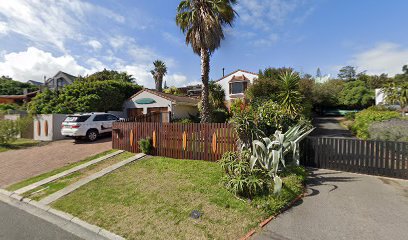
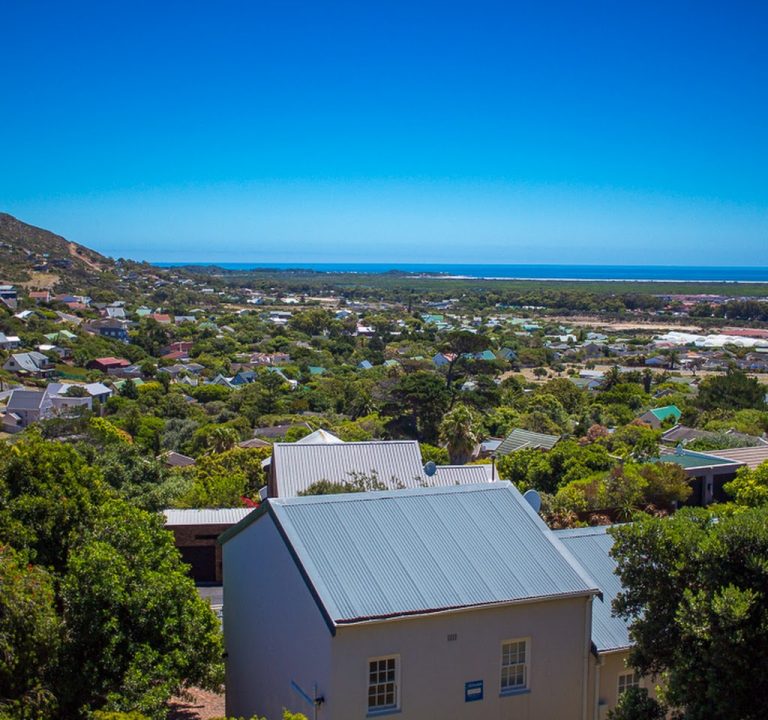
Java Lodge is a Lodge establishment in Cape Town, Western Cape, South Africa
About Java Lodge, Cape Town
Java Lodge in Cape Town, Western Cape, South Africa is presented as a local lodging option within the Booking.com listings. The primary source provides a broad overview of the property’s presence in the city, without listing explicit details about room types, on-site facilities, or policy specifics. This means that prospective guests will need to consult the official Booking.com page for the most current information, while keeping in mind that the page functions as a gateway to a stay rooted in Cape Town’s vibrant and diverse neighbourhoods.
As a traveller-friendly base in a city known for its striking geography, Java Lodge is positioned to serve visitors who seek convenient access to Cape Town’s many highlights. The listing’s strength lies in its location within a world-class destination, offering a potential stepping stone to savour the city’s culture, scenery, and everyday South African life. While exact room configurations and amenities are not clearly enumerated here, ongoing stays in Cape Town typically benefit from thoughtful design, guest reviews, and reliable booking support—factors that inform a comfortable and predictable travel experience.
Accommodation style and amenities are not explicitly detailed on the primary source. Therefore, for those who value consistency and clarity, it is advisable to review the Booking.com page directly to confirm room features, bed arrangements, en-suite facilities, and any on-site services. In many Cape Town properties, common considerations include straightforward room layouts, daily housekeeping, and access to communal spaces, but specific offerings at Java Lodge should be confirmed through the official listing before finalising plans.
Java Lodge is likely to appeal to travellers looking for a straightforward South African stay that aligns with an urban exploration rhythm—where mornings begin with a convenient start to the day and evenings offer a chance to unwind after discovering local markets, beaches, or hillside viewpoints. The third-person presentation emphasises practicality and accessibility, suitable for those who prioritise location, value, and a smooth planning process over niche, luxury-only experiences.
For visitors who appreciate guidance when navigating a new city, Booking.com’s platform provides standard features such as guest reviews, price comparisons, and flexible search options. These tools help guests make informed choices about when and how to book, what to expect from a stay, and how to optimise travel plans around Cape Town’s seasonal charms. While the specific services at Java Lodge are not itemised here, the Booking.com listing remains a reliable portal to verify current room rates, cancellation terms, and availability.
Nearby highlights in Cape Town are among the city’s most compelling reasons to travel there, including natural beauty, cultural experiences, and a renowned dining scene. Although the exact points of interest near Java Lodge aren’t listed in this overview, visitors typically look for easy access to a mix of beaches, historic neighbourhoods, and outdoor scenery, coupled with vibrant city life. The property’s Cape Town setting invites exploration of both urban and natural attractions, often within short drives or public transit links.
Booking tips for potential guests include leveraging the platform’s free cancellation policies where available, reading recent guest reviews for practical insights into comfort and service levels, and confirming any additional costs or terms before finalising a booking. It is also sensible to verify check-in times, payment requirements, and whether the price shown includes mandatory fees or taxes. The official listing link provides the most up-to-date information on these practicalities.
For anyone planning a Cape Town itinerary, Java Lodge can be considered as a practical lodging option that fits into a broader travel plan—one that balances city exploration with opportunities to sample local life and Cape Town’s scenic surrounds. Those interested can learn more and make a booking through the property’s Booking.com page, which serves as the primary entry point for reservations and essential stay details: Java Lodge on Booking.com.
- Assess room options and on-site facilities directly on the Booking.com listing before booking
- Review recent guest feedback to gauge comfort, cleanliness, and service levels
- Check cancellation terms and any additional charges to avoid surprises
- Plan to combine a stay at Java Lodge with Cape Town’s diverse neighbourhoods and natural attractions
Cape Town
Western Cape
7975
South Africa


Cape Town: where to stay, next to iconic sights, and how to plan a memorable visit
With a dramatic coastline, surrounding mountains and a wealth of cultural experiences, Cape Town offers a wide range of accommodation to suit every traveller. From boutique guesthouses to full-service lodges, you can base your stay in areas that place you close to the city’s highlights or a little further afield for a slower pace. When planning a trip, consider what you want most from your stay—city vibes and easy access to sights, or a more relaxed, scenic neighbourhood with leafy streets and garden views.
Choosing the right neighbourhood is half the fun. The city centre and the adjacent City Bowl provide convenient access to museums, markets, and historic streets. The Atlantic Seaboard, including areas near the Camps Bay and Clifton beaches, offers ocean views, stylish eateries, and cosmopolitan atmospheres. For wine lovers and outdoor enthusiasts, the Constantia Valley and nearby Stellenbosch and Franschhoek offer wine estates, gourmet dining and spectacular countryside. If you’re seeking a quieter retreat within easy reach of the city, suburban lodges and guesthouses in neighbourhoods such as Observatory, Woodstock, or Green Point can provide charming, walkable options with reliable transport links.
When you book, look for practical amenities that suit your plans. Useful features include secure parking or easy access to public transport, reliable Wi‑Fi, off-street or heated pools for cooling off after a day of sightseeing, ensuite bathrooms, and well-equipped kitchens or snack facilities if you’re self-catering. Family-friendly options may offer larger suites or interconnecting rooms, while couples might prefer intimate rooms with view terraces or cosy lounges. Booking platforms commonly show guest reviews and photos, which can help you assess how accurately listings reflect reality.
Transport in Cape Town is varied and depends on where you stay. The MyCiTi bus network is a straightforward way to reach central sights, the V&A Waterfront, and the Atlantic beaches. If you plan day trips to the Winelands or the Cape Peninsula, a rental car can be the most convenient option, giving you flexibility for scenic drives and timed visits to estates. For those who prefer not to drive, many lodges and guesthouses arrange private transfers or offer shuttle services to popular destinations. When booking, check whether your host can assist with airport transfers or guided tours, which can simplify your itinerary greatly.
Best time to visit Cape Town is influenced by personal preference and weather. The summer months (December to February) are lively, with long days and outdoor events, but they are also peak tourist season. Spring (September to November) and autumn (March to May) bring milder temperatures and quieter streets, great for walking and vineyard visits. Winter (June to August) can be cooler and wetter, yet it is a wonderful time for enjoying the city’s dining scene and less crowded attractions. If you are chasing the famous flowers of spring, plan a visit around late August to early September. For whale watching and Cape Point scenery, consider late winter to early spring when coastal viewpoints are particularly rewarding.
To help you visualise a balanced stay, here is a quick guide to areas and what they offer:
- City Centre and Green Point: central access to museums, markets, and the waterfront; convenient public transport and short walks to major sights.
- Atlantic Seaboard (Camps Bay, Clifton, Sea Point): beaches, upscale dining, and sunset views; ideal for longer stays with a resort-like feel.
- Constantia and the southern suburbs: tranquil suburban lodges and expansive gardens; close to wine estates and mountain trails.
- Observatory and Woodstock: creative hubs, independent eateries, and a laid-back neighbourhood vibe; walkable with good local transport links.
When you arrive, a practical approach helps: confirm access instructions for late check-in, understand cleaning or housekeeping schedules, and check whether breakfast is included or if you’ll have a self-catering option. If you enjoy exploring on foot, choose accommodation with easy pedestrian routes to markets, coffee shops and viewpoints. For new experiences, plan a few experiences in advance—such as a cable-car ascent of Table Mountain on a clear day, a harbour cruise, or a guided walk through Kirstenbosch and the surrounding gardens. While there are many well-regarded dining and entertainment choices, it is sensible to reserve popular restaurants ahead of time, particularly in peak seasons.
For a sample stay linked to a well-appointed lodge option, consider Java Lodge, a lodge-style property that represents the kind of comfortable, personable accommodation travellers often seek in Cape Town. You can explore booking options through the listing page here: https://www.booking.com/hotel/za/java-lodge.html. This kind of lodge commonly offers spacious rooms, on-site dining or convenient access to eateries, and thoughtful guest services designed to ease travel planning.
Beyond your lodging, Cape Town offers diverse experiences: scenic beaches and viewpoints along the Atlantic coast, food markets and coastal walks, historic sites and museums, as well as winelands that combine countryside beauty with food and wine experiences. A thoughtfully planned itinerary that blends accommodation, transport, and must-see sights can help you enjoy both the energy of the city and the splendour of the surrounding region. For updates and practical inspiration, consider browsing reputable travel guides and accommodation platforms for the latest guidance and availability.
Sorry, no records were found. Please adjust your search criteria and try again.
Sorry, unable to load the Maps API.
Why Claim Your Listing?
Claiming your listing on the B&B Finder directory website is a valuable opportunity for business owners. Here are five reasons why you should consider claiming your listings:
Control Over Business Information: By claiming their listing, business owners can ensure that all the information presented is accurate and up-to-date. This includes details such as contact information, address, pricing, and available services or amenities. Accurate information helps prevent customer confusion and improves overall satisfaction.
Enhance the Listing: Once a listing is claimed, owners can enhance it by adding more comprehensive information and rich media, like high-quality photos and videos. These additions can make the listing more attractive and engaging to potential customers, thereby increasing the likelihood of bookings.
Marketing Opportunities: Claiming a listing can also open up additional marketing opportunities. Owners may be able to participate in promotional campaigns, special offers, and other marketing activities organized by the directory. This can increase visibility and attract more customers to the business.