Accommodating Cape Town: Lodges, BnBs and How to Plan a Perfect Stay
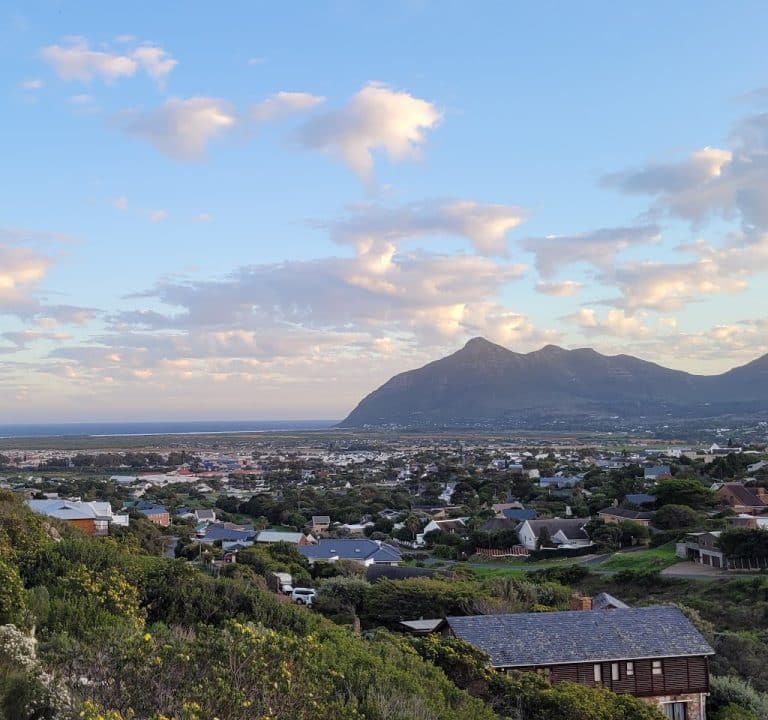
Few destinations offer such a diverse mix of scenery, culture and cuisine as Cape Town. From dramatic coastal drives and wine-country estates to vibrant urban neighbourhoods, planning a stay that balances relaxation with exploration is key. Whether you opt for a lodge with sweeping ocean views, a chic guesthouse in a leafy suburb, or a cosy B&B tucked into a terraced street, the city rewards thoughtful preparation with comfortable moments and memorable experiences.
Areas to consider for different flavours of the city:
- Atlantic Seaboard and Camps Bay: for beach access, chic restaurants and dramatic sunsets. Expect stylish lodges or modern guesthouses with sea views, easy parking, and proximity to clifftop walks and coastal trails.
- City Bowl and Gardens: ideal for walking proximity to museums, theatres, and historic architecture. Lodges and guesthouses here often feature characterful interiors and easy access to public transport.
- Constantia and Wynberg: winelands-adjacent tranquillity, larger properties, gardens and terraces, perfect for longer stays or travellers seeking a quieter base with easy day trips to vineyards and coastal viewpoints.
- Simon’s Town, Kalk Bay and the Southern Peninsula: for a maritime atmosphere, penguin viewing at the shores, scenic drives along the coast, and a slower pace with excellent seafood and harbourside strolls.
What to look for when booking a stay:
- Location relative to planned activities: decide whether you prefer easy access to Table Mountain, a beachy vibe, or a convenient launch point for wineland tours.
- Amenities that suit your days: reliable wi‑fi for remote work, parking or convenient transport links, a secure neighbourhood, a pool or garden for downtime, and breakfast options if you crave morning convenience.
- Room configuration and privacy: check for en-suite bathrooms, air conditioning or heating, sound insulation, and the floor plan if you are travelling as a couple, family or group.
- Booking policy and flexibility: review cancellation terms, house rules, and whether self-c catering, on-site dining or nearby restaurant options fit your plans.
Typical amenities you might encounter:
- Comfortable, well-appointed bedrooms with tasteful décor and quality linens.
- Public lounge areas, outdoor seating, and gardens or terraces to enjoy the Mediterranean climate in comfort.
- Swimming pool or access to nearby outdoor spaces, with sun loungers and shade as appropriate.
- Secure parking or good public transport access, as Cape Town’s traffic can vary by time of day.
- Kitchen facilities or on-site dining options, sometimes offering regional flavours through breakfast or dinner services.
Transport and getting around:
When planning a stay in Cape Town, it helps to map out how you’ll move between sights. The city offers a mix of reliable public transport and scenic drives. The MyCiTi bus network provides routes across the city and to key hubs, though some parts of the Cape Peninsula are more easily explored by car. If you prefer set itineraries, many lodges and guesthouses can assist with day trips to the Cape Peninsula, Kirstenbosch Gardens, the Constantia wine routes, and nearby townships or markets. For those staying near the Waterfront or central city, walkability is a real asset for daily explorations and spontaneous discoveries, with taxi or rideshare options available for late evenings.
Best time to visit and practical planning tips:
- Weather and seasons: Cape Town enjoys a Mediterranean climate with warm summers and mild winters. Spring (August–October) and autumn (March–May) are particularly pleasant for outdoor activities and lower crowds, while summer brings longer days and sea breezes, ideal for beaches and coastal hikes.
- Safety and awareness: keep personal belongings secure, especially in busy areas and popular spots. Plan outdoor activities for daylight and use reputable transport options after dark.
- Food and dining: Cape Town’s culinary scene ranges from casual cafés to refined dining, with a strong emphasis on coastal seafood, seasonal produce, and global flavours. Booking ahead for popular restaurants or experiences is advisable.
- Time management: balance nature days with cultural outings. A typical itinerary weaves a morning mountain excursion with an afternoon beach visit, followed by a sunset coastal drive and a relaxed dinner.
Experiences to consider during your stay:
- Iconic nature and views: cable car or lift trips to elevated viewpoints, coastal walks, and parkland strolls that showcase the city’s dramatic scenery.
- Cultural and historical sites: museums and heritage districts offer insights into the city’s maritime past, diverse communities, and artistic scene.
- Winelands day trips: guided or self-guided tours to nearby estates for tastings, cellar tours, and picnics among vineyards.
- Markets and neighbourhood treats: local food markets, coffee roasteries, and artisanal shops provide a flavour of daily life and available gifts to take home.
For visitors seeking a stay with an established lodge as a base, Makapa Lodge offers one example of the type of accommodation you might encounter in Cape Town’s broader area. From elegant lounges to comfortable rooms and garden spaces, such lodges typically aim to combine warm hospitality with convenient access to the city’s attractions and its renowned natural beauty. When you’re choosing your base, consider how you want to balance time between restful mornings, scenic explorations, and evening meals, and you’ll be well positioned to enjoy all that Cape Town has to offer.
Web resources and planning tips can help you tailor your itinerary. Start with city or provincial tourism sites for up-to-date information on neighbourhood highlights, seasonal events, and recommended routes. With careful planning and a flexible mindset, your Cape Town stay can blend restful lodgings with vibrant adventures, making the most of one of the world’s most striking travel destinations.