Cape Town: Accommodation, Attractions and Practical Tips for Visitors
Cape Town sits at the southern edge of Africa, where rugged coastlines meet vibrant neighbourhoods, and a diverse range of accommodation options awaits travellers. Whether you are seeking a welcoming guest house, a boutique hotel, or a cosy bed-and-breakfast, the city offers settings to suit every pace and budget. A well-planned stay balances location with comfort, enabling easy access to iconic sights, culinary experiences and the region’s natural splendour.
When choosing where to stay, consider the neighbourhood that best matches your interests and planned activities. The City Centre and the nearby Theatre District provide convenient access to business, culture and night life, while Green Point and Sea Point offer seaside strolls, ocean views and easy commutes to the V&A Waterfront. Camps Bay and Clifton are sand-and-surf favourites for sun, breeze and leisurely dining along the Atlantic seaboard. For wine lovers and quiet escapes, Constantia Valley and the southern suburbs deliver serene streets, leafy estates and proximity to historic estates. An alternative is to stay near the Harbour or the Waterfront precinct, where you can walk to markets, waterfront dining and harbour tours.
Typical guest house and boutique hotel amenities in Cape Town include complimentary breakfast, free Wi-Fi, on-site parking where available, and thoughtful extras such as laundry service, scenic views, or a private garden. Some properties offer self-catering options, restricted-access entrances for security, or organising guided tours and airport transfers. If you are visiting with family or a small group, look for family rooms, larger suites or apartment-style units that provide additional living space and kitchen facilities. For business travellers, verify work-friendly features such as reliable Wi-Fi, desks or business lounges, and convenient access to city transport or major routes.
Transport around Cape Town is well supported by several options. The MyCiTi bus network offers affordable, city-wide routes, while Uber and other ride-hailing services provide door-to-door convenience. Renting a car gives flexibility to explore the Cape Peninsula, including scenic drives along Chapman’s Peak or along the Atlantic seaboard, but plan ahead for traffic and parking in busy areas. If you prefer guided experiences, many guest houses and hotels can arrange day trips to famous attractions, nature reserves, or the Cape Winelands, often with pick-up right from your accommodation.
Best time to visit Cape Town depends on what you want from your trip. The summer months (roughly November to March) are popular for beach-going, outdoor activities and longer daylight hours. Autumn (April to May) and spring (September to October) bring pleasant temperatures and fewer crowds, with vibrant natural scenery as flowers bloom in surrounding valleys. Winter (June to August) is cooler and calmer, with clear, crisp days that are excellent for mountain hikes and city exploring, but ocean swims are generally too chilly for most visitors. Regardless of the season, packing layers, sun protection and waterproof coatings for sudden showers will help you adapt to changing conditions, especially near the coast and on Table Mountain’s terraces.
For a well-rounded stay, consider balancing time between nature, culture and cuisine. Iconic natural highlights include Table Mountain or Devil’s Peak viewpoints, the Cape Peninsula drive, penguin colonies along the False Bay coast, and scenic harbour fronts. In the city, you’ll find world-class restaurants offering a spectrum of flavours, from contemporary South African fare to international cuisine, with many establishments focusing on seasonal ingredients from local farms. In addition to dining, there are markets, street-food precincts and craft hubs where artisans showcase local produce and design.
Practical tips to maximise your visit:
- Book accommodation with easy access to the places you plan to explore most, but allow some walking or short rides for evening activity and dining.
- Check the property’s security features, parking arrangements and whether they offer flexible cancellation policies, especially if travel plans are not yet fixed.
- Carry a lightweight bag for day trips, with water, sunscreen and a lightweight layer for cooler coastal winds.
- Prepare for microclimates: the coast can be breezy and cool even on sunny days, while inland valleys may be warmer in the afternoon.
- In high season, plan dining and activities in advance or ask your hosts for reservations or local recommendations to avoid missing out.
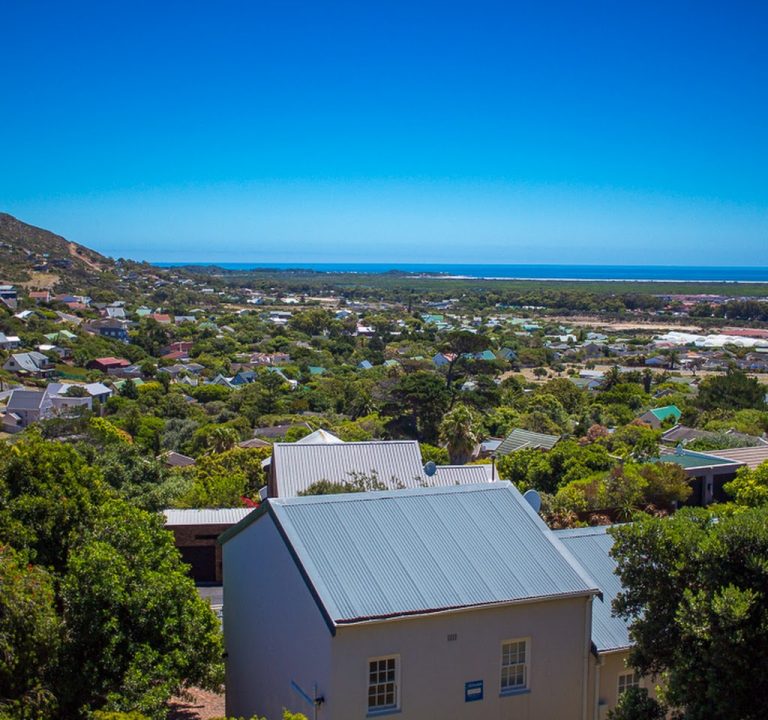
As an example of a guest house setting in Cape Town, a property such as 32 Tobago Way showcases the kind of personalised hospitality travellers seek: a comfortable home-from-home ambience, helpful local knowledge, and convenient access to multiple neighbourhoods depending on how you wish to divide your days. Whether you are there for a city break, a coastal retreat, or a launchpad for mountain adventures, a well-chosen accommodation base can greatly enhance your Cape Town experience.
Finally, while planning your itinerary, consider how you will blend structured sightseeing with relaxed, spontaneous discoveries. Cape Town rewards patience and curiosity: the best experiences often come from wandering a neighbourhood, chatting with locals, sampling regional produce at markets, and pausing at a cafe or bakery to watch the city unfold. With thoughtful planning, your stay in this extraordinary city can be as enriching as it is enjoyable.