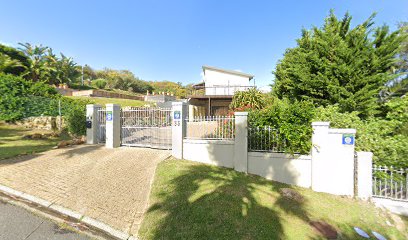
Accommodation and Experiences in Cape Town, Western Cape
Cape Town offers a diverse tapestry of places to stay, from stylish apartments in modern complexes to boutique guesthouses tucked into leafy neighbourhoods. When planning a visit, it helps to think about what kind of experience you want, how you'll get around, and what you’d like to access within walking distance or a short drive. The city’s housing options, including residential complexes and serviced apartments, can provide a comfortable home base with the convenience of on-site amenities, security, and proximity to emphasised neighbourhoods.
Areas to consider include the bustling City Bowl and the Cableway, where many city-centre apartments and guesthouses place you near iconic viewpoints, museums, markets, and an array of dining options. The Atlantic Seaboard offers coastal scenery, trendy cafés, and stylish lodgings with sea glimpses or direct access to beaches. For quieter, leafy splendour with easy access to wine estates, Constantia and nearby Hout Bay present more relaxed stays, while the V&A Waterfront combines harbour views with a hub of shops and eateries. Bo-Kaap and De Waterkant offer colourful streetscapes and convenient access to popular sights, yet can be expensive and busy at peak times. Whether you prefer a compact studio, a spacious apartment, or a small guesthouse with a personal touch, Cape Town accommodates a wide spectrum of budgets and preferences.
Typical amenities you might encounter include well-equipped kitchens or kitchenettes, free Wi‑Fi, secure parking or easy access to public transport, and flexible check-in arrangements. Some properties feature on-site gyms, pools, or outdoor spaces with city or mountain views. For families or longer stays, serviced apartments with housekeeping and laundry facilities can offer a practical balance of home comforts and hotel-style service. If you are staying in a residential complex such as Village Mews or similar developments, you may benefit from a sense of neighbourhood convenience, including nearby shops, cafés, and green spaces, while still enjoying a dedicated reception and security features.
Booking wisely means considering both the setting and transport links. The MyCiTi bus network and Uber cover most routes, while car hire can be convenient for exploring the Cape Peninsula, Stellenbosch, and other day-trip destinations. If you plan to visit popular viewpoints or beaches, selecting a lodging near your chosen base can save time. Check access to mountain trails, coastal paths, or planned walking routes if you intend to hike or cycle. Some properties may offer bicycle storage or partnerships with local operators for guided walks and tours. For visitors who value quiet nights, look for units away from heavy traffic corridors and with soundproofing features if possible.
The best time to visit Cape Town depends on what you want from the trip. Spring (September to November) brings blooming flora, milder weather, and longer daylight hours, making it ideal for outdoor exploration and coastal strolls. Autumn (March to May) offers pleasant temperatures and fewer crowds, particularly along popular routes. Winter (June to August) is cooler and wetter, yet can be a good period to find value in lodging and enjoy indoor attractions or wine country escapes. Summer (December to February) is high season, with busy beaches and bustling markets, so plan ahead if you want a specific property or a particular restaurant reservation.
When planning an itinerary, strike a balance between city sights and natural excursions. Iconic views from scenic overlooks and the cable car to the summit of Table Mountain are highlights of many trips. The nearby Cape Peninsula coastline offers dramatic scenery, while the Winelands within easy driving distance provide opportunities for day trips to estates with tastings and cuisine. Dining in Cape Town runs the gamut from seafood-focused eateries along the coast to vibrant, market-style venues and contemporary bistros. Many places emphasise fresh, seasonal ingredients and regional flavours, with menus that highlight South African produce. In terms of nightlife and casual dining, you’ll find a range of options in central districts and along the Atlantic Seaboard that suit different budgets and occasions.
Practical tips to get the most from a stay include booking flexible rates where possible, reading reviews for practical details about noise levels, lighting, and access, and confirming what is included in the price (linens, towels, cleaning frequency, and use of shared facilities). Pack adaptors suitable for South Africa’s plugs, and consider a portable charger for long days of sightseeing. Bring a light rain jacket for sudden showers, even in warmer months. If you intend to drive, check parking arrangements in advance and remember that some streets in central areas require metered or permit parking. Finally, respect local safety guidelines and fellow guests, particularly in busy or mixed-use neighbourhoods, to ensure a comfortable, enjoyable stay for everyone.
- Choose a base aligned with your priorities: easy beach access, city hotspots, wine routes, or tranquil residential streets.
- Check transport options and proximity to MyCiTi stops or major routes for day trips.
- Review cancellation policies and inclusions such as housekeeping or laundry facilities.
- Assess on-site amenities: parking, security, safe storage for valuables, and kitchen facilities.
- Consider reputable sources for reviews and asking hosts about local tips and practicalities.