Accommodation and Experiences in Cape Town: Where to Stay and What to Do
Cape Town blends natural splendour with vibrant neighbourhoods, making it a superb base for travellers seeking both relaxation and adventure. When planning a stay, consider choosing a neighbourhood that matches your pace and interests: the dramatic skyline and waterfront buzz of the City Centre and V&A Waterfront; the coastal glamour of the Atlantic Seaboard and Camps Bay; the leafy tranquillity of Constantia; or the creative hubs of Woodstock and Observatory. Each area offers a distinct rhythm, from easy access to iconic viewpoints to calmer streets with boutique stays and hidden cafés.
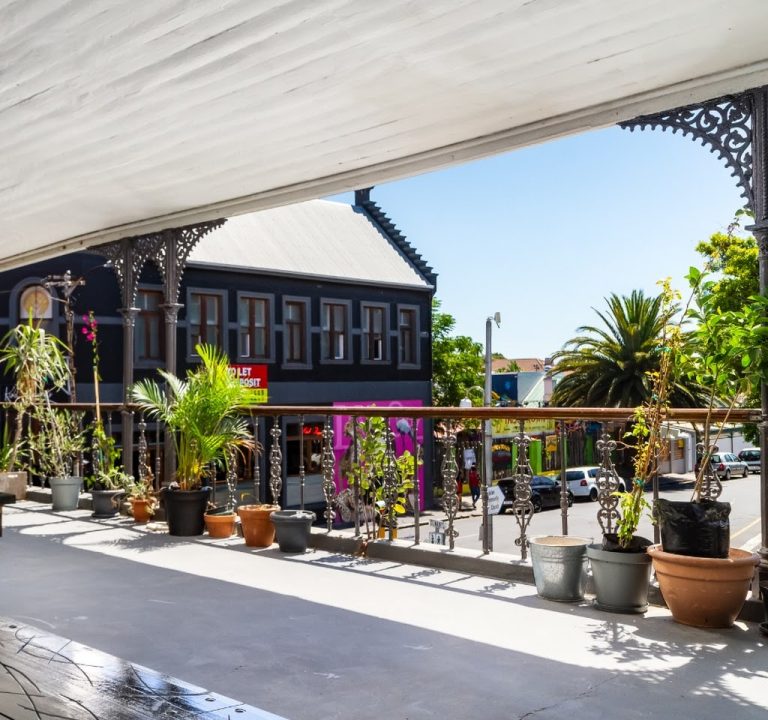
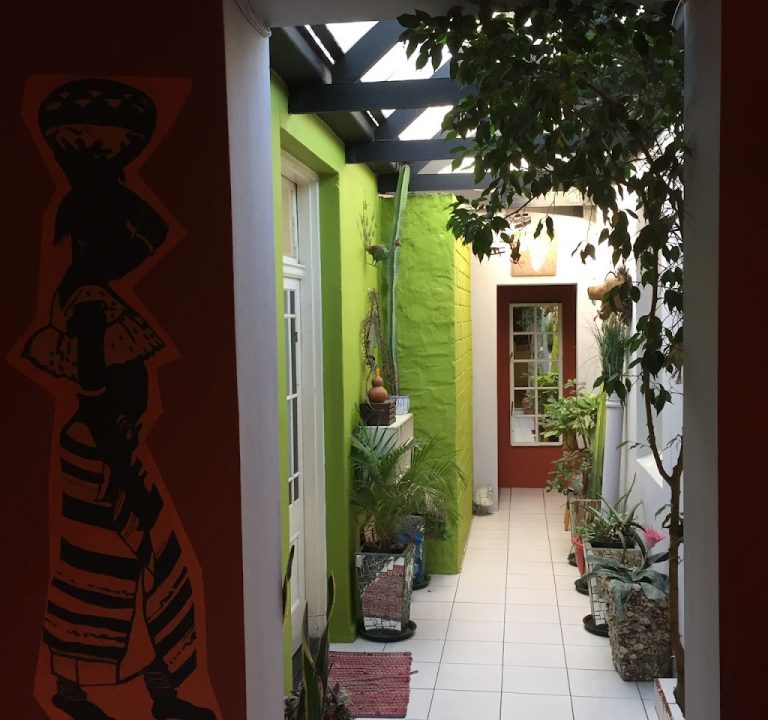
Accommodation options in Cape Town are diverse and range from boutique hotels and guesthouses to self-catering apartments and lodges. If you prefer a cosy, personal touch, family-run guesthouses or B&Bs in Green Point or Sea Point often provide friendly hosts and local tips. For modern convenience with a touch of luxury, consider chic boutique hotels in the City Bowl or along the Atlantic Seaboard. For longer stays or a scenic retreat, self-catering apartments in leafy Constantia or the winelands fringe provide space, privacy, and kitchen facilities. When booking, think about how you will move around—some areas are best explored on foot, while others benefit from car hire or reliable public transport.
Typical amenities you can expect include reliable Wi‑Fi, private ensuite bathrooms, air conditioning or fans, daily housekeeping, and coffee or tea making facilities. Many properties offer secure parking, on-site restaurants or room service, and balconies with sea or mountain views. If you’re visiting in peak season, look for properties with flexible cancellation policies and, if possible, air conditioning for warmer evenings. For families or groups, several self-catering options provide spacious living areas and fully equipped kitchens, making it easier to manage meals and schedules.
Transport in Cape Town is relatively straightforward, with a mix of public and private options. The MyCiTi bus network is a widely used route for getting between major hubs and attractions, while Uber and other ride-hailing services offer convenient door-to-door travel. If you are staying near the Atlantic Seaboard or City Bowl, many attractions are within a short drive or walk, but plan for peak tour times and seasonal traffic. If you plan to explore beyond the city limits to places like the Constantia wine route or the Cape Peninsula, a rental car can provide flexibility and freedom.
Best time to visit Cape Town depends on your priorities. The summer months (roughly October to March) bring longer days, warmer sea temperatures, and a lively outdoors scene, ideal for beaches, hiking, and open-air markets. Winter (May to August) is cooler and wetter, yet it is often when you can find quieter streets and lower rates in some parts of the city. Consider shoulder seasons for a balance of pleasant weather and fewer crowds. If you plan to hike Table Mountain or visit the nearby Cape Point, mornings tend to be cooler and clearer, with afternoon breezes building as the day progresses.
When planning activities, balance must-see attractions with time to wander and soak up the ambience. Cape Town offers natural beauty, cultural experiences, and a thriving food scene. Iconic natural highlights include a cable car trip up Table Mountain, scenic coastal walks along the Atlantic Seaboard, and easy access to Table Bay’s shoreline. For a broader sense of the region, explore gardens such as Kirstenbosch and nearby wine estates in Constantia or nearby Stellenbosch and Franschhoek as day trips. Waterfront promenades, markets, and harbour views provide easy options for relaxed afternoons, while museums and heritage sites offer insight into the city’s history and resilience.
Dining in Cape Town spans seaside casual to refined dining rooms. In coastal districts, you’ll find seafood-focused menus and light, sun-lit spaces with sea views. Within the city’s urban quarters, expect a mix of Mediterranean-inspired eateries, global flavours, and modern South African cuisine, often with seasonal menus and ingredient-led dishes. For a balanced food itinerary, combine a morning market visit with a casual lunch by the water and a dinner at a restaurant that showcases regional produce or a contemporary interpretation of Cape flavours. Check opening hours and whether venues require reservations, especially on weekends and during events.
Practical tips to make the most of your stay:
- Book accommodation in advance for peak travel periods and consider flexibility in case plans change.
- Read recent guest reviews to get a sense of consistency in upkeep, cleanliness, and staff helpfulness.
- Ask hosts or hotel staff for local safe transport options and neighbourhood walkability at night.
- Pack layers for variable weather, and bring sturdy footwear for hills and coastal paths.
- Plan day trips with a clear starting point to minimise backtracking and maximise time at sights.
Finally, consider combining your stay with a few well-timed experiences. A morning hike or cable car ride to a panoramic summit can set a magical tone for the day, followed by a waterfront stroll or a market visit. An afternoon drive along the coastal road with a stop at a vineyard or a coffee stop in a hip neighbourhood can balance nature and city life. With the right mix of stay, transport, and activities, Cape Town offers a memorable, multi-faceted destination that rewards both careful planning and spontaneous exploration. For up-to-date ideas and practical planning, see the official tourism resources and trusted travel guides.