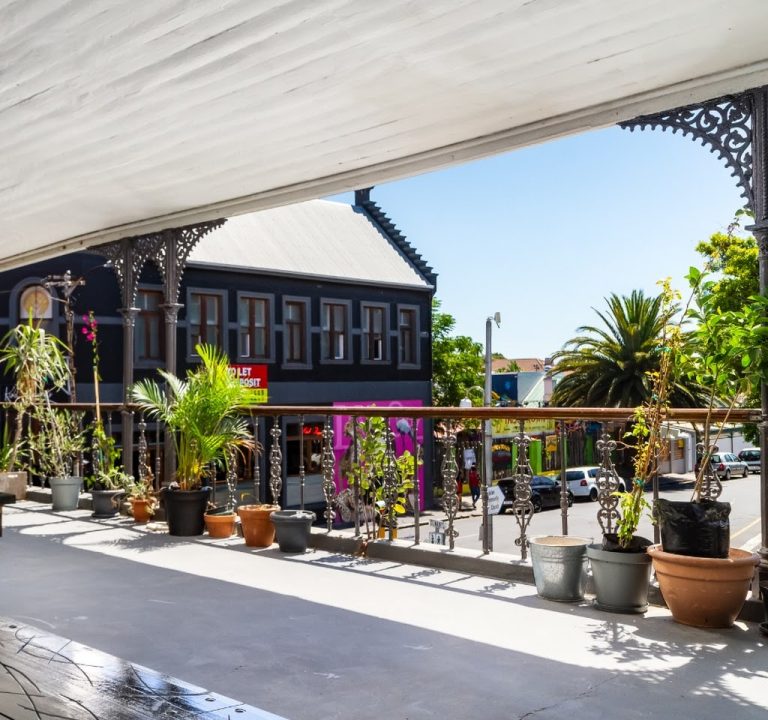
Accommodation and Getting the Most from Your Cape Town Stay
Cape Town is a diverse and vibrant hub where coast, coastline, mountains, and culture converge. When planning a stay in the Western Cape, you’ll find a wide range of options from friendly hostels and cosy guesthouses to stylish boutique hotels and self‑catering apartments. The key is to match your choice to the neighbourhood and the rhythm you want for your trip, so you can wake up ready to explore or unwind after a day of sightseeing and sun.
Neighbourhoods and areas worth considering include the City Bowl for immediate access to historic streets, markets and cafés; the Atlantic Seaboard for dramatic coastline views and beach days; and quieter parts such as Woodstock or Observatory (home to the 107 Arnold Street area you may hear of locally in student-friendly and budget-conscious stays). If you’re chasing sunsets, Camps Bay or Llandudno offer spectacular western views and a resort feel, while Constantia and the southern suburbs provide a more laid‑back, leafy backdrop with easy access to wine estates and hiking trails.
When choosing where to stay, think about what you want to be close to. If you’re here to hike, ride the cable car and explore Table Mountain, staying near the City Bowl or bustling Green Point can cut down transfer time. If beaches are your priority, the Atlantic Seaboard is the most practical choice. Consider also access to reliable public transport or convenient ridesharing options, since Cape Town’s hills and traffic can influence travel times between sights.
Accommodation types in Cape Town span a spectrum of price points and experiences. Hostels offer social atmospheres and budget‑friendly beds, often with communal kitchens and common rooms. Guesthouses provide a personalised touch with breakfast and host recommendations. Boutique hotels and well‑appointed apartments balance comfort and character, frequently with stylish interiors and practical amenities. Self‑catering options give you the freedom to cook and linger in a private space after a day exploring the city and coast.
Typical amenities to look for when booking include Wi‑Fi, room and shared bathroom arrangements, secure on‑site access, daily housekeeping, 24‑hour reception or nearby front desk, and clear policies on cancellation and changes. If you value a kitchen, ensure it is well equipped and easy to use. A private balcony or sea view can enhance a stay in coastal areas, while a pool or outdoor space is a big plus for families and groups. Accessibility features and parking arrangements are worth confirming if you are travelling with mobility needs or a car.
Transport is an essential part of planning. Cape Town has a growing public transport network, including bus routes and rail links, with ride‑hailing services widely available. If you rent a car, you’ll have the most freedom to explore the Cape Peninsula, winelands, and the nearby Cape Point. For those preferring public transit, many central properties are within easy reach of main bus routes and taxi services. Allow extra time for trips during peak hours and weekends when traffic can be heavier near popular attractions.
The best time to visit Cape Town depends on your priorities. The city enjoys a Mediterranean climate with warm summers and mild winters. Summer (roughly November to March) brings long days and peak outdoor activity, but it’s also peak tourist season, so prices can be higher and popular spots busier. Shoulder seasons—autumn and spring—often deliver pleasant temperatures, clearer skies, and calmer streets, which can be ideal for hiking, wine tastings, and city exploring. Winter offers cooler weather and occasional rain, but it can be a good time for indoor experiences, such as museums, markets and dining, often at lower accommodation rates.
Practical tips to help you plan a smooth stay:
- Book early in high season and consider flexible rates to cope with changes in travel plans.
- Read guest reviews for honest assessments of comfort, noise levels, and the real usefulness of included amenities.
- Check access to kitchens or coffee facilities if you prefer self‑catering.
- Ask about nearby supermarkets, laundries, and pharmacy options, especially if you’re travelling with family or for an extended stay.
- Clarify parking arrangements if you’re driving, and confirm any extra charges for security or cleaning.
- Explore local day trips and routes in advance—think the Cape Peninsula drive, a visit to the winelands, or a scenic hike to a viewpoint—so you can plan realistically around transport times.
- Keep an eye on weather forecasts for wind or rain, particularly if you’re heading to outdoorsy activities like the beach, cliff paths, or hiking trails.
Awell‑planned stay in Cape Town often involves balancing a comfortable home base with easy access to sights, dining, and experiences. For dining, most areas offer a mix of casual eateries and refined venues, ranging from markets and casual cafés to seafood joints and bistros. In terms of experiences, you’ll find much to do in general terms—sightseeing by day, vibrant markets and galleries, and restaurants that showcase local produce and cuisines. While specific names and prices are not listed here, planning your itinerary around dynamic neighbourhoods, scenic drives, and cultural hubs will give you a well‑rounded Cape Town visit that feels both manageable and memorable.
For planning resources, consider checking official tourism information and local neighbourhood guides. They can provide practical maps, suggested routes, and up‑to‑date tips on events and seasonal happenings. Engaging with local hostelries and guesthouses often yields insightful recommendations on the best routes, viewpoints, and eateries to complement your stay.