Exploring Cape Town: accommodation, attractions and tips for a memorable stay
Cape Town is a dynamic destination where ocean-front scenery, dramatic mountains, and vibrant neighbourhoods combine to create a diverse and inviting base for visitors. When planning a stay in the Western Cape's flagship city, it helps to think through areas that suit your style, what amenities you value, and how you’ll get around to make the most of your time. From budget-friendly guesthouses to stylish lodges and self-catering apartments, Cape Town offers options that can feel like a home away from home while you explore the region.
Areas to consider for your base include the central City Bowl and the V&A Waterfront for easy access to sights, dining, and nightlife. The Atlantic Seaboard, with its stylish coastline and scenic drives, appeals to travellers seeking elegant lodgings with sea views. Long Street and De Waterkant offer a lively atmosphere, while constant proximity to Table Mountain and renowned hiking routes can be found in the foothills of Camps Bay and the Southern Suburbs. If you’re planning longer stays or winery visits, Constantia and the nearby Southern Suburbs provide a quieter retreat with lush scenery and close proximity to wine estates and green spaces. For day trips, many visitors use Cape Town as a convenient base to explore the Cape Peninsula, the Cape Winelands, and picturesque coastal towns along the Atlantic coast.
When choosing accommodation, look for several practical features. An en-suite bathroom and reliable hot water are essential after a day of sightseeing. A comfortable bed with quality linens, effective heating or cooling, and good natural light can make a big difference. Check whether the property offers self-catering facilities if you anticipate long days out, as well as amenities such as a pantry, coffee station, or a well-equipped kitchenette. For those seeking a social touch, common areas, guest lounges, or rooftops with views can be very appealing. If you’re travelling with luggage or gear from outdoor activities, consider properties with secure storage or easy access in and out of the building.
Transport in Cape Town is robust but varies by area. The city operates a MyCiTi bus network with routes that connect major sights and neighbourhoods, while Uber and other ride-hailing services offer convenient door-to-door travel. If you’re exploring the wine route or the Cape Peninsula, a hire car can provide flexibility, though many lodging options can arrange private tours or day trips with trusted operators. Proximity to a reliable transport hub or a short walk to a MyCiTi stop can save time and effort, especially during peak travel periods or busy weekends.
The best time to visit Cape Town depends on your priorities. Summers (roughly November to March) are warm and lively, ideal for beaches and outdoor activities, but can be busy. Autumn (April and May) brings milder weather and fewer crowds, while springtime (September and October) sees colourful blooms and pleasant coastal conditions. Winter (June to August) is cooler and wetter, yet there are fewer crowds and some indoor-friendly cultural events to enjoy. Pack layers for changeable conditions and be prepared for coastal winds near the harbour and coastal plains.
As you plan, consider a balance of must-see attractions and slower, restorative moments. Iconic options include cable car or hiking routes up Table Mountain; visits to Robben Island or the historic Robben Island Museum; scenic drives along the Atlantic coast to Chapman’s Peak Drive; and exploring Kirstenbosch National Botanical Garden. For wildlife and coastline experiences, penguin viewing at Boulders Beach and penguins’ natural habitats nearby offer memorable encounters. Cultural experiences and markets around the city provide a taste of local crafts, cuisine, and music. While I won’t name every specific venue here, many visitors enjoy a combination of scenic viewpoints, harbour walks, and relaxed meals at contemporary Cape Town eateries that showcase fresh, locally sourced ingredients.
Budget-conscious travellers will find a range of options that still offer comfort and convenience. For those seeking boutique character, lodges and guesthouses often feature personalised service and intimate settings. For families or longer stays, serviced apartments with kitchens and living spaces can deliver good value. If you’d like a recommendation to align with your style, you might consider lodging that explicitly emphasises easy access to both city sights and outdoor recreation, with staff who can assist in planning day trips or arranging transport.
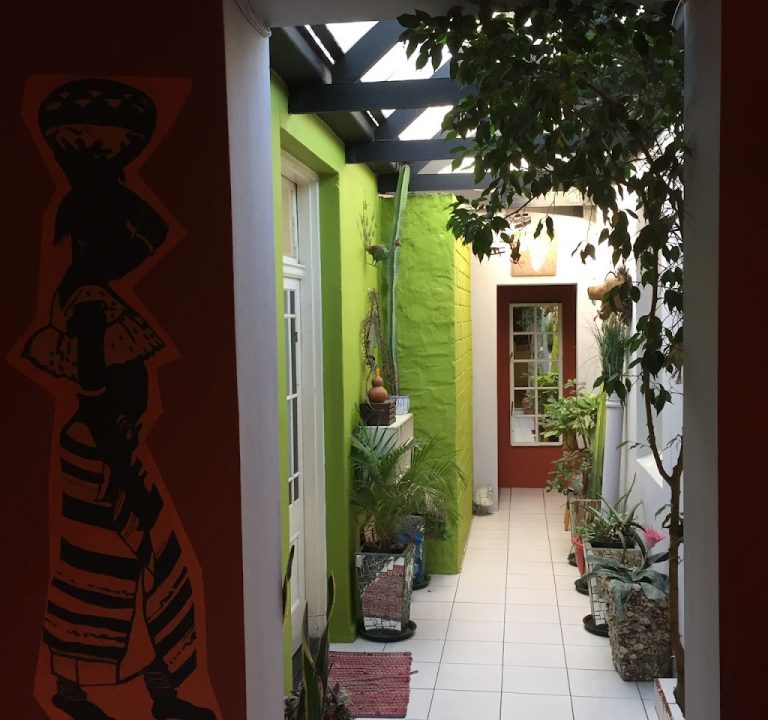
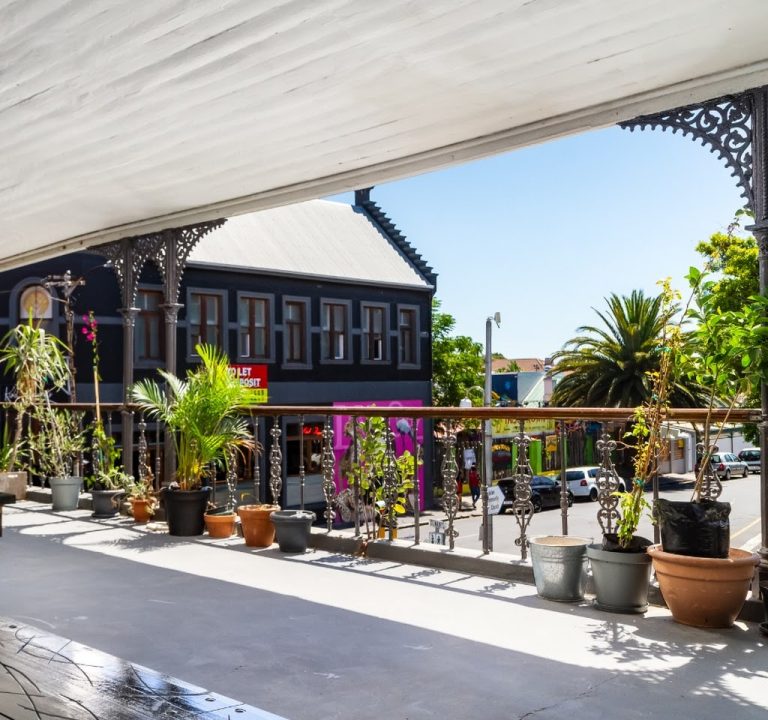
Milton Mews is a convenient lodging option for travellers seeking a comfortable base with easy access to the city’s highlights. It offers a blend of convenient amenities and a welcoming ambience, suitable for guests who appreciate a thoughtful, home-like environment during their stay. For more information, you can visit the property’s official website: Milton Mews.
To help with quick decisions, here is a compact checklist of typical amenities you might encounter:
- Free Wi‑Fi and practical workspaces
- En-suite bathrooms with reliable hot water
- Kitchenette or self-catering facilities
- Secure parking or easy access to public transport
- Air conditioning or heating for seasonal comfort
Finally, practical tips to make the most of your stay: book accommodation with a flexible cancellation policy when possible, especially if your plans might shift due to weather or events. Allocate a couple of days to settle in and choose a “home base” with good transport links to reduce daily travel time. Leave space in your itinerary for spontaneous discoveries—coastal walks, markets, and cafés often reveal the city’s most memorable moments. With careful planning, Cape Town can offer a richly rewarding blend of scenery, culture, gastronomy, and meaningful interactions with its surroundings.