Discovering Cape Town: Where to Stay, What to See, and How to Plan Your Visit
Cape Town offers a diverse tapestry of neighbourhoods, scenery and experiences that can suit every traveller. From stylish guest houses to family-run B&Bs and modern boutique hotels, there are plenty of options that balance comfort with easy access to beaches, mountains and vibrant neighbourhoods. When planning a stay, consider the area that best matches your interests, budget and pace of travel, and think about how you’ll get around to make the most of your time in one of South Africa’s most celebrated destinations.
Accommodation types in and around Cape Town range from intimate guest houses to self-contained flats and small boutique hotels. Areas such as the Atlantic Seaboard offer breezy coastal views and easy beach access, while the city centre provides proximity to museums, markets and quirky eateries. Constantia and the southern suburbs are ideal for wine lovers and families seeking a more relaxed ambience with larger grounds. For a taste of historic charm and colour, Bo-Kaap and the city’s historic precincts offer characterful stays within easy reach of major sights. When choosing a place to stay, look for clear information about the room layout, breakfast options, parking, security and accessibility for your needs.
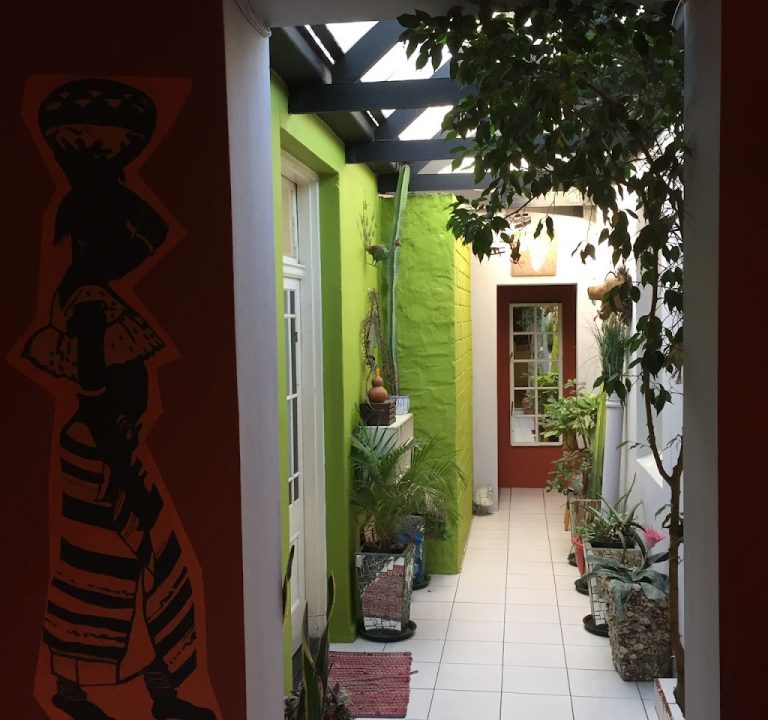
One example of a guest house you might encounter is Obsage Family Lodge, a property that emphasises a home-from-home atmosphere. Such guest houses can offer personalised service, compact common areas, and lighter schedules that suit travellers who prefer a calmer pace. While each property is different, common features you may encounter include complimentary breakfast, private or shared bathrooms, free Wi‑Fi, on-site parking, and in some cases outdoor spaces or a pool. Always check the breakfast style (self-serve, continental, or full cooked options) and whether there are any rules about shared spaces or quiet hours.
Booking considerations help you align your stay with your itinerary. If your plan includes early starts for scenic viewpoints or long days exploring, a quiet, well-appointed room with a comfortable bed and reliable Wi‑Fi becomes a practical priority. If you’ll be spending long days out and about, a central location with good access to public transport can save time. Cape Town’s MyCiTi bus network and ride-hailing services offer flexible options for getting around, while some neighbourhoods are walkable and bike-friendly. If you’re renting a car, confirm parking availability and access to nearby petrol stations or amenities. For travellers with families, look for family rooms or suites, child-friendly amenities, and safe, well-lit streets in the evening.
Best time to visit Cape Town depends on your priorities. The summer months (roughly November to March) bring warmer sea temperatures and longer daylight, ideal for beach days and outdoor activities. Shoulder seasons in spring (September to November) and autumn (March to May) often offer pleasant weather with fewer crowds, which can be ideal for those who want to explore popular sights with slightly more breathing room. Winter (June to August) is cooler and wetter but can still be a good period for city culture and wine routes, provided you pack layers. Always check the local weather forecast and plan for sudden changes, particularly in the mountains or coastal areas where conditions can shift quickly.
Transport planning is a practical part of your itinerary. In addition to the MyCiTi network and ride-hailing apps, many Cape Town attractions are walkable from central stays, and some hotels and guest houses can arrange transfers or provide guidance on reputable local operators for tours and activities. When budgeting for your trip, allocate funds for entrance fees to parks and museums, as well as potential costs for guided tours or boat trips to spots such as Robben Island or the Cape Peninsula. For those who enjoy seafood and fresh produce, Cape Town’s dining scene spans informal markets, coastal bistros and fine dining experiences, with many places offering views that complement the day’s sightseeing. Dining options range from casual coffee shops and cafés to dedicated seafood restaurants and modern eateries that showcase the city’s cultural influences.
Practical tips to help you maximise your stay:
- Choose accommodation with secure access and clear information about parking or transport options.
- Pack layers to adapt to changing coastal and mountain conditions.
- Plan morning visits to popular viewpoints to avoid crowds, especially at tables and viewpoints around Table Mountain and the city’s beaches.
- Respect local regulations and be mindful of water use and sustainability considerations in shared spaces.
- Keep a flexible schedule to accommodate weather, traffic, and spontaneous discoveries at markets and neighbourhoods.
Beyond the room and bed, think about experiences that complement your stay. Scenic drives along the Atlantic coast, visits to Kirstenbosch Botanical Garden, or wandering the V&A Waterfront area can balance nature, culture and shopping. For a flavourful taste of the region, look for guided tastings or small-group tours that focus on wine routes in nearby Constantia and Stellenbosch, and consider a day trip to Cape Point for dramatic coastal scenery. Cape Town’s restaurant scene ranges from relaxed seafood joints to elegant establishments offering contemporary cuisine inspired by the Cape’s diverse influences, with many venues providing seasonal menus and views over the harbour or Table Mountain. For travellers seeking a gentle start or a quieter end to the day, a stroll along the promenade or a sunset dip in a sheltered beach cove can be the perfect finish to a day of exploring.
When you’re ready to book, you can visit the guest house website for Obsage Lodge at http://obsagelodge.yolasite.com/ to learn more about the property and its location. Remember that your choice of accommodation is not only about the room, but also about the access it provides to a city that’s alive with scenery, culture and hospitality at every turn.