African Heart Backpackers is a Student housing center establishment in Cape Town, Western Cape, South Africa
About African Heart Backpackers, Observatory, Cape Town
Situated in the vibrant Observatory neighbourhood of Cape Town, African Heart Backpackers presents a practical and affordable option for travellers seeking long-term accommodation. Described as a “home away from home”, the establishment focuses on providing accessible stays with free internet access, making it a reliable base for guests who need to balance exploration with study, work, or academic commitments.
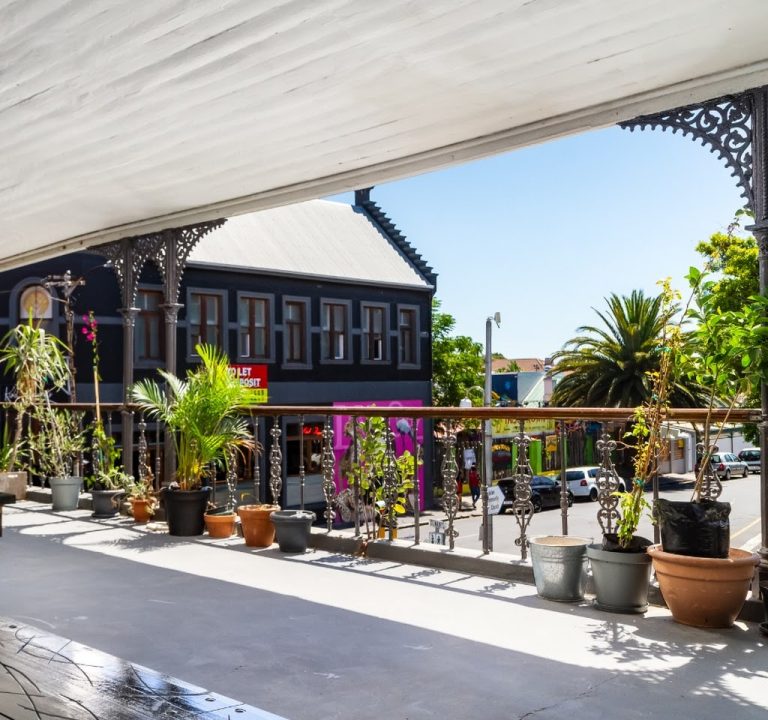
The setting itself is a defining feature. Observatory is depicted as a bohemian, creatively charged district that sits beneath the iconic Table Mountain, offering an atmosphere rich in cafés, bars and restaurants. This cultural centre of Cape Town attracts a mix of locals and visitors, and the location is highlighted for its easy connectivity to central Cape Town. Whether arriving by car, train, bus or taxi, guests can expect convenient access to the city’s core while enjoying the surrounding artistic energy and a laid-back, student-focused vibe.
African Heart Backpackers positions itself as particularly suitable for long stays, including students and budget-conscious travellers who appreciate an uncomplicated, sociable environment. The emphasis on affordable long-term accommodation signals a practical approach to lodging, with communications focused on making stays comfortable and predictable for those who need reliable internet and a straightforward daily routine.
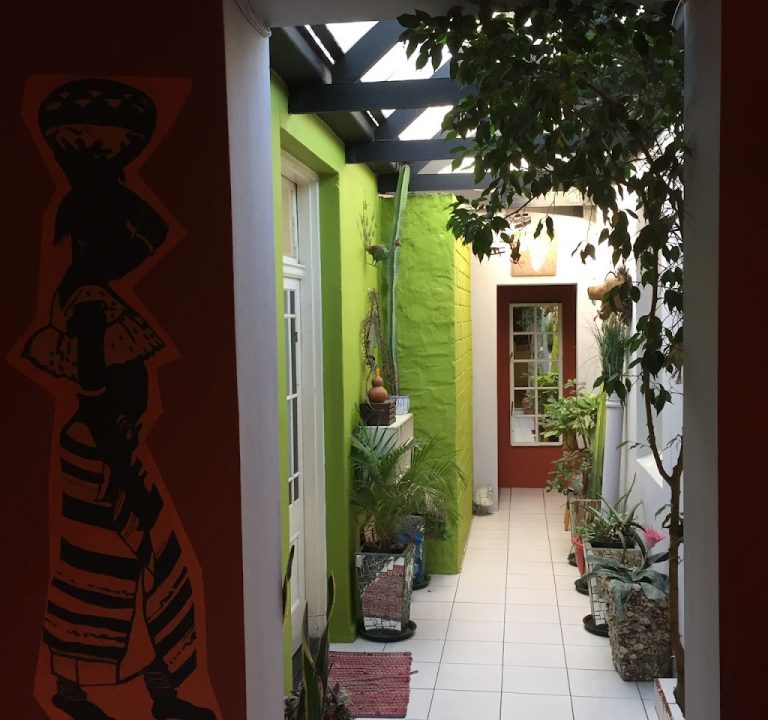
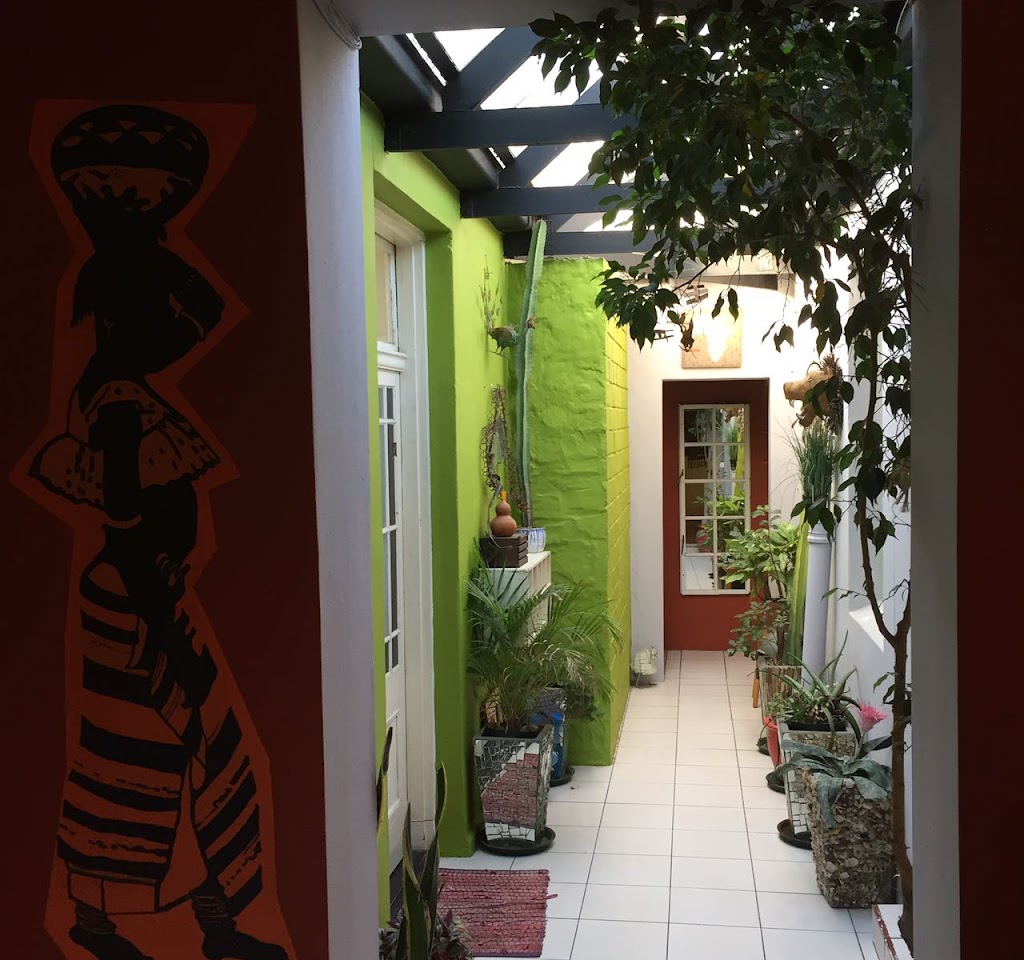
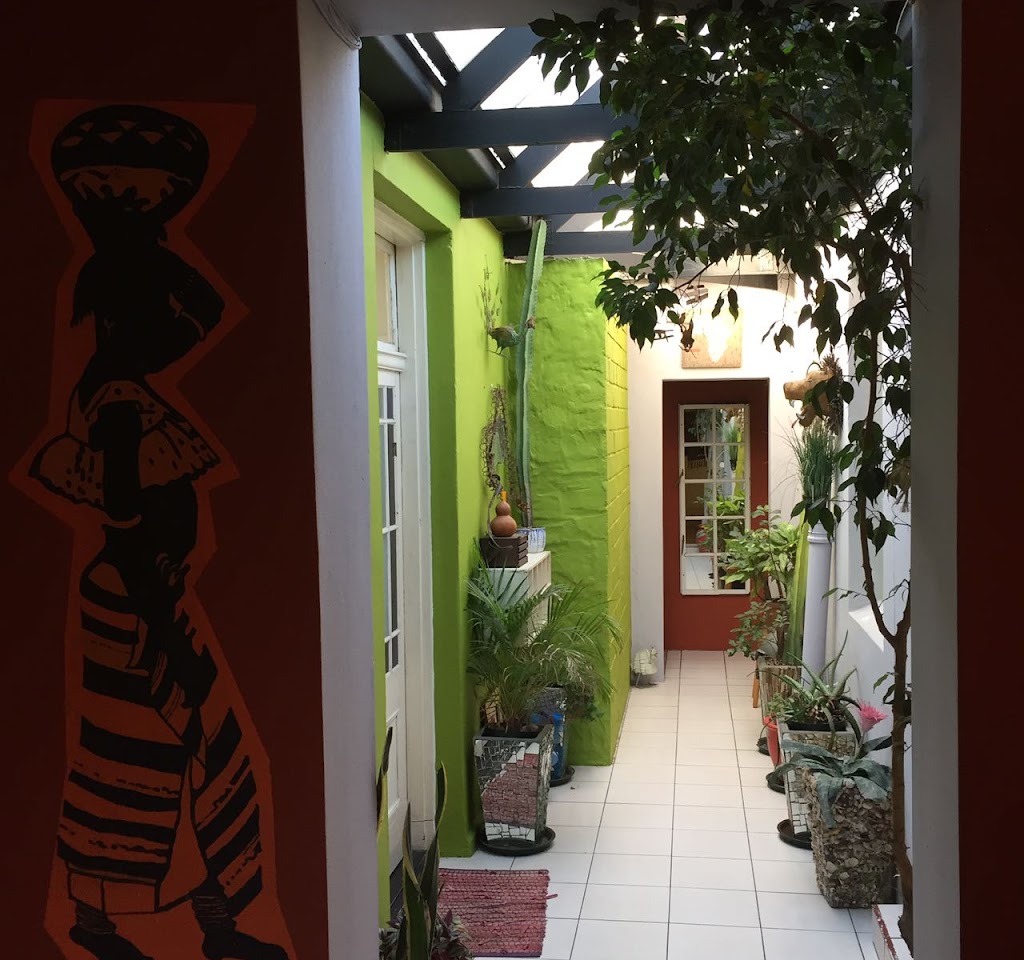
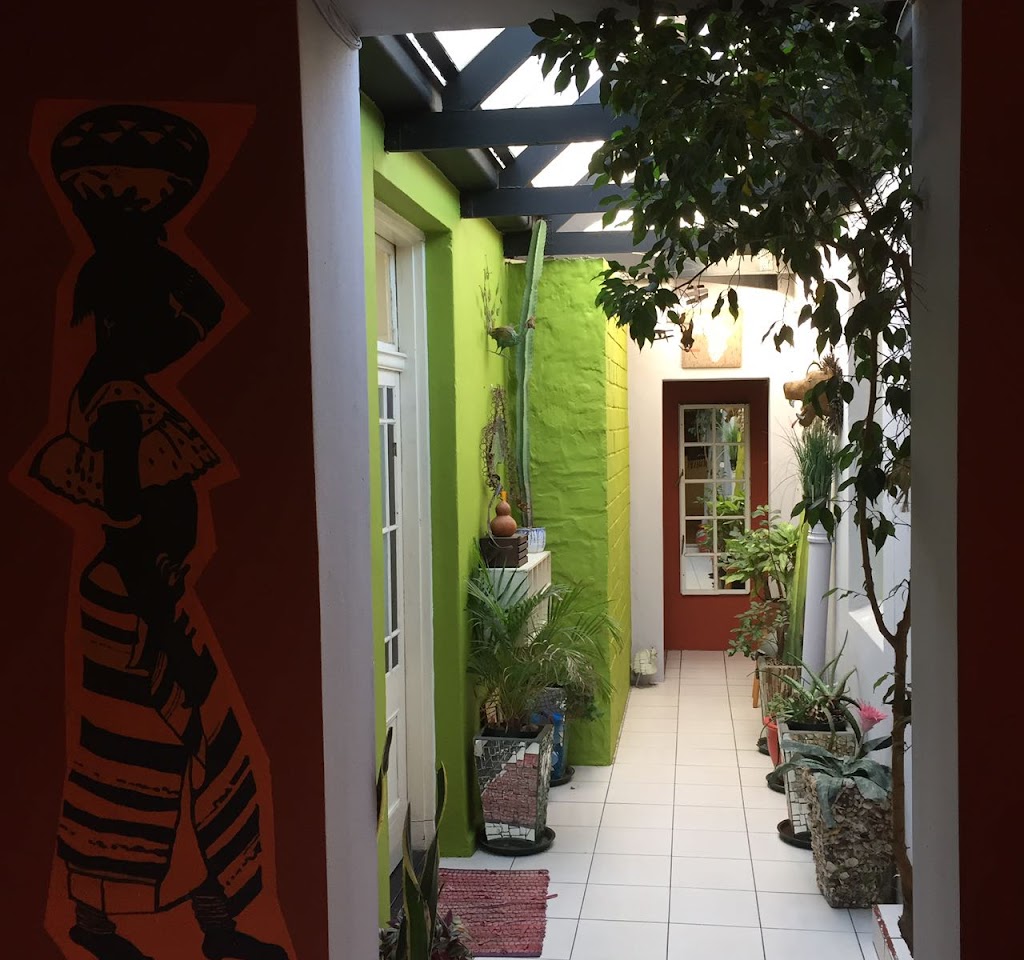
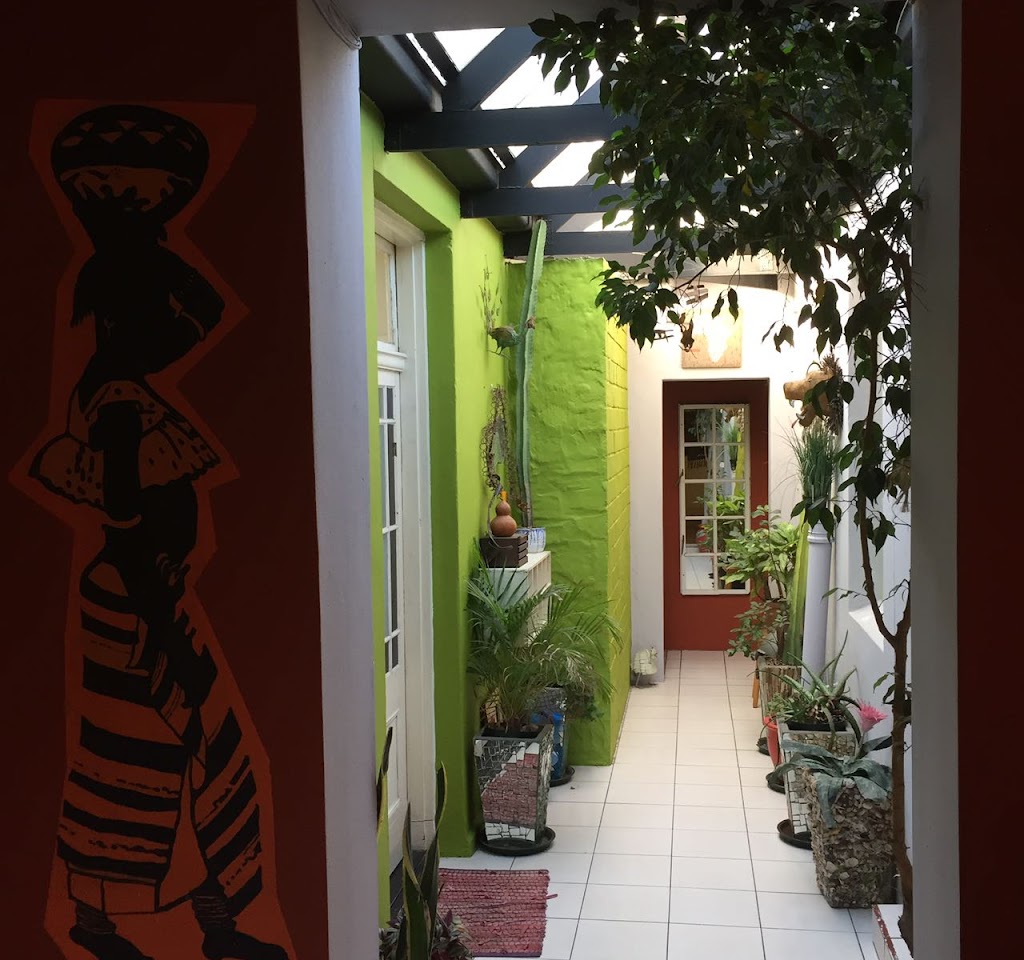
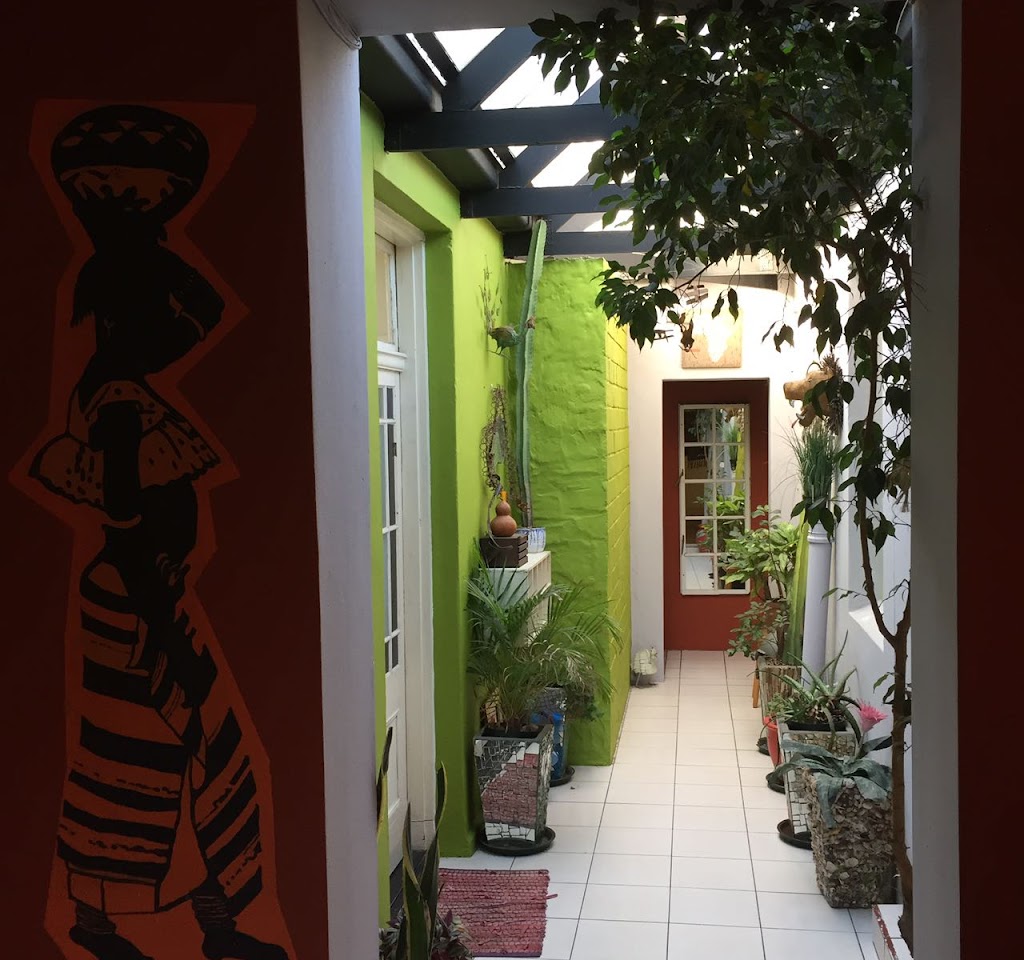
In terms of on-site features, the facility is represented as offering shared spaces that cater to daily life and social interaction. While specific room configurations are not detailed in the accessible content, the presence of areas such as a kitchen and a lounge hints at a communal, self-catering setup where guests can prepare meals and relax in a friendly, informal setting. The visual and textual cues suggest a straightforward, studenthouse atmosphere that prioritises practicality and community over luxury.
Proximity to notable landmarks and services further enhances the appeal for visitors with particular needs or routines. The property is located near Groote Schuur Hospital and UCT Private Hospital, making it a sensible choice for professionals, students, or patients and their families requiring convenient access to medical facilities within walking distance or a short journey. This practical advantage is complemented by the neighbourhood’s diverse café culture, providing ample opportunities to fuel mornings and unwind after a day of study or exploration.
For those who value connection and convenience, the listing underlines the ease of reaching central Cape Town from Observatory. A short journey into the city centre is described as easily achievable by car, train, bus, or taxi. This balance between a relaxed, creative neighbourhood and straightforward access to urban amenities makes African Heart Backpackers a flexible base for a range of itineraries—from academic study stints to extended city breaks.
Nearby highlights are framed through the lens of immediate surroundings rather than exhaustive sightseeing. The emphasis is on local life—cafés, restaurants and the distinctive Observatory atmosphere—contributing to an experience that blends affordability with a sense of community and place. For travellers who appreciate a more grounded, resident-focused introduction to Cape Town, the neighbourhood offers an opportunity to observe daily rhythms as well as occasional neighbourhood events and gatherings common to student and creative communities.
Booking and planning tips can be gleaned from the site’s practical orientation. Prospective guests are encouraged to explore the “nearby” options for restaurants to sample local flavours without straying far from home. The website invites interested travellers to get in touch for more information, indicating a personal, approachable channel for inquiries and arrangements. For those compiling a budget-conscious itinerary, the emphasis on affordable long-term stays paired with free internet access provides a clear value proposition—particularly for extended visits where reliable connectivity is a priority.
In sum, African Heart Backpackers presents a straightforward, community-minded option in a culturally rich corner of Cape Town. It offers a practical lodgings solution for students, researchers, or backpackers seeking a budget-friendly base near hospitals and a lively, creative district. With its emphasis on long-term affordability, free connectivity, and the chance to live in a true Observatory setting, it stands as an approachable gateway to both study and South African city life. Additional details regarding individual room types, facilities, policies or pricing are available through the site’s main pages and contact points.
Cape Town
Western Cape
7925
South Africa
Accommodating Cape Town: Where to stay and how to plan your visit
Cape Town is a city of contrasts, with extraordinary scenery, vibrant neighbourhoods and a calendar full of outdoor activity. When planning a stay in the Western Cape, think beyond a single hotel room and consider what makes a location convenient for your itinerary, budget and style. From student housing in bohemian districts to boutique guesthouses near the seafront, there are options to suit a range of travellers. A well-chosen base can shorten travel times, save money and open up possibilities for exploring the city and the surrounding regions.
One central decision is the area. The central city offers quick access to iconic sights, restaurants and nightlife, but some visitors prefer residential pockets where mornings feel calmer and transport links are straightforward. Coastal pockets provide sea views and easy access to beaches, while winelands towns offer day-trip rhythm without long drives. When you’re selecting a base, consider your preferred pace, how you’ll get around (walking, cycling, public transport or car hire), and which sights you want to prioritise. In Cape Town, a blend of walking distance to eateries, reliable transport links, and a sense of neighbourhood character often leads to the best stay experiences.
Accommodation types to consider include hostels and student housing for budget-conscious travellers, guesthouses with intimate service, and boutique hotels that offer a bit more privacy and local colour. If you are visiting for an extended stay, look for features such as free or affordable Wi‑Fi, communal kitchens or common rooms, secure access, and on-site laundry facilities. Fitness or wellness spaces, bike storage, and recommendations for safe routes can also be beneficial, particularly if you plan to spend long days outdoors.
Typical amenities to look for include a comfortable bed, clean en-suite or shared bathroom arrangements, secure lockers or safes, and a well-equipped kitchen if you value self-catering. In addition, reliable hot water, good lighting, quiet corners for work or study, and a friendly reception or on-site staff who can share local tips can greatly improve the stay. If you’re travelling with friends or colleagues, check group-friendly options such as multiple-beds dorms or suite configurations. Accessibility features, where needed, are worth confirming in advance.
Transport is a key planning element in Cape Town. The city has a mix of compact, easy-to-navigate routes and longer distances between major sights. Public transport options include rail, bus services and ride-hailing, while car hire or organised tours can help you reach the Cape Peninsula, the Winelands, and other day-trip destinations. When staying in Observatory or other inner-city areas, it’s common to be within walking distance of cafés and bars, with frequent taxis or rides to the waterfront or Table Mountain cableway. If you’ll rely on public transport, check the proximity of your accommodation to stations or bus stops and the frequency of services during your stay.
The best time to visit Cape Town depends on what you want from the trip. The summer season (roughly November to February) brings longer days, warmer seas, and excellent conditions for outdoor activities such as walking Table Mountain or taking the cable car. Autumn and spring offer milder temperatures and fewer crowds, while winter (June to August) can be cooler and rainier, but is still suitable for city exploring and dining out. If you plan a coastal or outdoor itinerary, packing layers and a light rain jacket is sensible across seasons. For wine lovers, day trips to the nearby Winelands can be enjoyed year-round, with the countryside stunning in late summer and autumn harvest periods.
In terms of experiences, Cape Town offers a broad palette without tying you to a fixed itinerary. You can stroll along the Victoria & Alfred Waterfront and explore markets, galleries and casual eateries, take a scenic drive along the Atlantic Seaboard, or ride up to the summit of Table Mountain or the slopes of Signal Hill for city views. Cultural experiences span history, art, and neighbourhood food scenes, with opportunities to sample diverse cuisines and regional specialties in friendly, informal settings. For a taste of daily life in Cape Town, wandering through historic districts and neighbourhoods such as bohemian precincts can be as rewarding as the big-name sights.
Practical tips to help you plan a smoother stay:
- Book flexible options where possible, especially if your dates or plans may shift.
- Choose accommodation with clear safety information, good access to reputable transport links, and recommended local amenities nearby.
- Check for communal spaces that encourage socialising if you’re travelling solo or with a group.
- Verify kitchen facilities if you plan self-catering, and ask about laundry services or facilities.
- Look for guest reviews that mention cleanliness, quiet hours, and responsive managers or hosts.
For travellers who want a practical handle on stays in Observatory and its surrounding neighbourhoods, a range of affordable options exists that emphasise convenience and social atmosphere. Observatory is known for its creative vibe, coffee shops, and easy access to major hospitals, universities and the city centre. It can be a solid base for visitors who want to experience Cape Town’s urban character while keeping daily routines manageable. In planning a stay, consider how the location aligns with your daily plan, whether you prioritise proximity to sights, access to eateries, or a particular neighbourhood ambience. For more information about accommodation and nearby facilities, visitors often consult local guides and accommodation providers that offer practical insights and up-to-date recommendations.
If you are exploring specific options such as African Heart Backpackers, you can find more details and planning suggestions through their official site, which can help support your research into suitable long-stay options in the area. For additional inspiration about what Cape Town has to offer, you might review general visitor guides that describe nearby attractions and dining scenes in broad terms, allowing you to tailor your stay to your interests and pace.
Sorry, no records were found. Please adjust your search criteria and try again.
Sorry, unable to load the Maps API.
Why Claim Your Listing?
Claiming your listing on the B&B Finder directory website is a valuable opportunity for business owners. Here are five reasons why you should consider claiming your listings:
Control Over Business Information: By claiming their listing, business owners can ensure that all the information presented is accurate and up-to-date. This includes details such as contact information, address, pricing, and available services or amenities. Accurate information helps prevent customer confusion and improves overall satisfaction.
Enhance the Listing: Once a listing is claimed, owners can enhance it by adding more comprehensive information and rich media, like high-quality photos and videos. These additions can make the listing more attractive and engaging to potential customers, thereby increasing the likelihood of bookings.
Marketing Opportunities: Claiming a listing can also open up additional marketing opportunities. Owners may be able to participate in promotional campaigns, special offers, and other marketing activities organized by the directory. This can increase visibility and attract more customers to the business.