Cape Town: Where to stay, eat and explore in the Western Cape
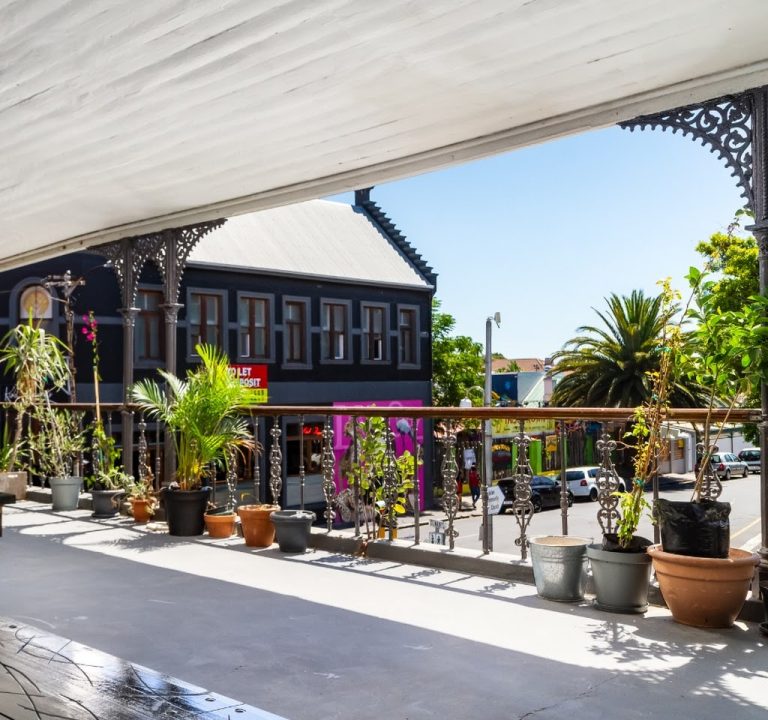
Cape Town offers a rich mix of accommodation styles, from harbour-side boutique hotels and modern apartments to friendly hostels that welcome travellers. When planning a stay, it helps to think about what you want from your visit: easy access to the city centre for dining and nightlife, a scenic base near the coast, or a quieter neighbourhood with leafy streets and local charm. The city’s diverse pockets each bring a different flavour, so selecting a neighbourhood early on can shape your entire trip.
Popular areas include the V&A Waterfront and the Foreshore for easy access to exhibitions, cruises, and iconic views of Table Mountain; the City Bowl for cultural vibrancy, walkable streets, and easy transfers to attractions; Green Point and Sea Point for seaside walks, parks, and convivial cafe culture; Camps Bay for golden beaches and stylish dining; and Woodstock or Observatory for a more bohemian, up-and-coming vibe. Each area has a mix of stays ranging from hostels and guesthouses to guest‑facing boutique properties and mid-range hotels. For families or longer visits, a serviced apartment can provide the comforts of home with the convenience of hotel services.
When booking, consider the following typical amenities and what they mean for your stay: reliable Wi‑Fi (essential for planning days and staying connected), self-catering facilities if you prefer cooking certain meals, on-site breakfast or meals for convenience, secure parking or easy access to public transport, air conditioning or heating for Cape Town’s varied seasons, and communal spaces where you can meet other travellers. If you are splashing out, look for properties with terrace or rooftop views, a pool for downtime between excursions, or proximity to transport hubs to reduce travel time around the city.
Getting around Cape Town is straightforward but can vary by area. The MyCiTi bus network is a convenient option in the city centre and Atlantic Seaboard, with routes linking major sights and transport hubs. Uber and other ride-hailing services are widely available and often the simplest way to reach further-flung spots such as Constantia or the Cape Peninsula. If you’re exploring with a rental car, plan parking in advance—street parking can be limited in busy areas, and some streets are better navigated in daylight. The Table Mountain Cableway, Chapman’s Peak Drive, and the wine routes to Constantia and Stellenbosch are popular day trips, typically best arranged with a local guide or travel-informed plan to maximise time and minimise winding routes in busy traffic.
The best time to visit Cape Town depends on what you want from your trip. Late spring (October and November) brings blooming gardens and mild weather, while summer (December to February) offers long days and city beaches that are ideal for outdoor activities. Autumn (March and April) can be pleasantly calm, with fewer crowds, and winter (June to August) brings cooler days and the possibility of rain, which can be perfect for museum visits and coastal walks in milder conditions. Weather can change quickly, so a light layer is a sensible inclusion in any packing list.
For food lovers, Cape Town’s dining scene ranges from casual eateries to sophisticated restaurants with spectacular views. Expect seafood-focused menus, modern South African cuisine, and global influences in neighbourhood eateries. Many places offer seasonal menus and tasting menus, while neighbourhood cafés and markets provide opportunities to try coffee, pastries, and street-food-inspired dishes. For a well-rounded experience, combine a couple of restaurant visits with cultural stops—galleries, markets, and local music venues—to get a sense of the city’s creative energy.
When you’re planning an itinerary, balance nature and culture with downtime. A visit to iconic Table Mountain or the plateau‑edge viewpoints is rewarding, but equally enjoyable are strolls through Kirstenbosch National Botanical Garden, the Company's Garden in the city centre, and the vibrant street scenes of Bo-Kaap. Robben Island and the historic districts offer meaningful insights into Cape Town’s layered past, and a scenic drive to Cape Point or the Cape Winelands invites a relaxed day of landscapes and wine-tasting.
Practical tips to help you book and enjoy your stay:
- Decide your base based on priorities—city access, beaches, or tranquil surroundings—and read recent guest reviews for current conditions.
- Check cancellation policies and whether the property offers flexible rates during shoulder seasons.
- Look for properties with clear transport access or parking arrangements, especially if you plan day trips outside the city.
- Assess the size and layout of your room if you are travelling with companions or family; some hostels offer private rooms with shared facilities for budget-friendly comfort.
- Consider travel insurance that covers flight delays, cancelled bookings, and medical needs during your stay.
Cape Town’s accommodation scene is well-attuned to travellers who want value, comfort, and a sense of place. By choosing the right neighbourhood, verifying essential amenities, and planning transport in advance, you can tailor a stay that blends outdoor adventures with memorable dining and cultural experiences. Whether you’re lingering near the waterfront, wandering the city lanes, or venturing to the surrounding winelands, Cape Town rewards curious travellers with landscapes, flavours, and experiences that linger long after your departure.